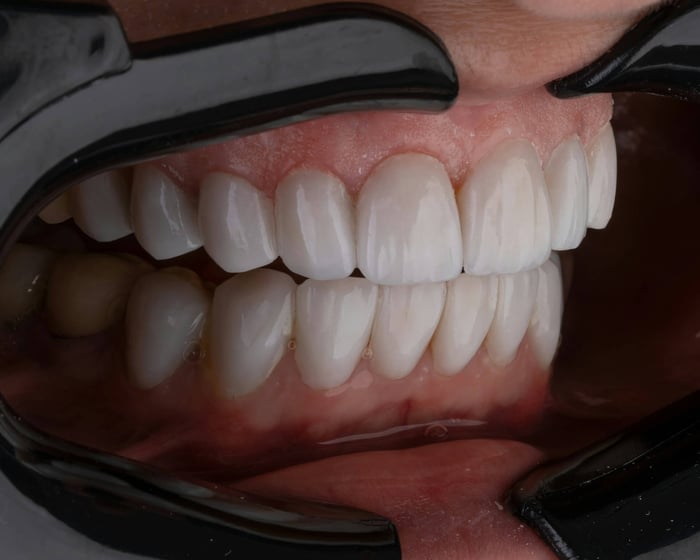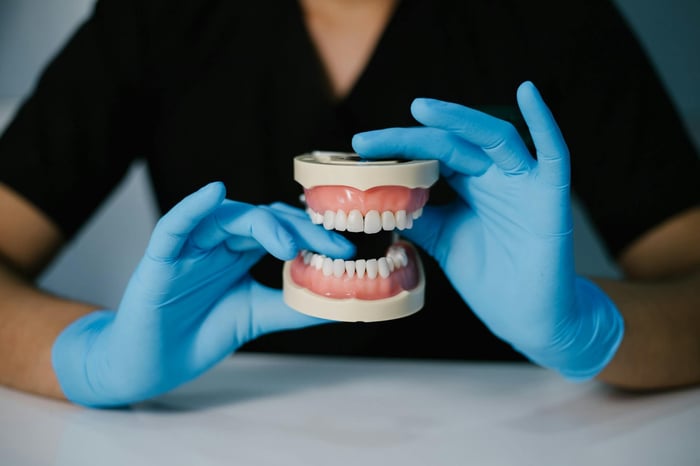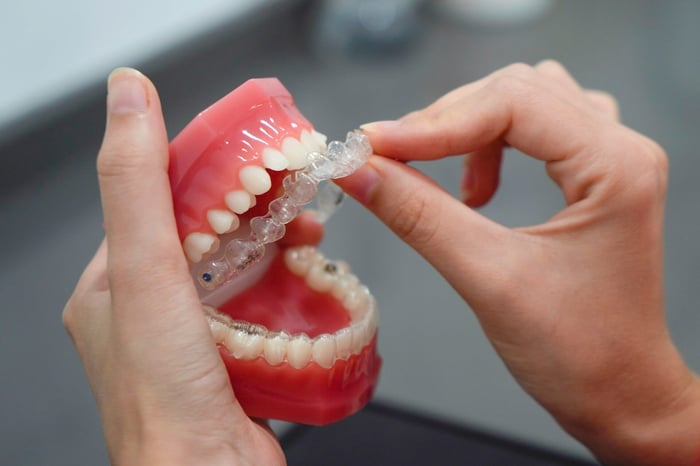
Caring for new dental implants helps protect your investment and supports a strong, healthy smile. With good daily habits, you can keep the tissues around your implants clean and stable while reducing the chance of irritation or infection. Consistent care also helps your implants feel comfortable as they heal and integrate.
At Care Dental Center, we support patients with modern tools and gentle guidance to make implant care clear and manageable. Proper brushing, flossing, and routine check-ups help your implants function well and blend naturally with your smile.
In this guide, you’ll learn the essential habits that protect new implants, how to manage the healing period, and what signs to watch for. These care tips help you maintain stability, prevent complications, and enjoy confident results for years.
Essential Daily Care for New Dental Implants
Daily care helps your dental implants last longer and keeps your mouth healthy. Proper brushing, flossing, and the right products all protect your implant and gums.
How Inflammation Impacts Implant Health
Inflammation around an implant can develop when plaque is not removed well, and early signs often begin at the gums. Mild redness or swelling may progress if bacteria continue to accumulate along the implant surface.
According to the Centers for Disease Control and Prevention, gum inflammation increases the risk of infection and can affect the stability of nearby tissues. Keeping your implant area clean each day helps slow bacteria growth and protects healing tissues.
Brushing Techniques for Implants
Brush your implants gently twice a day using a soft-bristle toothbrush. Use small circular motions around the implant area to remove plaque without harming the gum tissue. Avoid hard scrubbing, which can irritate the gums or damage the implant surface.
An electric toothbrush with a pressure sensor helps you avoid brushing too hard. Clean all sides of the implant, especially near the gum line, where bacteria gather. Rinse your mouth after brushing to clear away loosened debris.
Flossing Around Implant Sites
Floss daily to keep the space around your implant free from plaque and food particles. Use implant-friendly floss like PTFE or floss with a stiffened end to gently slide under the implant crown.
Avoid snapping the floss down hard; instead, guide it carefully between your gum and the implant surface to prevent damage.
If regular floss feels tricky, try a water flosser or special interdental brushes designed for implants. These tools clean around the implant without causing harm. Your dentist can show you which option fits your needs best.
Choosing the Right Oral Care Products
Select a toothpaste made for sensitive teeth or one free of harsh abrasives. Avoid whitening toothpastes and powders, as they might scratch the implant surface or irritate your gums.
Mouthwash with antibacterial properties can help reduce bacteria, but should not contain alcohol, since it may dry out your mouth and cause discomfort. Look for alcohol-free formulas to keep your tissues healthy.
Using the right tools supports a gentle and effective cleaning process every day.
Foods and Habits to Support Implant Health
Eating the right foods and following good habits helps your dental implants heal and last longer. Focus on soft, nutritious foods first, avoid items that can harm implants, and be careful about how you chew and bite.
What to Eat After Dental Implant Placement
Right after your implant surgery, stick to soft foods like mashed potatoes, yogurt, scrambled eggs, and smoothies. These are gentle on your healing gums and won’t put pressure on the implant area.
Avoid hot foods and drinks for the first few days, as they can cause irritation. Cold items like ice cream can help reduce swelling. Stay hydrated by drinking plenty of water. Proper nutrition supports healing, so foods rich in vitamins C and D, calcium, and protein are helpful.
Foods and Drinks to Avoid
For several weeks, avoid hard, crunchy, or sticky foods like nuts, chips, popcorn, and chewy candy. These can loosen or damage your implants.
Stay away from acidic drinks such as soda and fruit juices because they can irritate your gums and wear down implant surfaces. Limit alcohol and smoking since both slow down healing and increase the risk of complications.
Chewing and Biting Precautions
Use the side of your mouth opposite the implant to chew until your dentist says it’s safe to use the implant side. This helps protect the implant from too much force early on. Biting down on very hard things like ice cubes or pens can damage implants, so avoid those habits.
Chew food slowly and carefully. Over time, your implants should feel natural, but gentle handling is key in the weeks after surgery to ensure the best healing.
Recognizing and Preventing Common Implant Issues
Taking care of new dental implants means watching for early signs of trouble and using simple steps to avoid infection and pain. Knowing what to look for helps you get help early and keep your implants healthy.
Signs of Potential Implant Problems
Watch for redness, persistent pain, or swelling near your implant. These can mean irritation or infection. If your implant feels loose or moves, contact your dentist right away, as implants should stay firm.
Bleeding that doesn't stop after a day or pus near the implant are warning signs. Changes in how your bite feels or discomfort when chewing should also be checked by professionals.
Tips to Prevent Infections
To prevent infection, clean around your implant gently but thoroughly. Use a soft-bristle toothbrush and avoid hard scrubbing. Floss daily with floss designed for implants or use an interdental brush.
Rinse your mouth with an antibacterial mouthwash if your dentist recommends it. Avoid smoking, as it slows healing and raises infection risk. Drink plenty of water to help keep your mouth clean.
Managing Swelling and Discomfort
Swelling and mild discomfort are normal after getting implants. Use a cold compress wrapped in a cloth on your cheek for 15 minutes at a time. This helps reduce swelling and eases pain.
Take any pain medicine your dentist suggests. Avoid hot foods or drinks in the first days after surgery. Rest and keep your head elevated when you sleep to reduce swelling. If discomfort worsens or lasts more than a few days, contact your dentist for advice.
Professional Care and Long-Term Maintenance
Taking care of your dental implants goes beyond daily brushing and flossing. Regular visits to your dentist help keep your implants healthy and lasting for years. You’ll also need professional cleanings and check-ups to watch for any early signs of trouble.
Importance of Regular Dental Check-Ups
Schedule dental check-ups at least twice a year after getting implants. These visits let your dentist spot problems like gum inflammation or bone loss before they get worse. Your dentist will check how well your implant is fitting and functioning in your mouth.
If you notice any discomfort, swelling, or changes in how your implant feels, make an appointment right away. Early care helps avoid more complex treatments later.
Professional Cleanings for Implants
Even though implants don’t get cavities, plaque and tartar can still build up around them. Cleaning around implants requires special tools and techniques to avoid scratching the surface or harming your gums. Your dental hygienist will gently remove buildup that you can’t reach at home.
Regular professional cleanings help prevent gum disease, which is a leading cause of implant failure. These cleanings keep your implants and surrounding tissues healthy by reducing bacteria and inflammation.
Monitoring Implant Stability
Your dentist will carefully check the stability of your implant during each visit. This means making sure the implant is securely attached to the bone and that there’s no movement. They may use X-rays to see the bone level around the implant.
If the implant feels loose or shows signs of bone loss, your dentist can act quickly to treat the issue. Staying on top of this with regular monitoring protects your investment and your smile for the long term.
Lifestyle Adjustments for Lasting Implant Success
Taking care of your new dental implants means making some changes to your daily habits. These steps help your implants stay healthy and work well for many years. Key areas include avoiding tobacco, managing health conditions, and knowing how to care for your implants during travel.
Avoiding Tobacco Products
Tobacco slows down healing and can cause inflammation around your implant. Smoking or using chewing tobacco increases your chances of implant failure. If you want your implant to last, quitting tobacco is one of the most important steps.
Nicotine reduces blood flow to your gums, making it harder for your implants to bond with your bone. It can also lead to gum disease, which risks implant health. Avoiding tobacco products helps keep your mouth cleaner and makes it easier to maintain good oral hygiene around your implants.
Managing Medical Conditions
Certain health issues, like diabetes, can impact how well your implants heal. If you have diabetes, keeping your blood sugar under control helps your body heal faster and reduces infection risks. Share your health details with your dentist.
Medications that affect your immune system may also influence implant success. Talk with both your doctor and dentist to understand any risks and get advice tailored to your needs. Regular check-ups are especially important if you have medical conditions.
Travel and Implant Care Tips
Traveling requires extra care to keep your implants clean and safe. Always carry a travel toothbrush and a small container of low-abrasive toothpaste. You might also want to pack interdental brushes or floss designed for implants.
Be mindful of what you eat while traveling. Avoid hard or sticky foods that can stress or damage implants. Drink plenty of water to stay hydrated and keep your mouth clean.
If you're traveling far or to different time zones, keep track of your oral hygiene routine. Try to brush at least twice a day, and don’t skip your dental check-ups when you return.
Keeping Your Implants Healthy for the Long Term
New dental implants can remain strong and comfortable when supported by consistent daily care and routine professional visits. Gentle cleaning, mindful eating habits, and careful monitoring during healing all work together to protect your implant and surrounding tissues.
At Care Dental Center, we focus on clear guidance and supportive care to help your implants function well and feel natural. Our goal is to make each step understandable so you can maintain your results with confidence.
If you’ve recently received implants or are preparing for treatment, adopting these care tips will support healing and long-term success. Schedule your visit today to keep your smile healthy, strong, and well-protected.
Frequently Asked Questions
Keeping your dental implants clean and healthy takes routine habits and the right tools. Protect your gums and avoid damage to ensure your implants last well.
What are the best practices for cleaning full-mouth dental implants?
Brush your implants gently twice a day using a soft-bristle toothbrush. Use low-abrasive toothpaste to avoid scratching the surface. Floss carefully around implants to remove plaque. Rinse with an antimicrobial mouthwash to reduce bacteria.
Can you give me an estimate for the typical cost of dental implant maintenance?
Dental implant maintenance usually costs less than treatments done to fix problems. Routine cleanings may range from $100 to $300 per visit. Your dentist can provide a clear estimate during your appointment.
What steps should I take at home after having dental implant surgery?
Keep the area clean, but avoid brushing directly on the implant site for a few days. Use saltwater rinses to soothe the gums. Avoid hard or sticky foods that may disturb healing. Rest and follow your dentist’s advice carefully.
What tools are recommended for the proper cleaning of dental implants?
Use a soft-bristled toothbrush, interdental brushes, and unwaxed floss for cleaning. An oral irrigator helps flush out food debris. Your dental team can suggest the best tools for your needs.
How often should I schedule deep cleaning for my dental implants?
Schedule deep cleaning every 3 to 6 months or as your dentist recommends. Regular visits help detect issues early and keep your implants healthy.
Are there any specific dos and don'ts to follow after getting dental implants?
Do keep your mouth clean and attend all follow-up appointments. Don’t smoke or use tobacco, as that slows healing. Avoid biting hard foods right after surgery. Follow your dental provider’s guidelines to support your healing process.