A damaged tooth can weaken over time, and knowing when it needs extra protection helps prevent deeper problems. Dental crowns shield fragile or compromised teeth so you can chew comfortably and maintain a strong, natural-looking smile. When a tooth shows signs of strain, early care makes a big difference for long-term health.
At Care Dental Center, we guide patients with clear, gentle explanations and modern techniques to help them feel confident about their treatment choices. Crowns are crafted to match your natural teeth and restore strength when fillings or repairs are no longer enough.
In this guide, you’ll learn the key signs that suggest a tooth may need a crown, how dentists assess its condition, and what your treatment options look like. Understanding your symptoms helps you make informed decisions that protect your smile.
Recognizing Signs of Tooth Damage
Knowing when your tooth is damaged enough to need a crown can help protect your smile. Look for changes like cracks, sharp pain, or new sensitivity. These signs often mean the tooth needs extra support to stay healthy.
Visible Cracks or Fractures
If you notice lines or breaks on your tooth, this is a clear sign of damage. Cracks may be thin but can grow deeper, leading to more problems if left untreated. You might see small chips or feel rough edges with your tongue.
Cracks weaken your tooth’s structure. Even if it doesn’t hurt right away, a crown can protect it from breaking further.
Severe Tooth Pain
Strong or constant tooth pain often means serious damage. Pain might come from chewing, biting, or even just from hot or cold foods. This can happen when cracks go deep or the tooth’s nerve is affected.
When you have severe pain, your tooth may need a crown to protect and restore it. The crown acts like a hard cover that cushions your tooth and reduces stress on damaged parts.
Increased Sensitivity
Sensitivity happens if your tooth feels sharp discomfort from sweets, cold air, or hot drinks. This sensitivity can mean enamel is worn down or the tooth has cracks that expose inner layers.
If you find you’re avoiding certain foods because of sensitivity, a crown might help. It seals the tooth, so these triggers don’t cause pain anymore. This keeps your tooth safe and more comfortable throughout the day.
Assessing the Severity of Damage
Knowing how serious the damage to your tooth is will help you decide if a dental crown is needed. Damage can vary in how much of the tooth is lost, if infections keep coming back, and how much your chewing is affected.
Extent of Structural Loss
If a large part of your tooth is broken, cracked, or worn down, it may not be strong enough on its own. When more than half of the tooth's surface is missing, a crown can protect what’s left and prevent further damage.
Small chips or cracks might only need a filling or bonding. But if the tooth’s shape is badly changed or weak, a crown is a better choice to restore strength and shape.
Recurring Infections
If you keep having infections or problems like tooth pain or sensitivity after fillings, the tooth may be too damaged inside. This can happen when bacteria get deep into the tooth or root.
Repeated infections often mean the tooth needs a crown along with root canal treatment. The crown acts as a shield, keeping new bacteria out and allowing the tooth to heal properly.
Impact on Chewing Function
When damage makes chewing painful or difficult, it’s a sign the tooth needs extra support. Teeth handle lots of force when you bite and chew. If a tooth is cracked or weak, chewing can cause it to break more.
A crown covers the tooth fully, letting you chew comfortably again. If you notice food getting stuck, sensitivity, or pain when biting down, a crown might be the best fix to restore full chewing function.
Dental Crowns Versus Other Treatments
When deciding how to fix a damaged tooth, it helps to understand the main options. Sometimes a simple filling can do the job. Other times, more work, like a root canal or even pulling the tooth, might be needed before considering a crown.
When Fillings Are Sufficient
If your tooth has a small chip or cavity, a filling often works well. Fillings repair minor damage by filling in the hole or crack with material that matches your tooth color. This is the least invasive and quickest way to restore a tooth.
Fillings are best when the damage is not too serious or large. If the damage affects the tooth’s strength or covers a lot of the surface, a filling might not last long. In those cases, a crown can protect the whole tooth better.
Need for Root Canal Treatment
A root canal is needed if the tooth’s nerve or pulp is infected or seriously damaged. This can happen from deep decay or a big crack. After a root canal, the inside of the tooth is cleaned and sealed.
Once you have a root canal, your tooth becomes weaker and more likely to break. That’s why a dental crown is usually placed afterward. The crown covers and protects what’s left of the tooth so you can keep chewing comfortably.
Extraction Versus Crowning
Sometimes a tooth is too damaged to save. If the tooth can’t be fixed with a crown or root canal, your dentist might suggest an extraction. This means removing the tooth completely.
If your damaged tooth can still be saved, a crown is the better choice because it keeps your natural tooth and restores function. Extraction is only considered when there is no other option. After extraction, you may want to replace the tooth with an implant or bridge to avoid gaps.
Consulting with Your Dentist
Talking with your dentist helps you understand if your damaged tooth needs a crown. They will carefully check your dental health and suggest the best option for your tooth’s strength and comfort.
Diagnostic Examinations
Your dentist will start by examining the tooth closely. This often includes taking X-rays to see any cracks, decay, or damage inside and under the tooth. They may also check for sensitivity or pain when you bite or touch the area.
This detailed exam helps identify if the tooth can be fixed with a filling or if it needs a crown to protect it.
Personalized Treatment Recommendations
After the exam, your dentist will explain your treatment options based on your tooth’s condition. If the damage is severe or the tooth is weak, a crown might be needed to restore strength and prevent further problems.
You will hear why a crown suits your case and what to expect. This personalized plan ensures your care fits your needs, and you can ask questions to feel confident about the next steps. Your comfort always comes first during this discussion.
Understanding the Dental Crown Procedure
Getting a dental crown involves a few key steps to protect and restore your damaged tooth. You'll see how the tooth is prepared, how a temporary crown keeps you comfortable, and how the final crown is carefully placed for lasting strength and appearance.
Preparation and Shaping
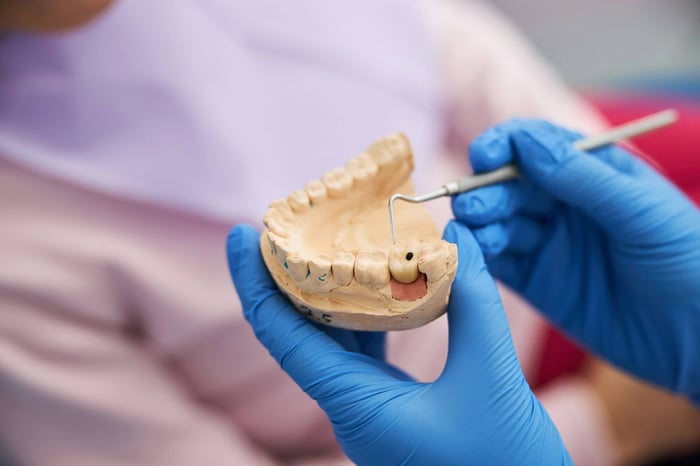
First, your dentist cleans the affected tooth and removes any decay or old filling material. Then, the dentist carefully shapes the tooth so the crown can fit snugly over it. This shaping involves trimming the tooth down to make space without causing discomfort.
If the tooth is too damaged or weak, the dentist may build it up with filling material before shaping. This ensures the crown stays secure and functions properly.
Temporary Crowns
After shaping, a temporary crown covers your tooth while the permanent one is being created. This temporary crown protects your tooth from damage, sensitivity, and food getting stuck.
The temporary crown usually feels different but should not cause pain. It will stay in place for one to two weeks. You’ll want to avoid sticky or hard foods to keep it safe.
Final Placement
Once your permanent crown is ready, your dentist will check its fit, shape, and color. They make sure it matches your other teeth and feels natural when you bite or chew.
If everything looks and feels right, the dentist cements or bonds the crown onto your tooth. The dentist then removes any extra cement and polishes the crown so it looks smooth.
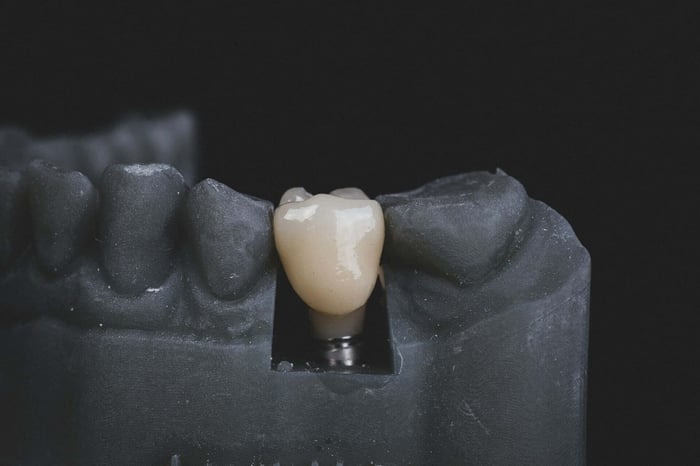
After placement, the crown works like a strong shell. It protects your tooth, restores its shape, and helps you use it without pain or worry. Your dentist will guide you on keeping your crown clean and healthy for years.
How Long Crowns Typically Last
Dental crowns can remain functional for many years with proper care and routine checkups. Their lifespan varies based on material, chewing habits, and the health of surrounding gums.
The Cleveland Clinic explains that crowns often last 5 to 15 years, and sometimes longer with good home care. Regular exams help monitor crown integrity and prevent issues such as loosening or wear.
Protecting Your Smile with the Right Support
A damaged tooth often needs more than a simple repair, and understanding when a crown is necessary helps protect your long-term oral health. Crowns reinforce weakened teeth, restore function, and prevent further breakdown before problems become more complex.
At Care Dental Center, we believe in thoughtful, patient-centered care. We take the time to explain your options and ensure your crown feels natural and comfortable while supporting your daily chewing needs.
If you’re noticing pain, cracks, or changes in how your tooth feels, a crown may be the right next step. Schedule your visit today to explore gentle, reliable options that help protect your smile.
Frequently Asked Questions
Knowing when a damaged tooth needs a crown can help protect it and keep your smile healthy. Here are answers to common questions about crowns and damaged teeth.
What signs indicate that a tooth might require a crown?
If your tooth has large cracks, deep decay, or a big filling that weakens it, a crown might be needed. You may also notice the tooth looks broken, worn down, or fragile.
Can a cracked tooth be fixed with a crown, or is extraction the only option?
Many cracked teeth can be saved with a crown, which covers and strengthens the tooth. Extraction is usually a last option when the damage is severe or the tooth can’t be repaired safely.
How does a dentist determine if a crown is necessary during a dental visit?
Your dentist will check for cracks, decay, or weak spots in the tooth. They may take X-rays to see inside the tooth and decide if a crown offers the best protection.
Is sensitivity in a tooth a sign that it could need a crown?
Tooth sensitivity can mean the tooth is damaged or worn, but it doesn’t always mean a crown is needed. Your dentist will check to see if the sensitivity comes from decay, cracks, or other issues.
What can happen if a damaged tooth is left without a crown?
Without a crown, the tooth can suffer more damage, break further, or develop an infection. This can lead to pain and may require more complex treatment later.
Are there alternative treatments to crowns for repairing damaged teeth?
Sometimes fillings or bonding can fix smaller damage. However, for bigger breaks or weak teeth, crowns provide stronger, longer-lasting protection.