A child’s first experiences at the dentist can shape how they feel about dental care for years. Choosing the right kids dentist helps children feel comfortable while learning habits that keep their teeth healthy as they grow.
At Care Dental Center, pediatric dental visits are designed to protect young smiles while keeping children relaxed during appointments. Gentle exams, preventive care, and kid-friendly communication help make visits easier for both children and parents.
In the sections ahead, we’ll walk through what pediatric dentists do, the services that help protect growing teeth, and how families can make dental visits positive and stress-free.
Why Choosing a Kids Dentist Makes All the Difference
Pediatric dentists know children’s mouths, emotions, and growth inside out. You get trained specialists, routines built for families, and plans that help your child keep a healthy smile as they grow up.
Specialized Training for Pediatric Needs
Pediatric dentists finish extra training focused on kids’ teeth, jaws, and behavior. They learn how baby teeth come in, when to check for orthodontic issues, and how to treat cavities so permanent teeth stay protected.
Treatments change by age. For toddlers, it’s gentle exams and fluoride. For school-age kids, it can mean sealants, growth checks, or advice about sports mouthguards. They also understand how medical conditions or special needs affect oral care.
Staff use kid-sized equipment—tiny X-rays, smaller tools. This approach lowers overtreatment and gives you clear, age-specific advice for home care and prevention.
Why Baby Teeth Play An Important Role In Development
Baby teeth do more than hold space for adult teeth. According to the American Dental Association (ADA), primary teeth help children chew properly, speak clearly, and guide permanent teeth into position.
Healthy baby teeth also support normal jaw development as a child grows. The ADA explains that losing baby teeth too early may affect spacing and alignment later.
Protecting baby teeth with brushing, regular dental visits, and preventive care helps support long-term oral health. Early attention can prevent more complex dental problems later.
Making Dental Visits Fun and Fear-Free
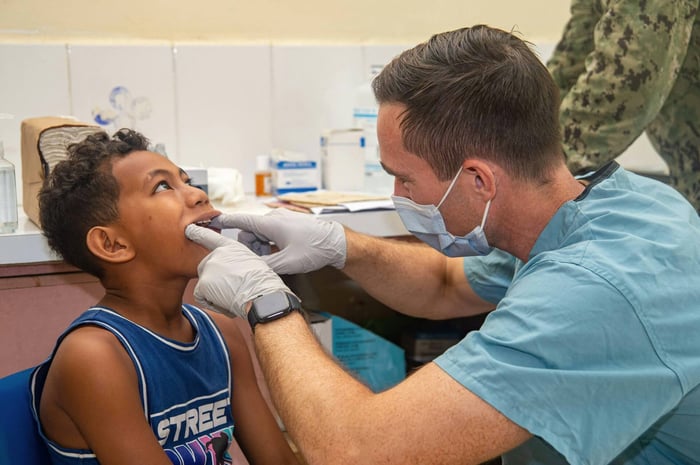
Pediatric offices design visits to lower anxiety and build trust. You’ll notice calm check-ins, friendly words, and distractions like toys or small chairs that make the space feel less scary.
Trained dentists use step-by-step explanations and positive reinforcement. They show your child what each tool does and answer your questions. This method turns first visits into positive experiences that lead to better habits.
Most kids respond to short, clear instructions and praise. That lets the dentist finish cleanings, fluoride, and sealants without drama. You leave with a child who feels safe and a plan for easier visits next time.
Long-Term Benefits for Growing Smiles
Early care with a pediatric dentist helps prevent decay and catches problems early. Routine cleanings, sealants, and targeted fluoride cut the risk of painful infections and tough treatments later.
Pediatric dentists watch jaw and tooth growth, spotting issues that might need orthodontic help. Early advice can make future braces easier and protect permanent teeth as they arrive.
Choosing a kids' dentist also boosts daily habits. You’ll get practical tips for brushing, flossing, and a diet that fits real family routines. Over time, these steps mean healthier smiles, fewer emergencies, and more confidence for your child.
All About Pediatric Dental Services for Children
Your child gets care that prevents problems, treats issues, and helps in emergencies. The team focuses on gentle, clear explanations, modern tools, and steps you can use at home.
Essential Preventive Care: Checkups, Cleanings, and Sealants
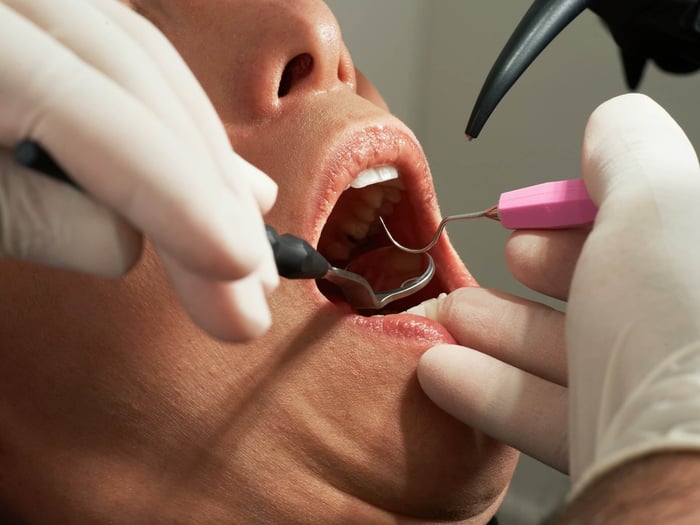
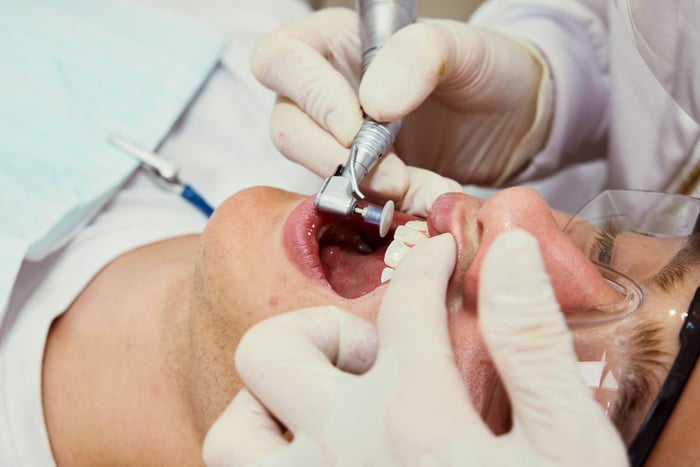
Bring your child for regular checkups every six months or as the dentist suggests. The hygienist cleans teeth, removes plaque, and checks bite and jaw growth. Cleanings lower cavities and keep gums healthy.
Dental sealants protect the chewing surfaces of back teeth. The dentist brushes on a thin resin to block food and bacteria. Fluoride varnish may also be used to strengthen enamel and lower decay risk.
At home, brush twice a day with a pea-sized fluoride toothpaste and floss once daily for older kids. Ask your kids' dentist about diet tips, fluoride choices, and a schedule that matches your child’s needs.
Treatments for Teeth: Fillings, Crowns, and More
If your child gets a cavity, the dentist removes the decay and places a filling. Dentists use tooth-colored materials that blend with baby or adult teeth. For bigger damage, a crown protects and restores function. Crowns keep teeth strong when it matters most.
Pulp therapy (a baby root canal) treats infection in baby teeth when needed. Space maintainers hold room for adult teeth if a baby tooth falls out early. Orthodontic checks start early to spot crowding or alignment issues.
Modern tools and gentle techniques help reduce discomfort and speed recovery. The team explains each step so you know what’s coming before and after treatment.
Dental Emergencies: Fast, Gentle Relief
During a dental emergency, call your dentist right away for help. Common emergencies include knocked-out teeth, severe toothache, or broken teeth. Quick care can save a tooth or prevent infection.
If a permanent tooth gets knocked out, hold it by the crown and try to put it back in or keep it in milk while you head to the office. For severe pain or swelling, skip home remedies except rinsing with warm water and using a cold pack.
Your kids' dentist focuses on comfort and safety. They explain options, use gentle pain control, and offer follow-up steps to help prevent future problems. Hablamos Español if you need help in Spanish.
Building a Positive Dental Experience for Kids
A calm, friendly visit helps your child learn good habits and feel safe at the dentist. The right office setup, staff approach, and simple comfort tricks make visits easier for kids and parents alike.
Kid-Friendly Offices and Caring Teams
Look for a pediatric dentist with bright, clean spaces and toys or books in the waiting area. Child-sized chairs and colorful decor help kids feel at home. Ask if the team uses kid-focused language so your child understands each step.
Pick a clinic where staff greet your child by name and explain tools before using them. A caring team offers a gentle touch and slow pace. Many offices use distractions like headphones or video goggles to make checkups and cleanings easier.
If your child needs extra support, check if the office offers shorter appointments or a familiar staff member at each visit. These small changes build trust and help your child return with less fear.
Supporting Families and Parental Involvement
You should know what to expect before, during, and after every visit. A good pediatric dentist explains the exam, cleaning, and X-rays in plain words. They show you and your child how to brush and floss at home with clear, simple tips.
Bring your child’s favorite toy or comfort item if it helps them stay calm. Ask if you can stay in the room during the exam; many offices welcome parents and can coach you on supporting your child without adding stress. If your child needs special care, request a pre-visit call so the team can prepare.
Fun, Comfort, and Encouragement in Every Visit
Make visits positive with small rewards like stickers or a progress chart at home. Praise specific things—“You sat still for the cleaning”—to reinforce cooperation. Fun touches like themed toothbrushes or quick games make oral care feel doable.
Comfort matters: a warm blanket, soft lighting, or a quiet corner can lower stress. Staff who use calming words and explain each step help your child stay relaxed. Keep up regular visits every six months so your child gets used to the routine and keeps a healthy smile.
Helping Kids Build Healthy Smiles From The Start
Choosing a kids dentist helps children develop confidence during dental visits and learn habits that protect their teeth. Early care and preventive treatments play a key role in keeping young smiles healthy.
At Care Dental Center, pediatric dental care focuses on gentle treatment and practical guidance for families. Helping children feel comfortable during visits encourages lifelong oral health habits.
Regular dental checkups help catch small problems early and support healthy growth as children develop. Starting these routines early can make a lasting difference in your child’s smile.
Frequently Asked Questions
Here are answers to common questions about kids’ dental visits, comfort techniques, timing for the first visit, check-ups, home care, and prevention. You’ll find practical steps and what to expect at each visit.
How can I prepare my child for their first dental visit?
Talk about the visit calmly the day before. Use simple words like “we’ll count teeth.” Read a kids’ book or watch a video about dentists. Role-play with a toothbrush. Bring a favorite toy. Arrive early so your child can adjust and meet the team.
What gentle techniques help keep children comfortable at the dentist?
Dentists use kid-sized tools and clear, short explanations. They move slowly and stop if your child feels nervous. Distractions like songs, stories, or videos help. Some offices offer nitrous oxide for anxious kids. The team uses praise, small rewards, and a “tell-show-do” approach for predictability.
At what age should my child first see a pediatric dentist?
Bring your child by their first birthday or within six months of their first tooth. If you spot pain, chips, or white or brown spots, call sooner. Early care prevents bigger issues later.
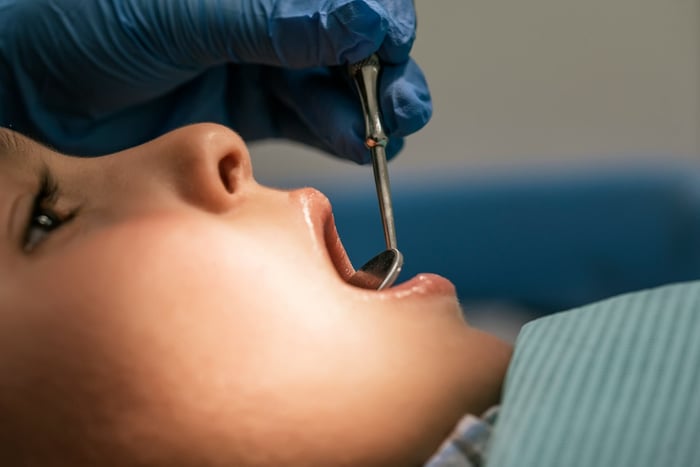
What happens during my child's routine dental check-up?
The dentist checks teeth, gums, bite, and jaw growth. They look for decay, grinding, or crowding. Your child gets a gentle cleaning and brushing tips. X-rays may be taken if needed. Expect simple explanations and time for questions. The staff will share any next steps.