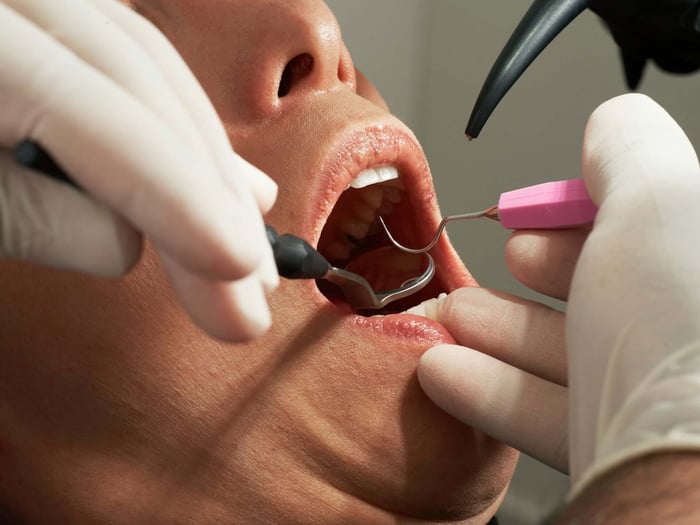
Nervous about wisdom tooth extraction? That reaction is completely common, especially when people do not know what the procedure or recovery will actually feel like. Most patients simply want clear answers, a manageable recovery, and reassurance that the process will not be as overwhelming as they imagined.
At Care Dental Center, patients receive supportive guidance, modern imaging, and comfort-focused care before, during, and after treatment. Clear explanations and calm communication often help reduce anxiety long before the procedure begins.
This guide explains why wisdom teeth sometimes need removal, what happens during extraction, and what recovery usually looks like afterward. You’ll also learn what can help patients feel more prepared and less stressed before surgery day.
Signs That Your Wisdom Teeth Are Causing Trouble
Some of the most common signs that your wisdom teeth might be causing trouble are pretty hard to ignore. You might notice:
Aching or pressure near the back of your jaw
Swollen or sore gums around those teeth
Trouble opening your mouth all the way
Pain that shoots toward your ear or along your jaw
Other teeth are getting crowded or out of line
Food stuck in spots that are tough to reach
These symptoms can come and go, which makes it tempting to brush them off. If the discomfort sticks around or gets worse, it’s time to get checked out.
Why Impacted Teeth Often Lead to Bigger Problems
An impacted wisdom tooth stays stuck under the gum, either fully or partly. It can’t erupt right because there’s no space. This can lead to infection, cysts, or even harm your other teeth if it’s ignored.
Impacted third molars are a major reason dentists recommend taking wisdom teeth out. They’re tough to clean, so bacteria build up fast, raising your risk for gum problems.
When Monitoring Is Enough Instead of Surgery
Not every wisdom tooth needs to come out immediately. If your molars come in straight, fit well, and you can clean them, your dentist might just keep an eye on things.
Regular checkups and X-rays help your care team track any changes. As long as the teeth stay healthy and don’t move, you might never need them out.
Getting Ready for the Appointment
Before wisdom tooth removal, you’ll have a planning visit to set expectations and make sure things go smoothly. Feeling ready can really boost your confidence before the procedure.
Your Exam, X-Rays, and Treatment Plan
Your dentist will take X-rays to see exactly where each tooth is, how deep it sits, and if it’s impacted. This info shapes your treatment plan. You’ll get a clear idea of what’s coming before anything starts.
Based on those images, your dentist will walk you through the procedure, how long it might take, and what recovery usually looks like for your situation.
Choosing Between a Dentist and an Oral Surgeon
Some wisdom tooth extractions are simple enough for a general dentist. Others, especially those with deeply impacted or angled teeth, get referred to an oral surgeon.
Oral surgeons have extra training for tricky cases. Your dentist will tell you which option fits you best after reviewing your X-rays and exam.
Questions to Ask Before the Procedure
Walking in with a few questions can ease your nerves. You might want to ask:
Question | Why It Matters |
What type of anesthesia will be used? | Helps you plan for recovery time |
Will I need stitches, and are they dissolvable? | Sets expectations for aftercare |
What are the post-op instructions I should follow? | Helps you prepare your home recovery |
Does my dental insurance cover this? | Avoids billing surprises |
When is my follow-up appointment? | Keeps healing on track |
How the Procedure Usually Happens
A wisdom tooth extraction follows a clear, step-by-step process. Knowing what to expect in the chair can make the whole thing way less nerve-wracking, especially if it’s your first time.
Simple Extractions vs Surgical Removal
Simple extractions work when a wisdom tooth is fully out and visible above the gum. The dentist loosens and removes the tooth with special tools. This process is usually quick and not too bad.
Surgical removal is needed when a tooth is impacted or still hiding under the gum. The dentist or surgeon makes a small cut in the gum to reach the tooth. It takes a bit longer but is still pretty routine.
How the Tooth Is Loosened or Sectioned
During surgical removal, the dentist might divide the tooth into smaller pieces if it’s angled or stuck. Taking it out in chunks is often easier on your gums and bone than trying to yank it out whole. It’s all about making things as gentle as possible.
Your mouth will be numb the whole time, so you may feel pressure but not sharp pain. If something feels off, say something right away.
Gauze, Stitches, and Heading Home the Same Day
After the tooth comes out, they’ll place gauze over the spot to help stop bleeding. If stitches are needed, they’re usually dissolvable, so you won’t have to come back to get them out. You’ll almost always go home the same day.
If you had sedation, you’ll need someone to drive you home and keep an eye on you for a bit.
Anesthesia and Comfort Options
Comfort during wisdom tooth extraction starts with picking the right anesthesia. Your care team will explain your options based on your needs, how tricky the removal is, and how you feel about dental work in general.
When Local Numbing Is Enough
Local anesthesia means an injection that numbs the area around your tooth. You’ll stay awake but won’t feel pain in that spot. This is great for simple extractions and if you’re not too anxious.
Local anesthetic is the basic pain control and is used in almost every extraction, sometimes with other options for extra comfort.
When IV Sedation May Be Recommended
IV sedation puts medication right into your bloodstream. You’ll feel super relaxed and probably won’t remember much.
You’re not fully asleep, but it’s close. This is often suggested if you’re getting several wisdom teeth out, if they’re really impacted, or if you’re anxious about dental work. Only an oral surgeon or trained dentist handles IV sedation.
What General Anesthesia Changes
General anesthesia knocks you out completely. It’s usually only used for complicated cases or if you have special medical needs.
Recovery takes longer afterward. If you go this route, you’ll need someone to stay with you after the procedure. Your care team will give you all the details so you know what to expect before and after.
The First Week of Healing
Recovery after wisdom teeth removal is different for everyone, but there’s a pretty common pattern during the first week. Taking care of yourself early on makes healing smoother and less painful.
What the First 24 Hours Often Feel Like
Right after the procedure, your mouth will still be numb. As the numbness fades, some soreness kicks in. Your dentist might suggest ibuprofen, acetaminophen, or sometimes a prescription pain med, depending on what you need.
Expect some light bleeding at first. Keep gentle pressure on the gauze as told. Don’t rinse, spit hard, or use a straw during this stage—it can mess with healing.
Swelling, Jaw Stiffness, and Eating Soft Foods
Swelling is usually at its worst around day two or three, then gets better. Use a cold pack on your jaw in the first 24 hours to help. Jaw stiffness is common but usually goes away within a week.
Stick to soft foods for now. Some good options:
Yogurt and smoothies
Mashed potatoes, soft veggies
Scrambled eggs, oatmeal
Applesauce, soft fruit
Soup (let it cool a bit first)
Hold off on crunchy, chewy, or hard foods until your dentist says it’s okay.
When Most People Return to School or Work
Most teens and young adults are back at school or doing light work in two to four days. If your job is physical, you might need a couple more days off.
Your recovery depends on how many teeth came out and whether it was surgical or simple. Stick to your post-op instructions for the best shot at a smooth recovery.
Avoiding Setbacks While You Recover
Most people heal up just fine, but it’s good to know what to watch for. Following your aftercare instructions is the best way to avoid problems.
How Dry Socket Happens and How to Lower the Risk
After an extraction, a blood clot forms in the socket. That clot protects the area underneath. Dry socket happens when the clot gets knocked out or dissolves too soon, exposing the bone. Ouch. Pain from a dry socket usually starts two to four days after the procedure. To lower your risk:
Skip straws for at least a week
Don’t smoke or use tobacco
Avoid fizzy and alcoholic drinks
Follow the gauze and rinsing instructions closely
Bleeding, Infection, and Other Warning Signs
Some bleeding right after surgery is normal. If it doesn’t slow down with gentle gauze pressure, call your dental office. Signs of infection include pain that gets worse after day three, swelling that doesn’t go down, fever, or weird discharge near the site. These aren’t normal and should be checked out quickly.
When to Call the Office for Extra Help
If you’re unsure if what you’re feeling is normal, reach out. No question is too small during recovery. It’s better to ask early than wait. Your dental team would rather talk to you and say things look good than miss something serious.
Cost, Coverage, and Follow-Through
The cost of wisdom teeth removal can be confusing, but knowing what affects the price helps you plan. Most people find that their dental insurance covers at least part of it, especially if it’s medically necessary.
Why Some People Delay Wisdom Tooth Removal for Too Long
Many people postpone wisdom tooth extraction because symptoms come and go. Others avoid treatment because they feel nervous, busy, or unsure whether removal is truly necessary. Unfortunately, impacted wisdom teeth can become harder to treat once infection, swelling, or damage to nearby teeth develops.
The American Dental Association explains that impacted teeth may contribute to oral health complications when they cannot erupt properly. Early evaluation helps patients understand whether monitoring or treatment makes more sense for their situation.
What Affects the Total Price
Several things affect how much your wisdom tooth extraction costs:
Factor | How It Affects Cost |
Number of teeth removed | More teeth means a higher total |
Simple vs. surgical extraction | Surgical removal costs more |
Anesthesia type | Sedation and general anesthesia add to the fee |
Provider type | Oral surgeon visits may differ in price |
Location and facility fees | In-office vs. surgical center varies |
Impacted teeth usually cost more to remove than those already out because the process is more involved.
How Dental Insurance May Help
Many dental insurance plans cover wisdom teeth removal, especially when it’s needed for health reasons. What’s covered depends on your plan, whether the teeth are impacted, and your deductible and annual max.
It’s smart to call your insurance before your appointment to know what’s included. You can also ask the dental office to help check your benefits before you come in.
Why Aftercare Visits Still Matter
Your follow-up appointment isn't really optional. The team checks that the extraction sites are healing well and can spot early issues before they turn into big problems.
Even if you feel alright, showing up for your aftercare visit is a key part of finishing your wisdom teeth removal. If you skip it, you lose the chance to make sure your recovery's on track and to ask about anything still bothering you.
Feeling More Prepared for Wisdom Tooth Extraction
Wisdom tooth extraction can sound intimidating at first, especially when patients are unsure what to expect during surgery or recovery. Understanding the process ahead of time often helps reduce anxiety and makes the experience feel far more manageable.
At Care Dental Center, patients receive gentle, patient-focused care supported by modern technology and clear communication throughout treatment. Whether the concern involves impacted teeth, jaw discomfort, or swelling, wisdom tooth extraction planning should be supportive and straightforward.
If you have questions about wisdom teeth or upcoming treatment, schedule your visit today for calm, comfortable care. A consultation can help you understand your options and feel more confident before the procedure.
Frequently Asked Questions
How long does wisdom tooth extraction usually take?
Simple wisdom tooth extractions may take less than an hour, while more complex surgical cases can take longer. Treatment time depends on how many teeth are removed and whether the teeth are impacted. Your dentist or oral surgeon will explain the expected timeline before the procedure.
Will I be awake during wisdom tooth extraction?
Many patients stay awake with local anesthesia during wisdom tooth extraction. Others may receive sedation to help them feel relaxed or sleepy during the procedure. The best option depends on the complexity of the extraction and the patient’s comfort level.
What foods can I eat after a wisdom tooth extraction?
Soft foods are usually recommended during the first few recovery days. Yogurt, applesauce, mashed potatoes, smoothies, scrambled eggs, and soup are common choices. Crunchy or hard foods should be avoided until healing improves.
How do I know if I have a dry socket?
Dry socket often causes worsening pain several days after extraction instead of gradual improvement. Some patients notice pain spreading toward the ear or jaw along with an unpleasant taste or odor. Patients should contact the dental office if symptoms feel unusual or suddenly worsen.
Do all wisdom teeth need to be removed?
Not always. Some wisdom teeth grow in normally and stay healthy for many years. Dentists usually recommend monitoring or removal based on spacing, positioning, symptoms, and long-term oral health risks.