Finding a children’s dentist in Carson can feel like a big decision for parents. You want a place where your child feels safe, supported, and comfortable from the very first visit.
At Care Dental Center, families are welcomed with a gentle approach focused on patience, clear communication, and calm dental experiences. Kid-friendly care and modern tools help appointments feel smoother for both children and parents.
This guide explains what happens during pediatric dental visits, why early care matters, and how healthy habits develop over time. You’ll also learn what to look for when choosing a dental office that fits your family’s routine and comfort level.
Why Early Dental Visits Help Children Feel More Comfortable
Many parents wait until a problem appears before scheduling a child’s first dental visit. Early appointments help children become familiar with the dental office in a calm, low-pressure setting before discomfort or treatment becomes necessary.
That early comfort can shape how children feel about dental care for years. The American Academy of Pediatric Dentistry recommends a first dental visit by age one or within six months of the first tooth appearing. Early visits also give parents guidance about brushing, fluoride, and healthy oral development.
What Happens During the First Checkup
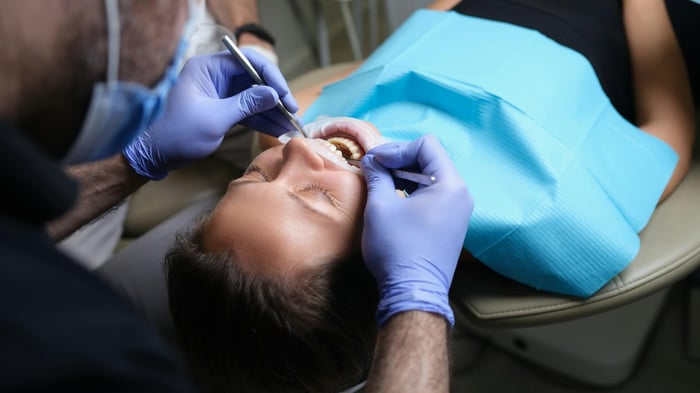
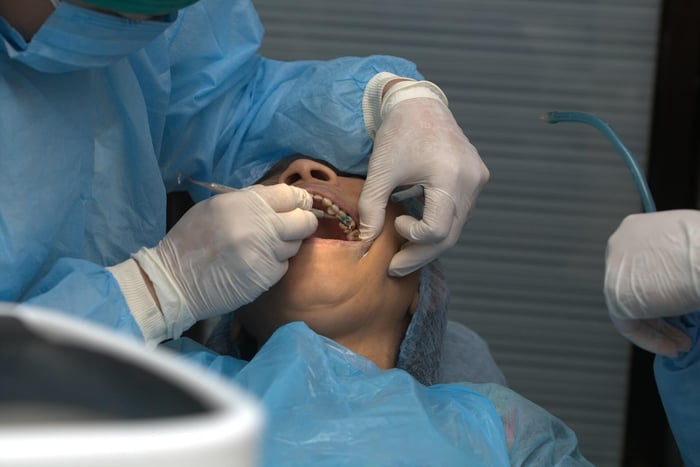
First visits can feel unfamiliar for young patients, but the appointment is gentle and never rushed. The dentist looks at your child's teeth and gums, does a basic cleaning, and answers your questions.
No surprises. Each step gets explained in simple, friendly words so your child knows what's coming. The aim is to make the visit feel normal, not stressful or scary.
How to Help Your Child Feel Ready
Talk to your child about the visit in a calm, positive way. Keep it simple. Maybe say, "We're going to meet the dentist who helps keep your teeth strong."
Try not to mention words like "hurt" or "shot," even if you're trying to reassure them. Bring a favorite toy if it helps. Getting there a little early lets your child look around and settle in, which can make a big difference.
Why Children Benefit From Kid-Focused Dental Care
When your child sees a dentist who focuses on kids, every part of the experience is shaped for their needs. The care, the way they talk, and the whole environment work together to support comfort and cooperation.
How a Pediatric Dentist Supports Growing Smiles
Pediatric dentists have extra training in children's oral development, from baby teeth through the teen years. They know how teeth grow, how jaws develop, and how to spot early signs that could affect your child's smile later.
That focus on growth means small issues can get fixed before they become bigger problems. Early monitoring supports a healthier future.
Comfort, Behavior, and Communication With Children
Working with kids takes patience and skill. Pediatric dentists use techniques like "tell-show-do." They explain a step, show how it works, then gently do it. This helps kids feel more in control and less anxious.
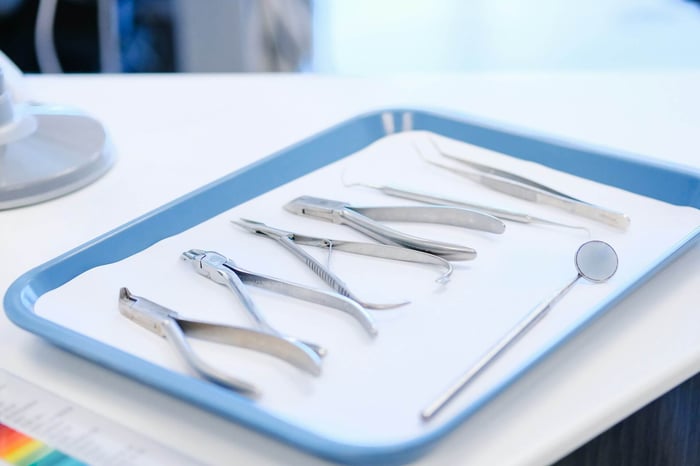
Staff use age-appropriate words and move at a pace that suits each child. The tools are designed for smaller mouths, which makes everything more comfortable.
Support for Different Ages and Development Stages
A toddler's dental needs aren't the same as a seven-year-old's, and those are different from a preteen's. Pediatric dentists adjust their approach based on your child's age, development, and temperament.
Whether your child is cutting their first tooth or losing baby teeth, care is tailored to where they are right now. It's always a moving target with kids, isn't it?
Services That Help Protect Baby Teeth and Adult Teeth
Protecting both baby teeth and the adult teeth growing underneath takes a range of preventive and restorative services. A pediatric dentist in Carson can provide these in a gentle, age-appropriate way.
Dental Exams, Cleanings, and Fluoride
Routine exams let the dentist check each tooth and the gum tissue for any signs of concern. Professional cleanings remove plaque from spots that brushing at home can miss. Fluoride treatments are quick and simple.
They strengthen tooth enamel and lower the risk of cavities, especially for young kids whose enamel is still developing.
Cavity Prevention With Sealants and Home Habits
Dental sealants are thin coatings applied to the chewing surfaces of back teeth. Those grooves can trap food and bacteria. Sealants are one of the best tools for preventing cavities in school-age children.
But what happens at home matters just as much. The dental team can show you the right brushing technique, flossing, and diet choices that support healthy teeth between visits.
Fillings, Injury Care, and Early Bite Monitoring
If a cavity does show up, a tooth-colored filling restores the tooth comfortably and quickly. Kids are active, and dental injuries happen. Having a trusted children's dentist means you have someone to call when those moments pop up.
Early bite monitoring is another key part of pediatric care. By watching how your child's teeth come in and how the jaw is developing, the dentist can spot alignment issues early. Catching these patterns sooner usually means simpler solutions later.
Common Dental Concerns Parents Often Notice Early
Parents notice changes in their child's mouth and wonder what's normal and what needs attention. A pediatric dentist can answer those questions clearly, without judgment.
Common Concern | What It May Mean | When to Ask the Dentist |
Dark spots on teeth | Early tooth decay | At the next visit or sooner |
Thumb sucking after age 4 | May affect tooth alignment | Bring it up at a regular checkup |
Gaps between baby teeth | Often normal spacing | A dentist can confirm at the exam |
Late tooth eruption | May need monitoring | If significantly delayed from the typical range |
Bleeding gums | Plaque buildup or brushing technique | Mention at next cleaning |
Tooth Decay in Toddlers and Young Children
Tooth decay is one of the most common childhood health issues, but it's also very preventable. Even baby teeth can get cavities, and untreated decay can cause pain that affects eating and sleep.
Early visits to a pediatric dentist help catch decay at its earliest stage, when treatment is simple and gentle. You'll also get clear advice on reducing cavity risk through diet and home care.
Thumb Sucking, Pacifiers, and Oral Habits
Thumb sucking and pacifier use are normal for infants and very young kids. Most stop on their own. If the habit sticks around past age three or four, it can start to affect how teeth come in and how the jaw grows.
A pediatric dentist can help you figure out when and how to address these habits in a supportive, pressure-free way. There's no shame in asking, and gentle guidance really helps.
Gums, Spacing, and Changes as Teeth Come In
Parents often notice that new teeth look bigger than expected or that gaps have appeared. Usually, this is a normal part of development. Baby teeth leave space for larger permanent teeth later.
Still, it helps to have a dentist confirm what’s typical and what might need a closer look. Regular checkups give you peace of mind and keep things on track.
Choosing a Practice That Fits Your Family's Routine
Finding a children's dentist in Carson who fits into your family's schedule makes it much easier to stay consistent with care. Convenience, clear costs, and a welcoming office all matter more than you might think.
Flexible Appointment Times and Scheduling Convenience
Flexible appointment times make it easier to fit dental visits into your week without throwing off school or work. You can also book family appointments together, which saves time and makes the trip more efficient for everyone.
Scheduling multiple family members on the same day means fewer trips and a more streamlined experience. Many offices welcome patients of all ages, so the whole family can be seen under one roof.
Insurance, Payment Options, and Clear Costs
Knowing what to expect financially before your appointment takes away a big source of stress. A good dental team will explain your insurance coverage and any out-of-pocket costs in plain language before treatment starts.
For families without insurance or with limited coverage, flexible payment options can help. The goal is to make sure cost never gets in the way of your child's care.
A Friendly Team and a Welcoming Office Experience
The way an office feels when you walk in matters, especially for kids. A calm, welcoming space with staff who greet your child warmly sets a positive tone from the start.
When children feel comfortable, they're more likely to cooperate during appointments and less likely to be anxious about coming back. A consistent, friendly team builds trust over time.
How Ongoing Visits Build Healthy Habits Over Time
Regular dental visits do more than just prevent cavities. They teach your child that taking care of their teeth is a normal, positive part of life. That mindset sticks with them in lasting ways.
Why Six-Month Checkups Matter
Twice-yearly checkups give the dental team a regular chance to monitor your child's growth, catch early concerns, and keep teeth clean. Six months is enough time for real changes to happen in a growing mouth.
Skipping visits, even once or twice, can let small issues go unnoticed. Staying on schedule keeps your child's oral health moving in the right direction.
Brushing, Flossing, and Diet Support at Home
What happens at home between visits shapes your child's oral health just as much as professional care. Consistent, simple habits make a real difference.
Here are the key habits to build into your child's daily routine:
Brush twice a day for two minutes with a soft-bristled, age-appropriate toothbrush
Use a pea-sized amount of fluoride toothpaste starting around age two
Floss once daily when teeth are close enough to touch
Limit sugary drinks, even juice, and encourage water throughout the day
Avoid sticky snacks that cling to teeth between meals
The dental team can walk you through exactly how to do each of these based on your child's age and needs. It's not always easy, but with the right support, healthy habits stick.
Building Confidence Around Dental Visits
When kids have good dental experiences early on, they're less likely to feel anxious later. That confidence sticks with them for years.
Each calm visit helps them realize the dentist’s office isn’t scary. After each appointment, try praising your child, keep your words upbeat, and let the dental staff reinforce those good feelings.
Choosing a dentist who really focuses on comfort, clear talk, and gentle care makes a big difference. When the same team gets to know your family, it builds trust and healthy routines that can last well past childhood.
Supporting Healthy Smiles From an Early Age
Children benefit from dental care that feels calm, supportive, and easy to understand. Early visits, preventive habits, and positive experiences all help build stronger oral health routines as children grow.
At Care Dental Center, families receive gentle, patient-focused care designed to help children feel comfortable at every stage of development. From routine cleanings to ongoing preventive guidance, a children’s dentist in Carson should help both kids and parents feel informed and supported.
If your child is due for a dental visit, schedule your appointment today for a comfortable, family-friendly experience. Consistent dental care can help protect healthy smiles for years to come.
Frequently Asked Questions
When should my child first visit the dentist?
Most dental experts recommend a first visit by age one or within six months of the first tooth appearing. Early visits help monitor oral development and create positive dental experiences early in life. Parents also receive guidance about brushing, nutrition, and preventive care.
How often should children visit the dentist?
Most children benefit from dental checkups and cleanings every six months. Regular visits help monitor growth, remove plaque buildup, and identify concerns early. Some children may need more frequent visits depending on their oral health needs.
Are baby teeth really that important?
Baby teeth help children chew, speak clearly, and guide permanent teeth into their proper position. Cavities or early tooth loss may affect future dental development. Keeping baby teeth healthy supports long-term oral health.
What if my child feels nervous about the dentist?
Many children feel nervous before dental visits, especially at first. Calm explanations, supportive dental teams, and positive reinforcement often help children feel more comfortable over time. Bringing a favorite toy or arriving early may also help ease anxiety.
What are dental sealants for children?
Dental sealants are thin protective coatings placed on the chewing surfaces of back teeth. They help reduce the risk of cavities by protecting areas where food and bacteria collect easily. Sealants are commonly recommended for school-age children.