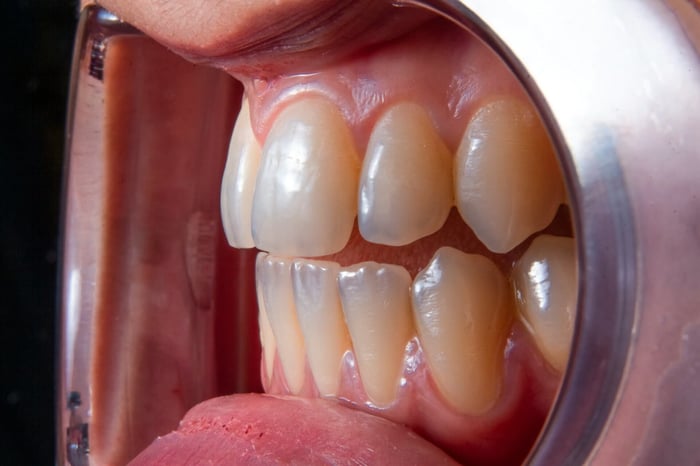
Early clues that gum swelling may require urgent evaluation can be easy to miss if you’re not sure what to look for. What starts as mild irritation can quickly turn into a more serious issue if infection is involved. Recognizing these signs early helps you take action before things worsen.
At Care Dental Center, patients receive clear guidance to understand when gum symptoms need immediate attention. The focus is on helping you feel informed and supported so you can respond quickly and confidently.
In this guide, you’ll learn which symptoms signal urgency, what may be causing the swelling, and what steps to take before seeing a dentist. You’ll also understand how early care helps protect your oral and overall health.
Sudden Gum Swelling That Appears Quickly
If your gums balloon up within a few hours or overnight, take it seriously. Rapid swelling usually means infection, a gum abscess, or even an injury. You might see the area looking stretched, shiny, or feel warmth when you touch it.
Don't just hope it fades away. Swelling can move from your gums into your cheek or jaw faster than you’d think. That’s not something you want to mess around with.
Swelling With Trouble Breathing or Difficulty Swallowing
When swollen gums come with trouble breathing or swallowing, that’s a dental emergency. Infection or swelling could be closing off your airway, and you need help right away. Call emergency services or get to an ER—this isn’t something to handle at home.
Don’t wait for tomorrow. These symptoms need attention now, not later.
Facial Swelling, Jaw Pain, or Swollen Lymph Nodes
If swelling travels beyond the gumline into your cheek, jaw, or neck, the infection is spreading. When jaw pain joins facial swelling and swollen lymph nodes, bacteria have moved beyond the gum. You need to see an emergency dentist that same day—no question.
Pus, Bad Breath, or a Gum Bump Near One Tooth
Notice a small bump near a tooth that leaks pus or tastes bad? That’s likely a gum abscess. Bad breath that sticks around even after brushing also hints at infection. These are not “wait and see” signs—they mean you need urgent dental care.
When Swelling Points to Infection Around a Tooth
Swelling around one tooth often means infection has reached the root or nearby tissue. Tooth pain, pressure, and sensitivity can tell you a dental infection is brewing. If you catch these signs early, treatment is easier, and you might save the tooth.
Tooth Pain, Pressure, and Sensitivity to Hot or Cold
When a tooth throbs, aches under pressure, or zings with hot or cold, pay attention. These are classic signs of a tooth infection or abscess near the root. The pain might come and go, but it usually gets worse as the infection grows.
If hot or cold sensitivity lingers after the food or drink is gone, it’s time to get checked out.
An Abscessed Tooth Versus a Gum Abscess
Tooth abscesses start inside the tooth, often from a cavity or crack that lets bacteria in. Gum abscesses form in the gum tissue, usually due to gum disease or trapped food. Both cause swelling, pain, and sometimes fever, but they need different treatments.
Your dentist will check and use imaging to figure out which one you have and pick the best treatment.
Difficulty Chewing or Pain When Biting
Pain when you bite or chew usually means pressure is hitting an infected or inflamed spot. This could mean an abscess is pressing on tissue and bone. Even mild pain with chewing should be mentioned to your dentist, especially if there’s swelling.
When Root Canal Therapy May Be Recommended
When infection reaches the tooth’s inner pulp, dentists usually recommend root canal therapy. This removes the infected tissue, cleans the canal, and seals the tooth to stop infection from spreading. Root canals are one of the best ways to save a tooth that might otherwise be lost.
Gum Disease Clues That Often Start Small
Gum disease doesn’t usually hurt at first, so it can hide for a while. Bleeding, redness, and tenderness are the first signs, but they’re easy to ignore. If you act on these early, you can avoid bigger problems with the tissue and bone around your teeth.
Bleeding Gums, Tender Gums, and Ongoing Redness
If your gums bleed every time you brush or floss, that’s not normal. Persistent redness and tenderness are signs of gum inflammation—often early gingivitis. If these symptoms stick around for more than a week, you should get checked by a dentist.
When Gum Inflammation Signals A Bigger Issue
Persistent gum inflammation may be an early stage of gum disease. According to Harvard Health Publishing, ongoing bleeding and redness are common signs of gingivitis that should be addressed early. Treating it promptly helps prevent progression.
If left untreated, inflammation can worsen over time. According to the National Institutes of Health (NIH), gum disease can progress to more advanced stages that affect bone and tooth stability. Early evaluation supports better long-term outcomes.
Plaque Buildup and Poor Oral Hygiene Patterns
Plaque that doesn’t get brushed or flossed away hardens into tartar, which irritates your gums. Skipping good oral hygiene lets bacteria pile up, especially between teeth and under the gumline. This buildup is a direct cause of gum inflammation and disease.
From Gingivitis to Periodontitis
Gingivitis is the earliest, easiest-to-treat stage of gum disease. If you don’t address it, it can turn into periodontitis—a more serious problem that damages the bone supporting your teeth. The shift can be slow, which makes regular dental checkups really important.
Loose Teeth, Shifting Teeth, and Gum Recession
Teeth that feel loose, start shifting, or show gum recession point to advanced gum disease. As pockets deepen, the bone underneath breaks down. If left untreated, these changes can lead to tooth loss.
Common Reasons Gums Become Puffy or Sore
Swollen gums don’t always mean a severe infection, but every case deserves attention. Lots of things can make gums puffy or sore—from simple irritants to hidden infections. Finding the real cause quickly leads to faster relief and better results.
Food Traps, Irritation, and Localized Swelling
Food stuck under the gum can cause swelling and discomfort out of nowhere. Popcorn hulls, seeds, and hard foods often get trapped. Gentle rinsing and flossing can sometimes help, but if swelling and pain stick around, see a dentist.
Cavities, Cracks, and Hidden Dental Infections
A deep cavity lets bacteria sneak toward the root and gum. Cracks in teeth are another way bacteria get in, starting an infection you might not see. These hidden infections can cause swelling, even if you can’t spot the problem on the surface.
Dental Trauma and Other Oral Injuries
A hit to the mouth, a fall, or biting something too hard can injure gums and cause swelling. Trauma can tear or bruise gum tissue or even crack a tooth below the gumline. If swelling lasts more than a day, get it checked by a dentist.
Health and Medication Factors That Can Affect the Gums
Some medications, like blood pressure drugs and anticonvulsants, can make gum tissue swell. Health issues that affect your immune system also raise the risk of gum swelling and infection. Always let your dentist know about new medications or health changes so they can keep an eye on your gums.
What to Do at Home Before Your Dental Visit
Home care can ease discomfort before you see a dentist, but it’s not a replacement for real treatment. Gentle steps help with pain and keep things from getting worse. Knowing what to do—and what to skip—can make a difference while you wait.
Gentle Cleaning Without Making Swelling Worse
Keep brushing gently around the swollen spot with a soft-bristle brush and fluoride toothpaste. Skipping brushing lets plaque build up and makes inflammation worse. Use gentle pressure and short strokes—don’t scrub the swollen area.
Careful flossing between the teeth can remove trapped food without causing more irritation.
What Helps Briefly and What to Avoid
Try a warm salt water rinse—half a teaspoon of salt in eight ounces of water—to calm swelling and wash away debris. Use it a couple of times a day until your appointment. Avoid hydrogen peroxide rinses unless your dentist specifically says to use them.
Don’t put aspirin directly on your gums; it can burn the tissue. Over-the-counter pain relievers can take the edge off, but follow the directions.
Can Gum Swelling Go Away on Its Own?
Minor swelling from food irritation or mild gum inflammation might settle down with home care in a day or two. If swelling lasts more than a few days, gets worse, or comes with pain, pus, or fever, you’ll need professional help. Don’t assume pain going away means the problem is gone for good.
When Same-Day Contact Is the Safer Choice
Symptom | Action Needed |
Swelling spreading to the face or neck | Call an emergency dentist immediately |
Difficulty breathing or swallowing | Go to the emergency room now |
Fever with gum swelling | Same-day dental contact |
Pus or persistent bad taste | Urgent dental care today |
Suddenly, severe gum pain | Call the dentist today |
If you spot any of these symptoms, calling an emergency dentist right away is the best move.
How Dentists Check and Treat the Cause
Dentists don’t just glance at the swelling—they dig in to find out what’s causing it. They’ll use imaging, probing, and a full exam to figure out if it’s an infection, gum disease, or something else. Treatment is always matched to the cause, which is why getting checked matters.
Exam, Imaging, and Checking Gum Pockets
During your visit, the dentist measures gum pocket depth with a tiny probe. Deep pockets often mean periodontal disease or infection below the gumline. X-rays or other images can show abscesses, bone loss, or hidden tooth damage.
Professional Dental Cleaning and Deep Cleaning Options
Professional cleanings remove plaque and tartar that brushing at home can’t reach. If things are more advanced, dentists use deeper cleaning to treat tissue below the gumline. This reduces inflammation and helps gums heal.
Scaling and Root Planing for Periodontal Disease
Scaling and root planing is the go-to treatment for gum disease that’s moved past the early stage. Scaling clears tartar and bacteria from teeth and deep gum pockets. Root planing smooths the root so gums can reattach and bacteria have fewer hiding spots.
Drainage, Medication, or Follow-Up Emergency Dental Care
If there’s a dental or gum abscess, the dentist may drain it to relieve pressure and clear infection. Sometimes, antibiotics are added—especially if the infection has spread or could spread. Follow-up visits check that healing is on track and the infection is gone.
Daily Habits That Help Prevent Future Flare-Ups
Consistent daily care is the best way to keep swollen gums from coming back. Small habits, done right every day, do more for your gums than any single treatment. Build a routine—brushing, flossing, rinsing, and regular checkups—to give your gums their best shot at staying healthy.
Brush Twice Daily With Fluoride Toothpaste
Brushing twice a day with fluoride toothpaste clears plaque before it hardens and irritates your gums. Use a soft-bristled brush and angle it at 45 degrees to the gumline. Gentle, circular motions clean the gum edge without causing recession.
Swap your toothbrush every three or four months, or sooner if the bristles look worn out.
Flossing and Interdental Brush Use That Supports the Gumline
Flossing once a day clears away plaque and bits of food stuck between teeth—places your toothbrush just can't reach.
Interdental brushes come in handy for cleaning around braces, bridges, or those wider spaces where floss struggles. Using both keeps plaque from piling up, which helps stop gum irritation and, down the road, gum disease.
Antibacterial Mouthwash and Better Plaque Control
Rinsing with antibacterial mouthwash after you brush and floss gives you extra backup against bacteria that cause plaque.
Mouthwash can reach tricky spots your brush and floss might miss, especially right along the gumline. Try to pick a mouthwash designed for gingivitis or inflamed gums if that's something you deal with.
Go for alcohol-free mouthwash if your gums are sensitive or your mouth feels dry
Try using mouthwash at a different time than brushing for best results
Remember, mouthwash can't replace brushing or flossing—it's just a good helper
Regular Dental Checkups to Prevent Gum Swelling
When you go for regular dental checkups, your dentist can spot early signs of gum disease before things get out of hand. They clean away tartar that stubbornly clings to your teeth, no matter how well you brush at home.
If you make it a habit to visit your dentist in Carson twice a year, you'll have a much better shot at keeping gum swelling from becoming a constant headache.
Recognizing Early Signs Can Protect Your Health
Understanding early clues that gum swelling may require urgent evaluation helps you respond quickly and avoid serious complications. Paying attention to symptoms like rapid swelling, pain, or signs of infection can make a significant difference in your outcome.
At Care Dental Center, patients receive supportive care and clear guidance to address gum concerns early. With the right attention and treatment, many issues can be managed before they become more serious.
If you notice unusual gum swelling or discomfort, don’t wait to seek advice. Schedule an evaluation today to protect your oral health and prevent future problems.
Frequently Asked Questions
When should I worry about gum swelling?
You should be concerned if swelling appears suddenly, worsens, or is accompanied by pain, fever, or pus. These signs may indicate infection. Prompt dental evaluation is important.
Can gum swelling go away on its own?
Minor irritation may improve with good oral hygiene. However, persistent or worsening swelling usually needs professional care. It’s best to monitor symptoms closely.
What does a gum abscess look like?
A gum abscess often appears as a small bump filled with pus. It may cause pain, swelling, and a bad taste. This condition requires prompt treatment.
Is gum swelling always a sign of infection?
Not always, but infection is a common cause. Other factors, like irritation or gum disease, may also contribute. A dental exam helps determine the cause.
What should I do before seeing a dentist?
Keep the area clean, rinse with warm salt water, and avoid irritating foods. Do not apply harmful substances to the gums. Contact your dentist if symptoms worsen.