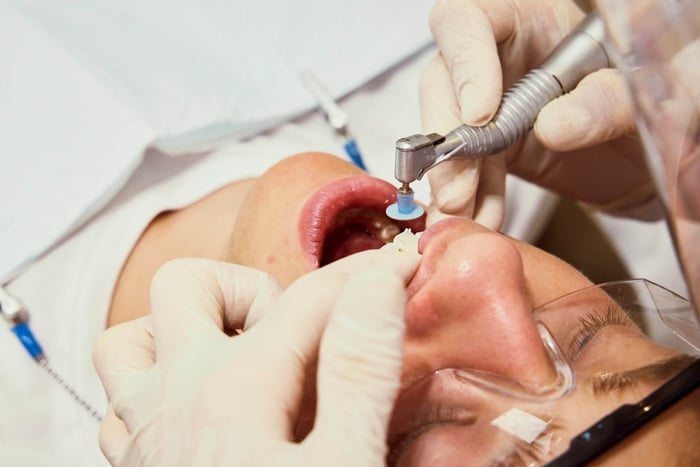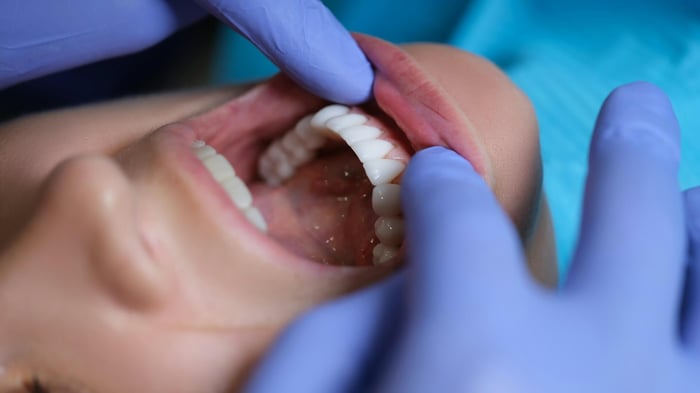
When people ask about the cost of veneers, the first thing they usually want to know is the price. But the real answer depends on several factors, from the material used to the number of teeth involved in the treatment.
At Care Dental Center, veneers are planned carefully so the final result looks natural and fits your smile for years. The type of veneer, the dental lab creating it, and the design process behind your smile all influence the final price.
In the sections ahead, we’ll walk through what actually affects veneer pricing. You’ll see how porcelain and composite options compare, what happens during treatment, and how to think about veneers as a long-term investment in your smile.
The True Investment: What Makes Up the Cost of Veneers
The price of veneers depends on the material, your dentist’s skill, lab quality, location, and how many teeth you want treated. These things all impact durability, looks, and the value you get for your smile.
How Veneer Materials Affect Pricing
Porcelain veneers cost more than composite, mostly because they look more natural and last longer. Porcelain types include feldspathic, lithium disilicate (like IPS e.max), and layered ceramics. Lithium disilicate is often pricier since it’s tough and can match your tooth color well.
Composite veneers cost less per tooth and can usually be placed in just one visit. They stain more easily and might need repairs sooner. No-prep veneers can save some enamel, but they’re limited by your tooth shape and still vary in price. Always ask about warranties and expected lifespan.
Why Dentist Skill and Dental Lab Quality Matter
When a cosmetic dentist has great training and experience, you see it in the final look and fit. Dentists who really focus on smile design and use advanced tools tend to charge more. They’ll spend extra time on mock-ups and careful tooth prep.
Lab quality shapes color, translucency, and fit. Top labs that custom-shade porcelain or mill lithium disilicate will bump up the price, but you’ll need fewer adjustments.
Labs using digital workflows and skilled ceramists offer more predictable results. You’re paying for fewer hassles and a better long-term outcome.
The Role of Location and Practice Type
Veneer prices swing depending on where you go. Urban and specialty cosmetic offices usually charge more than community clinics. Family practices or more affordable clinics may offer lower prices but still balance quality and comfort.
Private cosmetic practices often invest in tech, sedation, and longer appointments. That can raise fees, but makes treatment quicker and more comfortable. If you’re on a budget, ask about financing or payment plans, or maybe start with fewer teeth.
How Many Teeth? Full Set and Per-Tooth Cost Insights
Veneers are priced per tooth, so the total depends on how many you want done. Fixing just one chipped tooth costs less than a full smile makeover. Most people treat 6–8 upper front teeth for a typical makeover, and the full set reflects materials, lab, and dentist time.
If you treat more teeth, the per-tooth price might drop a bit, but your total goes up. Full mouth cases often need careful planning, sometimes even orthodontics or bonding first. Always ask for a breakdown: lab fees, material costs, dentist time, and follow-up care so you can compare.
Comparing Veneer Types: Porcelain, Composite, and Alternatives
Let’s look at how each veneer option stacks up for cost, appearance, and how long they last. The details help you match treatment to your needs, budget, and how much change you’re after.
Porcelain Veneers: Longevity and Natural Beauty
Porcelain veneers are thin, custom shells covering the front of your teeth. They mimic real enamel, so the color and shine look natural. With good care, they usually last 10–15 years or more. Porcelain resists stains better than composite and keeps its gloss longer.
The process takes two or three visits: prep, impressions, and final bonding. You might get temporary veneers while the lab makes your permanent ones. Expect to pay more than for composite, thanks to lab work and materials.
Porcelain works best for visible front teeth when you want a durable, lifelike result. If you grind your teeth, a night guard is a smart move. Don’t forget to ask about your financing options and a clear treatment plan.
Composite Veneers: Affordability and Quick Results
Composite veneers use tooth-colored resin applied and shaped directly on your teeth. Often, you can get them in just one visit, so they’re faster and cheaper than porcelain. They cost less since there’s no lab-made piece and usually less tooth removal.
Composite works well for small chips, gaps, or uneven edges. Composite veneers last about 5–7 years. They stain more easily and may need polishing or repairs. The good news? Repairs are simple and less expensive than replacing porcelain.
Pick composite if you want a lower upfront cost, a fast turnaround, or reversible changes. Your dentist can make them look natural, but expect more maintenance compared to porcelain.
No-Prep Veneers and Lumineers: Minimal Intervention
No-prep veneers and Lumineers are ultra-thin shells bonded with little or no enamel removal. They let you keep more of your natural tooth, so treatment feels less invasive. They’re best if your teeth are a bit larger, spaced, or already shaped well.
Since they’re thin, they may not fix big color or alignment issues as well as traditional veneers. These can be reversible if little enamel is removed, but sometimes they look bulky if not matched correctly.
Longevity varies; some get years out of them, others need a replacement sooner. Talk about your expectations and try digital or temporary mock-ups. Some dentists offer trial veneers so you can test the look and feel before deciding on permanent ones.
Alternatives: Crowns, Bonding, and Whitening
Crowns cover the whole tooth and restore strength after decay or big fillings. Crowns use porcelain, ceramic, or metal-ceramic, and often cost more than veneers when there’s a lot of work needed.
Dental bonding uses composite resin to fix chips or gaps. It’s like composite veneers but more localized. Bonding is affordable, quick, and easy to repair, but it stains and wears faster than porcelain.
Professional whitening brightens your natural enamel without changing the shape. It’s the least expensive cosmetic option for color and pairs well with veneers or crowns to match shade.
If you need many teeth changed, full mouth veneers might be suggested; discuss function, cost, and long-term plans first. Your dentist can walk you through options that fit your budget and oral health.
Planning Your Smile: Factors and Payment Options
Choosing veneers isn’t just about the sticker price. You’ll want to know what makes costs swing and what payment methods can help you make it work.
Understanding the Veneers Cost Breakdown
Veneers cost depends on the material, lab work, and tooth prep. Porcelain usually costs more than composite since it lasts longer and looks more natural. Lab fees for custom shading and shaping add to the total.
Your dentist factors in things like X-rays, impressions, and any prep work like fillings or gum care. These steps protect your final result but bump up the bill.
Location and dentist experience matter, too. A practice using advanced tools and custom shading may charge more but can give you better, longer-lasting results. Ask for a written estimate that lists exam fees, lab costs, and follow-up visits so you know where your money’s going.
Insurance and Healthcare Credit Cards
Most dental insurance doesn’t cover cosmetic veneers, but sometimes you get partial help if you’re fixing damage or decay. Check your plan for restorative benefits and yearly caps. Get a pre-treatment estimate for insurance submission.
Healthcare credit cards let you split payments over months, sometimes with low or no interest if you meet certain terms. Watch out for deferred-interest plans—miss a payment and you might get hit with retroactive charges.
Bring insurance info and any healthcare card offers to your consult. The team can file claims, explain what’s covered, and show how a healthcare credit card changes your monthly cost.
Financing: Payment Plans That Work for You
Many offices offer in-house payment plans that break your balance into monthly payments, no third-party credit checks needed. In-house plans often have lower fees and more flexible terms than outside loans. Ask about down payment, monthly amount, and how long you’ll pay.
Compare in-house plans with third-party lenders and healthcare credit cards. Check interest rates, fees, and penalties for missed payments. Figure out the total paid over the life of each plan so you can pick what’s cheapest.
At your consultation, talk about a treatment timeline and payment schedule. A good team will help you find a financing route that fits your budget and your goals.
Longevity, Maintenance, and Your Smile’s Future
Veneers can last for years if you take care of them. Knowing when to replace them, how to protect them at home, and if they fit your mouth helps you keep a healthy, natural smile.
How Long Do Veneers Last and Replacement Timelines
Most porcelain veneers last 10–15 years, sometimes even longer, with good care. Composite veneers usually last 5–7 years and may stain or chip sooner. Replacement timing depends on wear, your bite, and any damage.
Your dentist checks veneers at regular exams. Watch for cracks, gumline gaps, or color changes. If a veneer lifts, let your dentist know so you can avoid decay under it.
Enamel removal during prep is permanent, so replacement planning matters. A diagnostic wax-up before treatment helps everyone see the expected shape and match your teeth for years.
Why Regular Dental Visits Help Protect Cosmetic Restorations
Routine dental visits help protect both natural teeth and cosmetic restorations like veneers. According to the American Dental Association (ADA), regular checkups allow dentists to detect small issues before they become larger problems.
During these visits, dentists examine the edges of veneers and check gum health around restored teeth. The ADA explains that preventive care helps extend the life of dental restorations.
Professional cleanings also remove plaque and tartar that can affect surrounding teeth. Keeping gums healthy supports the long-term stability of veneers.
Caring for Veneers: Home Habits and Professional Support
Brush twice daily with a soft brush and non-abrasive toothpaste. Floss every day, especially at the edges where veneer meets tooth, to stop decay and gum irritation.
Don’t open packages or bite hard foods with your front teeth. If you grind at night, ask about a nightguard. Visit your dentist every six months for checkups and cleanings so issues get caught early.
Professional care might include polishing or replacing a worn veneer. If your gums need shaping, gum contouring can help. Stick with a good dental ceramist and dentist to keep color and fit consistent.
When Veneers Aren’t the Right Fit: Candidacy and Considerations
You might not be a good candidate if you grind a lot, have active decay, or have very thin enamel. Big alignment or bite problems may need orthodontics or crowns instead of veneers.
Removing enamel limits future options, so talk about alternatives like bonding or crowns if you want something less permanent. Diagnostic wax-ups and clear photos help you and your dentist decide if veneers are the right move before you commit.
Understanding Veneer Costs Before You Start
The cost of veneers can vary depending on materials, lab work, the dentist's expertise, and the number of teeth treated. Looking at these factors together helps you understand why prices differ from one treatment plan to another.
At Care Dental Center, veneer treatment focuses on creating natural-looking results while protecting long-term dental health. Careful planning, high-quality materials, and precise design all contribute to the final outcome.
If you’re considering veneers, a consultation can help you understand your options and expected costs. A personalized evaluation makes it easier to plan your treatment and decide what works best for your smile.
Frequently Asked Questions
This section tackles common price questions about veneers. You’ll find typical costs, what affects price, insurance basics, clinic differences, and payment options.
How much can I expect to pay for veneers without dental insurance?
Porcelain veneers usually cost $800–$2,500 per tooth without insurance. Composite veneers run $250–$1,500 per tooth. Price depends on the material, dentist, and location. Always get a written estimate before starting treatment.
Could you explain the potential costs for a full set of veneers?
Porcelain for a full set (20–28 teeth) can hit $16,000 to $60,000 or more. Composite sets are cheaper, usually $5,000 to $20,000. Extractions, gum work, or crowns will bump up your costs. If you want, ask about a phased plan to spread out treatment and payments.
What is the typical price range for veneers on just the two front teeth?
Porcelain on the two front teeth often costs $1,600 to $5,000. Composite for those teeth usually runs $500 to $3,000. Prices shift based on lab fees, the dentist’s approach, and whether you want custom shade matching or special shaping.
Can you tell me if dental insurance usually covers the cost of veneers?
Most dental insurance sees veneers as cosmetic and won’t cover them. Sometimes, they’ll cover part of related restorative work if it’s medically needed. Always check your plan and get a pre-treatment estimate from the clinic to see if you might get any coverage.