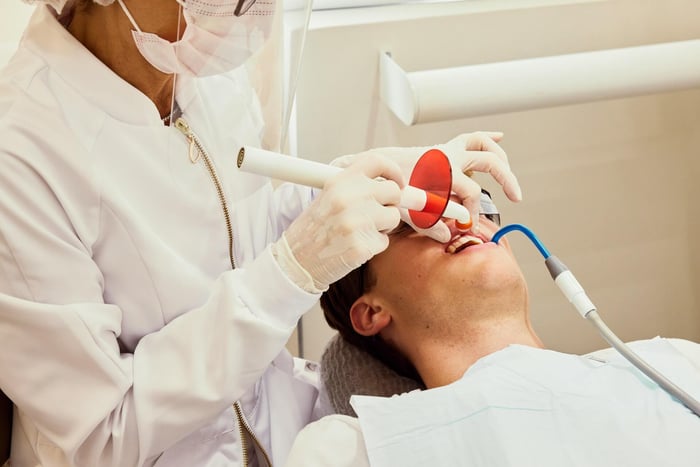
Root canal treatment often gets a bad reputation, mostly because of outdated ideas and misinformation. In reality, this procedure is a safe, routine way to stop pain and protect your natural tooth. With today’s advanced techniques, root canal therapy feels very similar to getting a regular filling.
At Care Dental Center, our Carson dental team focuses on precision, comfort, and clear communication. Every treatment uses proven methods and modern tools designed to relieve discomfort quickly and restore your tooth’s full function.
In this article, we’ll uncover common myths about root canals, explain what really happens during treatment, and help you feel more confident about taking the steps that keep your smile healthy for life.
Common Myths About Root Canal Procedures
Many people hold wrong ideas about root canals that keep them from getting the care they need. These beliefs often make the treatment seem worse than it is. Understanding the truth can help you make better choices about your oral health.
Belief That Root Canals Are Extremely Painful
You might think root canals hurt a lot, but that’s not true today. Modern tools and local anesthesia make the procedure nearly painless. Most patients feel little to no discomfort during the treatment.
After the procedure, you may have some mild soreness, similar to a regular filling. This can be managed with simple over-the-counter pain medicine. The pain you avoid by having a root canal is usually much worse than any temporary discomfort from the treatment.
Why Root Canals Don’t Hurt Like They Used To
According to the American Association of Endodontists (AAE), modern root canal treatments are performed with advanced anesthesia and digital instruments that make the procedure nearly painless. Most patients report feeling little to no discomfort and significant relief afterward.
Assumption That Tooth Extraction Is Easier
It might seem easier to just pull a tooth instead of getting a root canal. But removing a tooth creates new problems. Missing teeth can affect chewing and speech, and may lead to the shifting of other teeth.
Replacing an extracted tooth with implants or bridges adds time and cost to your care. Root canals save your natural tooth, preserving your jawbone and smile. The recovery from a root canal is usually faster and less complicated than from an extraction.
Misunderstanding About Root Canal Failure Rates
Some people believe root canals often fail and cause more trouble. In reality, root canals have a high success rate when done properly. Many last for many years with proper care.
If a root canal does fail, untreated decay or cracks in the tooth are often the reason. Follow-up treatments can often save the tooth even then. Good oral hygiene and regular dental visits are key to keeping the tooth healthy after treatment.
Fears and Anxieties Surrounding Treatment
Many people avoid root canal care because of worries about pain, complications, and long recovery times. These feelings often come from past experiences or stories they've heard. Understanding these concerns can help you feel more comfortable about treatment.
Dental Anxiety and Past Negative Experiences
You might feel nervous about root canals if you’ve had a painful or uncomfortable dental visit before. Fear of pain is the top reason many avoid needed care.
Dental teams now use gentle techniques and modern tools to reduce discomfort. Dentists give you clear information before and during the treatment, so you’re never left guessing.
Knowing what to expect and having control during the process can help ease your anxiety. Staff are ready to support you if you feel nervous, making sure your visit is as calm and comfortable as possible.
Concerns About Complications
It’s common to worry that root canal treatment might cause problems or make things worse. Some people think it can spread infection, but this is not true when done properly.
Root canals actually save teeth that might otherwise be lost. The treatment cleans out the infection inside the tooth and seals it to protect against future trouble. Your dentist will explain how they keep everything safe and check for any issues during follow-up visits.
Worries Over Treatment Length and Recovery
You might worry the root canal will take too long or stop you from your usual activities. Most root canal treatments are done in one or two visits. The procedure usually takes about one to two hours.
Recovery is often quick. You may feel some tenderness for a day or two, which can be managed with over-the-counter pain relievers. Your dentist will give you simple care tips to follow at home.
Knowing the schedule and what to expect after treatment can make it easier for you to plan and feel ready.
Financial and Time Misconceptions
Many people hesitate to get root canal treatment because they think it will cost too much, take too much time, or won’t be covered by insurance. These worries can stop you from fixing a problem that could save your tooth. Knowing the facts can help you make a better decision for your oral health.
Overestimating the Cost of Root Canal Care
You might expect a root canal to be very expensive. While it is an important procedure, the price is often less than what people think. Costs vary by case, but root canal care is often priced fairly and designed to fit your budget.
Paying for a root canal is often cheaper than dealing with extra treatments later, like removing a tooth or getting an implant. Many offices also offer payment plans or financing options to make the cost more manageable.
Misbeliefs About Insurance Coverage
You may assume your dental insurance won’t cover root canal treatment. This is not always true. Many insurance plans cover most or part of the cost because root canals help prevent bigger health issues.
It's a good idea to check your specific plan. You can call your insurance company or ask your dental office. They can often help you understand what part of the treatment is covered and what you may need to pay.
Assumption That Treatment Requires Multiple Visits
Some people think a root canal needs many long appointments. Actually, most root canal treatments can be done in one or two visits. New technology helps dentists work more efficiently, so your time in the chair is shorter.
If multiple visits are needed, the team will explain why and schedule appointments to fit your availability. This helps you get care without too much disruption to your routine.
Misunderstanding Long-Term Oral Health Impacts
Many avoid root canals because they don’t realize how saving a tooth helps their overall oral health. Waiting too long or skipping treatment can lead to bigger problems that might affect other teeth and your jaw.
Unawareness of the Importance of Tooth Preservation
Keeping your natural tooth is important for chewing, speaking, and keeping your smile looking its best. When you lose a tooth, nearby teeth can shift, which may cause bite problems or difficulty cleaning.
A root canal saves your tooth by removing infection while keeping its structure intact. This helps you avoid the need for more complex treatments like implants or bridges later.
Overlooking Potential Consequences of Delaying Care
Delaying root canal treatment lets infection spread, increasing pain and damage. This can lead to abscesses and bone loss, which might require extraction instead of saving the tooth.
When you wait, you risk losing not only the infected tooth but also facing higher costs and longer recovery. Early treatment helps protect your oral health and keeps your smile stable.
Influence of Social Media and Word of Mouth
Your ideas about root canal treatment often come from what you see or hear online and from people you trust. These sources can shape how you feel about the care you might need.
Impact of Misinformation Online
Social media can spread wrong ideas about root canals. Some posts say the treatment is painful or dangerous, which is not true with modern care. These messages focus on old stories or rare problems, leaving out facts about how root canals often save teeth and relieve pain.
You might see videos or comments that scare you, but many come from people without dental training. It helps to check with a trusted dentist if you’re unsure about what you read.
Effect of Anecdotal Stories from Friends and Family
Hearing about root canal experiences from friends or family can affect your willingness to get treatment. Sometimes, people share only their fears or difficult moments, not the entire experience. This can make the treatment seem worse than it is.
Remember, each case is different. What someone felt might not be what you will feel. Good dentists listen to your concerns and explain what to expect.
Restoring Comfort and Confidence Through Accurate Information
Root canal care is a proven, effective way to save natural teeth and stop infection before it causes serious problems. When you understand the facts, it’s easier to make confident choices about your oral health.
At Care Dental Center, we help Carson patients overcome fear through transparency, experience, and advanced care. Our team explains each step clearly, ensuring that you always feel informed and comfortable during treatment.
If you’ve been avoiding a root canal because of what you’ve heard, now is the time to learn the truth. Schedule your visit today to protect your smile with safe, reliable, and pain-free care.
Frequently Asked Questions
Many people worry about root canals. They want to know how to prevent them, what to expect, and if they are safe. These answers will clear up common concerns and help you make informed choices about your dental care.
What can I do to prevent the need for a root canal?
Good brushing and flossing habits are key. Regular dental checkups help catch problems early. Avoid sugary foods and drinks that cause decay.
Are there any effective home remedies to avoid root canal treatment?
Home care, like a saltwater rinse, can help with mild pain but won’t stop deep infections. Root canals fix serious problems that home remedies can’t heal.
What are the common myths about the pain associated with root canal therapy?
Many believe root canals are very painful. Actually, modern tools and gentle techniques make the procedure comfortable. Most patients feel relief after treatment.
Could a root canal procedure have negative impacts on my overall health?
Root canals are safe and do not harm your overall health. Treating an infection inside your tooth actually protects your body from bacteria spreading.
Is it possible that postponing a root canal could lead to more serious problems?
Delaying treatment can let the infection worsen. This may cause pain, swelling, or tooth loss. Early care helps avoid these issues.
Can choosing not to have a root canal treatment affect my heart health?
Untreated dental infections can spread bacteria to your heart. Promptly treating infections supports both your oral and heart health.