Dental implants have become one of the most trusted and advanced options for replacing missing teeth. They restore function, prevent bone loss, and look completely natural—all while protecting the health of your remaining teeth. But not everyone is automatically ready for the procedure.
At Care Dental Center, our Carson team uses 3D imaging and digital diagnostics to evaluate each patient’s bone strength, gum health, and medical history. This ensures your implant treatment is safe, predictable, and built to last for many years.
In this guide, you’ll learn who makes a good candidate for dental implants, how to prepare, and what steps to take before beginning your treatment plan.
What Are Dental Implants?
Dental implants replace missing teeth by acting like natural tooth roots. They provide a strong base for teeth that look and work like your own. Implants support chewing, speaking and help keep your jawbone healthy.
Components and Function
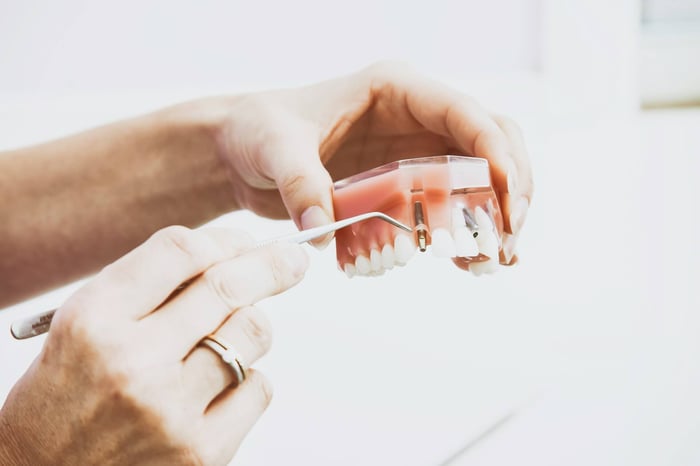
A dental implant has three main parts:
Implant post: A small titanium screw is placed into your jawbone, acting as the root.
Abutment: Connects the post to the crown.
Crown: The visible tooth-shaped part that you see and use.
The implant post fuses with your jawbone through osseointegration, keeping the implant stable. The crown sits on top, restoring your smile and bite. Implants don’t shift like dentures and feel natural. They also protect nearby teeth because they don’t rely on them for support.
Longevity of Dental Implants
Dental implants can last many years—often 20 years or more—with proper care. Your bone and gum health are key to implant success. Good habits like brushing, flossing, and regular dental check-ups keep implants healthy.
Avoid habits that harm teeth, like smoking or grinding. While the implant itself won’t decay, your gums can get infected if not cared for. Regular visits help keep your implant and mouth in great shape.
Eligibility Criteria for Dental Implants
To get dental implants, you need certain health and bone conditions to ensure the implants work well and last a long time. Your mouth and overall health are important in deciding if implants are right for you.
Oral Health Requirements
Good oral health is important before getting dental implants. You should have healthy gums free from infection or serious disease. Gum disease can cause implants to fail, so any issues need treatment first.
Your mouth should be clean and well cared for. Regular brushing, flossing, and dental check-ups help keep the area around the implant healthy. Cavities or other dental problems need to be fixed before placing implants.
Jawbone Density Needs
You need a strong jawbone to hold the implant securely. Implants are placed in the jawbone, so if the bone is too thin or weak, the implant may not stay stable.
Sometimes bone loss happens after tooth loss or due to age. In those cases, bone grafting may be needed to build up the jawbone before implant surgery. This adds time and healing but helps create a firm foundation.
Your dentist will take X-rays or 3D scans to measure your bone density. This step is key to planning a successful implant treatment that lasts.
General Health Considerations
Your body’s ability to heal affects dental implant success. Good overall health helps your jawbone grow around the implant and prevents infections. Certain health conditions can make healing slower or riskier.
Conditions like diabetes, autoimmune diseases, or smoking can impact implant outcomes. You should discuss all your medical history with your dentist so they can plan the safest treatment for you.
If you take medications that affect bone health or immune response, your dentist may recommend special tests or a care plan. Your general health is part of what makes you a good candidate for implants.
How Overall Health Affects Healing
According to the Mayo Clinic, medical conditions such as diabetes, autoimmune disorders, or smoking can slow healing after implant surgery. With careful management and collaboration between your dentist and physician, these factors can often be controlled to ensure successful results.
Ideal Candidate Characteristics
Knowing what makes someone a good fit for dental implants helps you see if this treatment is right for you. Lifestyle choices, oral care habits, and your goals for your smile all matter.
Non-Smokers
Not smoking is important if you want dental implants. Smoking slows down healing and increases the chance that your implant won’t bond well with your jawbone. This can lead to implant failure or complications like infection.
If you smoke, quitting before and after the procedure improves your chances of a healthy, lasting implant. Your dental team can help you understand how smoking affects your oral health and offer tips to make quitting easier during treatment.
Commitment to Oral Hygiene
Good daily care plays a big role in how well your implants do. You should brush twice a day and floss around your implant to keep your gums healthy and avoid infection.
Implants need care similar to natural teeth because bacteria and plaque can build up without proper cleaning. Staying consistent with dental check-ups and cleanings is also key.
Realistic Expectations
Understanding what implants can and cannot do helps you make a smart decision. Implants restore chewing ability and help maintain jawbone health, but they aren’t like natural teeth in every way.
Healing takes time and may require several appointments before your new tooth feels natural. Be aware of potential costs and ask your dentist any questions. Clear expectations help you feel confident and comfortable throughout the process.
Special Considerations and Exceptions
Dental implants work well for many people, but certain health and age factors can change how your treatment goes. The timing after tooth loss and how your body handles healing also matter a lot for success.
Managing Chronic Health Conditions
If you have diabetes, heart disease, or other long-term health problems, you might face extra challenges with dental implants. These conditions can slow healing or increase infection risks after surgery.
Your doctor and dentist can work together to check if your health is stable enough. Keeping blood sugar and other issues under control helps a lot.
Considerations for Older Adults
Age alone doesn’t stop you from getting dental implants. Many older adults have implants with great results. Bone loss can be more common with age. Your dentist might need to assess the strength of your jawbone carefully to see if it's ready for an implant.
If your bone is too thin, bone grafting may be needed first. You should also think about your overall health and ability to manage oral hygiene.
Implants After Tooth Loss
The time between losing a tooth and getting an implant matters. If you wait too long, your jawbone may start to shrink, making it harder to place an implant. Ideally, you get evaluated soon after tooth loss.
Sometimes implants can be placed right away, but if it’s been years, extra treatments like bone grafts could be necessary. Your dentist will explain what this means for your mouth and options to restore both function and smile appearance. Keeping your jawbone healthy early on helps your implant last longer.
Consultation and Evaluation Process
Before getting dental implants, you’ll go through a few important steps to see if they are right for you. This process looks at your teeth, jawbone, and overall health. It also helps create a clear plan for your treatment.
Initial Dental Assessment
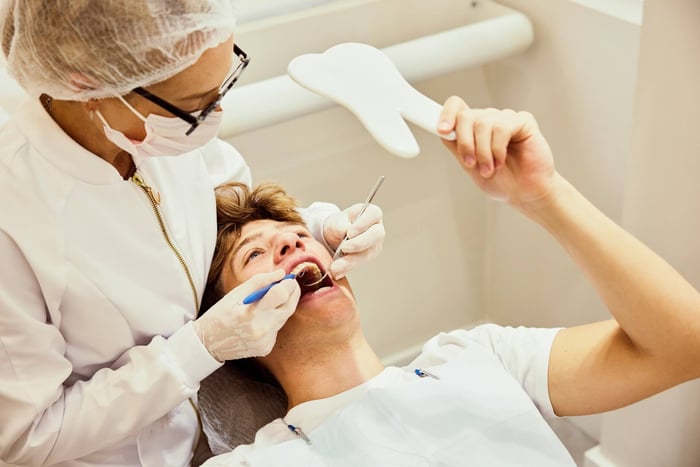
At your first visit, the dentist will check your dental health closely. They look for signs of gum disease, tooth decay, or infections that need to be treated first. The health of your gums is very important because they support the implants.
You’ll also talk about your medical history, including any conditions like diabetes or medications you take. These can affect healing. Your dentist will explain everything and answer your questions so you feel comfortable.
Diagnostic Imaging
Next, you’ll have dental X-rays or 3D scans. These images show the shape and density of your jawbone. Strong bone is needed to hold the implants securely.
If there isn’t enough bone, the dentist may suggest ways to add bone before placing implants. Imaging also helps the dentist see nerves and sinuses, so implants are placed safely and precisely.
Treatment Planning
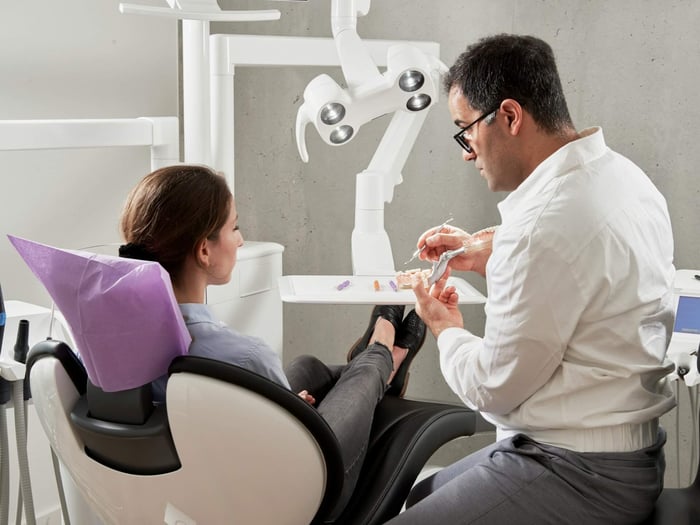
After the exam and imaging, your dentist will design a treatment plan just for you. This plan includes how many implants you need, where they will go, and how long it will take.
The plan also covers details like whether bone grafting or tooth extractions are needed first. You will get clear information about costs, steps, and what to expect.
Personalized Implant Care for Healthy, Confident Smiles
The best dental implant candidates share a few traits: healthy gums, strong jawbone support, and a commitment to long-term care. Even if you don’t meet all these conditions right away, modern treatments like bone grafting and gum therapy can prepare your mouth for successful results.
At Care Dental Center, we believe that every patient deserves a confident, functional smile. Our Carson team tailors every step—from evaluation to placement—to your needs, ensuring your implants feel comfortable, natural, and durable for decades.
If you’re considering dental implants, schedule your personalized consultation today. Our team will assess your oral health and guide you toward a treatment plan designed to restore your smile with strength and confidence.
Frequently Asked Questions
Dental implants depend on your overall health, jawbone quality, and dental hygiene. Some health conditions, age, and lifestyle choices can affect your chances for success. Here are answers to common questions to help you understand if implants are right for you.
What factors determine if someone is a suitable candidate for dental implants?
You need enough healthy jawbone to support the implant. Good oral hygiene and healthy gums are also important. Your dentist will check for conditions that might affect healing.
Are there any health conditions that might prevent someone from getting dental implants?
Certain conditions, like uncontrolled diabetes or cancer, can slow healing. Smoking or heavy drinking may also increase the risk of implant failure. Your dental team will review your medical history carefully.
How does age impact the suitability for dental implants?
There is no upper age limit if your bones and health are good. Young people must have fully developed jawbones before implants. Age alone is not usually a barrier.
Is it possible for dental implants to fail, and if so, what are the reasons?
Yes. Implants can fail if the bone doesn’t fuse properly or if infection develops. Poor oral care, smoking, or certain medical conditions can raise the risk of failure.
What are the possible alternatives if I am not a good candidate for dental implants?
Dentures or dental bridges are common alternatives. These options do not require surgery and can improve appearance and function. Your dentist will help you find the best choice.
Can mini dental implants be a viable option for some patients?
Mini implants may work if you have less bone available. They are smaller and less invasive but might not suit every case. Your dentist can tell you if they fit your needs.