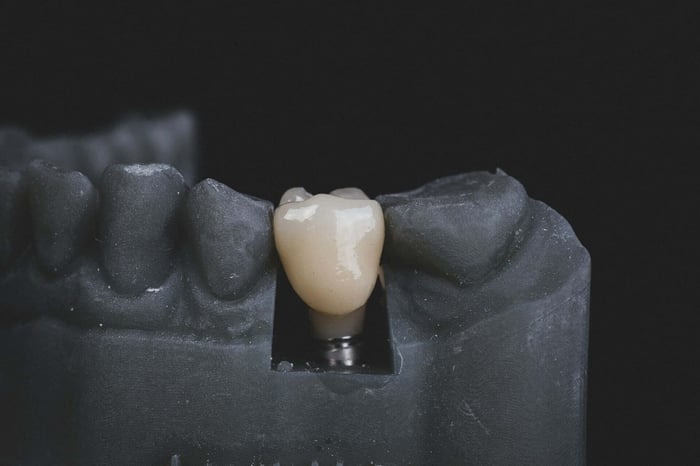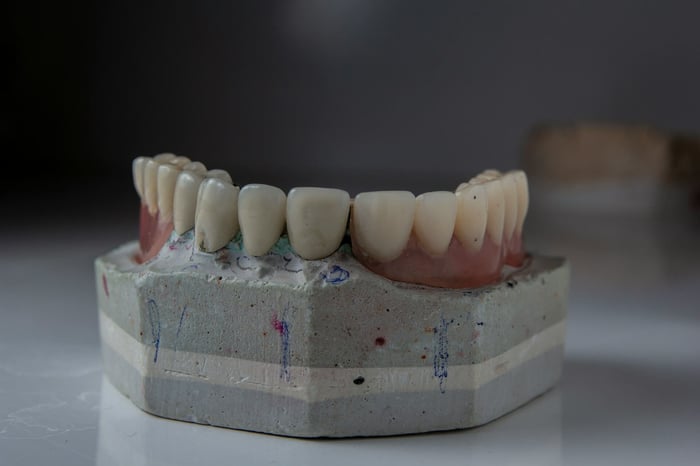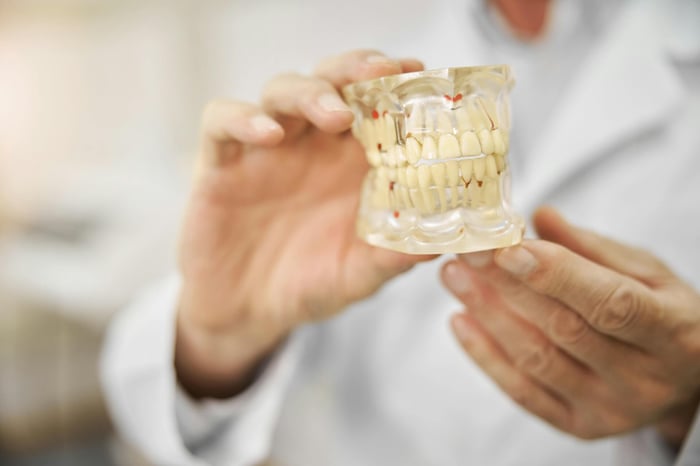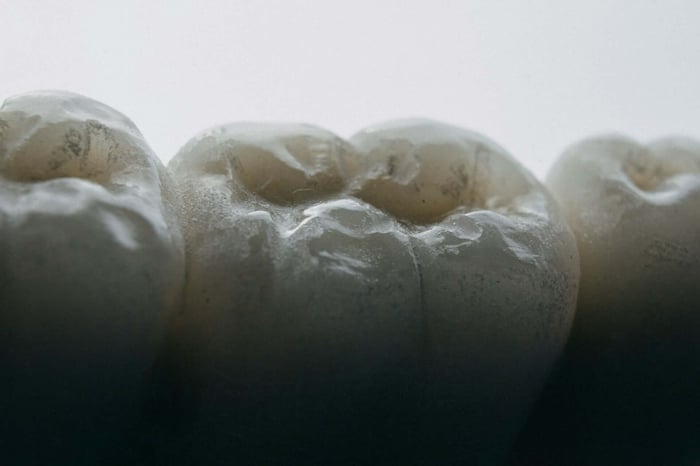
If you’re getting a dental crown, it’s natural to wonder how long it will last. On average, dental crowns in Carson can last 10 to 15 years or longer, depending on the materials used and how well you care for them. With the right habits, your crown can stay strong and beautiful for many years.
At Care Dental Center, our focus is on durable, comfortable restorations that help you maintain excellent oral health. Each dental crown is custom-made for a precise fit, designed to handle daily use while protecting the natural tooth underneath.
In this article, you’ll learn what affects crown durability, the most reliable materials, and simple daily practices to keep your smile healthy. Understanding these factors will help you protect your investment and enjoy your dental crown for years to come.
Understanding Dental Crown Durability
Understanding what affects your dental crown’s lifespan helps you care for it better. Materials, habits, and oral health all play a role. Crowns wear down over time, and dentists check their strength during regular visits.
What Influences Crown Longevity
Several things affect how long your crown lasts. The material matters most. Porcelain crowns look natural but may chip over time. Metal crowns are very strong but less common for front teeth. Your bite and chewing habits matter too.
Grinding or clenching teeth can wear down or crack crowns faster. Eating hard or sticky foods might damage the crown as well. Good oral hygiene protects your crown by reducing decay and gum disease. Regular dentist visits help catch and fix small issues early.
Common Reasons for Wear
Crowns wear out due to normal chewing, which happens slowly over the years. Tooth grinding puts heavy pressure on the crown. Crowns can loosen if the cement holding them weakens. Poor cleaning around the crown can cause decay under it, harming the tooth and shortening crown life.
Injuries or accidents may chip or crack a crown. If you notice discomfort or a rough edge, see your dentist. Early care prevents bigger problems and keeps your crown safe longer.
How Durability Is Measured
Durability is measured by how long a dental crown lasts without repair or replacement. Dentists use studies and patient records to estimate the average lifespan, usually 5 to 15 years or more. During checkups, dentists look for cracks, chips, or looseness.
X-rays help detect decay beneath the crown. Your dentist explains these checks so you know your crown’s condition. The crown’s strength depends on the material’s resistance to wear and impact. Porcelain-fused-to-metal crowns usually handle tough chewing better than all-ceramic types.
Types of Dental Crowns and Their Lifespans
Dental crowns come in different materials, each with its own lifespan and benefits. Knowing the right type helps you make a good choice for your smile and budget. Here are details about the most common kinds of crowns used in dental care.
Porcelain Crowns
Porcelain crowns look very natural and closely match your teeth. They are popular for fixing front teeth, where appearance matters most. These crowns resist stains but might chip if you bite hard objects.
On average, porcelain crowns last 10 to 15 years with good care. Avoid chewing ice or sticky foods to help them last longer. Dentists ensure a good fit to prevent wear on opposing teeth.
Metal Crowns
Metal crowns, made from gold or metal alloys, are very strong and last the longest among all crown types. They rarely chip or break and can last 20 years or more with proper care. Metals put less pressure on your teeth when chewing, protecting your natural bite.
These crowns do not blend with your teeth because of their metallic color. Dentists usually place them on back teeth, where strength matters more than looks. Metal crowns are also less likely to cause wear to opposing teeth.
If you need a durable crown for heavy chewing, a metal crown may work well for you.
Porcelain-Fused-to-Metal Crowns
Porcelain-fused-to-metal (PFM) crowns combine the strength of metal and the look of porcelain. The metal inside gives durability, while the outer porcelain layer matches your tooth color.
PFM crowns generally last 10 to 15 years. The porcelain part can chip or wear, but the metal underneath keeps the crown strong. Over time, the metal edge might show near your gum line if gums recede.
These crowns work well for both front and back teeth, offering a balance between appearance and toughness.
Local Factors Affecting Crown Durability for Carson Patients
Your dental crown’s lifespan depends on local factors you might not think about. What you eat and the climate where you live both influence how well your crown holds up over time.
Dietary Habits in Carson
Eating habits in Carson affect how long your dental crown lasts. Hard or sticky foods put extra pressure on the crown. Chewing ice, hard candy, or nuts might cause cracks or loosen the crown. Sugary snacks and drinks can lead to decay at the crown’s edges, weakening its hold.
Balancing your diet with softer foods like cooked vegetables, lean meats, and dairy helps. Drinking plenty of water supports your oral health by washing away food particles and sugars. Acidic drinks like sodas or citrus juices can wear down the crown’s surface and the tooth underneath.
Climate and Oral Health
Carson’s climate influences your oral health and crown durability. The mild coastal climate has temperature changes that affect your mouth. Dry air or low humidity might cause your mouth to feel dry more often. When saliva decreases, it’s harder to protect your teeth and crowns from decay and wear.
Cold air can make your teeth more sensitive, leading to habits like clenching or grinding—both risk factors for damaging crowns. Wearing a night guard can reduce this risk. Staying hydrated and using moisturizers for dry mouth helps keep your smile comfortable and your crowns lasting longer.
Proper Care to Maximize Crown Life
Good care helps your dental crown last longer and feel more natural. This includes daily habits, regular dental visits, and avoiding things that can damage the crown. Let’s look at these steps to help you protect your investment in your smile.
Daily Maintenance Strategies
Brush your crown twice a day with a soft-bristle toothbrush. Use non-abrasive fluoride toothpaste to prevent scratches and protect the tooth underneath.
Floss every day, but be gentle around the crown’s edges to avoid loosening it. Waxed floss may be easier to slide between teeth. Rinse with an antibacterial mouthwash to reduce plaque buildup. This lowers the chance of decay forming around the crown margins.
Regular Dental Visits
Visit your dentist every six months for check-ups and cleanings. The dentist reviews the crown’s condition and spots any problems early.
Professional cleanings remove hard plaque you can’t reach with daily brushing. This prevents decay and gum disease, which could threaten the crown’s fit. If your crown shows signs of wear or damage, the dentist can suggest repairs or replacements before bigger issues develop.
Avoiding Harmful Habits
Avoid chewing on hard items like ice, popcorn kernels, or hard candy. These can crack or chip your crown over time. Don’t use your teeth as tools for opening packages or biting nails. These habits increase the risk of damaging crowns and natural teeth.
If you grind or clench your teeth, talk to your dentist. They may recommend a night guard to protect your crown from extra pressure and wear.
Signs Your Dental Crown May Need Replacement
Knowing when your dental crown needs replacing helps protect your teeth and avoid discomfort. Watch for changes you can see and feel, especially if your crown feels different or looks worn.
Visible Wear or Cracks
Over time, crowns can show signs of wear, such as small chips or cracks. These issues happen because of regular chewing or habits like grinding your teeth. If you notice any rough edges, discoloration, or parts missing from your crown, it may not protect your tooth properly anymore.
Even minor cracks can let bacteria in, causing decay underneath the crown. Check your crown regularly in a mirror and tell your dentist if you see any damage. Early repair or replacement prevents pain and more serious problems later on.
Changes in Fit or Comfort
Your crown should feel snug and natural in your mouth. If it feels loose, tight, or starts to bother your gums, it may need replacing. Changes can happen if your tooth shifts or if the crown has worn down.
You might notice discomfort when biting or sensitivity to hot or cold foods. These feelings suggest your crown isn’t fitting right and might allow bacteria to enter. If your crown feels different or painful, schedule a visit so your dentist can check and make adjustments if needed.
When to Replace Your Dental Crown
Even with excellent care, crowns eventually need replacement. You may notice cracks, looseness, or sensitivity when biting. Replacing a crown promptly protects the tooth underneath and prevents infection. According to Mayo Clinic, regular crown evaluation helps ensure both the crown and supporting tooth stay strong and functional over time.
Keeping Your Crown Strong for the Years Ahead
Dental crowns are built to last, and with proper care, they can protect your teeth for over a decade. Good brushing, flossing, and regular checkups all play a role in keeping your restoration secure and functional.
At Care Dental Center, we provide durable, natural-looking crowns designed for long-term comfort and strength. Our experienced team helps Carson patients maintain healthy smiles by combining advanced materials with personalized dental care.
Schedule your next visit today to ensure your crown remains strong, smooth, and supportive for years to come. Gentle, consistent care keeps your restoration—and your smile—at its best.
Frequently Asked Questions
Dental crowns can last many years with the right care. Knowing how to protect your crown and understanding which materials work best can help you get the most from your investment.
How long can I typically expect my dental crown to last?
Most crowns last between 5 and 15 years. With good care, some can last even longer. The lifespan depends on how well you protect your teeth and your eating habits.
What can I do to help increase the longevity of my dental crown?
Brush gently twice a day and floss gently daily to keep your gums healthy. Avoid biting hard items like ice or hard candy. Regular dental visits help catch issues early.
Are there certain materials for dental crowns that are more long-lasting?
Porcelain-fused-to-metal and all-ceramic crowns look natural but may wear faster. Metal crowns last longer, especially gold or other alloys. Your dentist can help choose the best type for you.
What are common issues that could reduce the lifespan of my dental crown?
Grinding your teeth, poor oral hygiene, and chewing very hard foods can cause damage. Sometimes crowns loosen or cracks form, which need prompt attention.
How often should I have my dental crown checked by a dentist?
It’s best to have a dental checkup every six months. Your dentist will look at your crown and surrounding teeth to ensure everything stays healthy.
Can lifestyle choices affect the durability of my dental crown?
Yes. Smoking and eating sticky or sugary foods can harm your crown and gums. Drinking plenty of water and quitting tobacco help keep your mouth healthy and your crown safe.