Tooth pain, lingering sensitivity, or swelling around a tooth can be early warning signs that root canal therapy may be needed. This treatment helps save natural teeth from infection or deep decay before more serious issues develop. Recognizing symptoms early gives you a better chance to protect your smile and avoid more invasive care later.
At Care Dental Center, we focus on gentle, effective treatment designed to relieve discomfort and preserve your natural teeth. Our root canal procedures prioritize comfort, precision, and long-term dental health, helping Carson patients restore confidence in their smiles without unnecessary stress.
This article explains the most common signs that a root canal may be needed, what causes them, and why acting early makes treatment simpler and more successful. Understanding these details helps you know when to visit your dentist for timely, caring treatment.
Understanding Root Canal Therapy
Knowing what root canal therapy is, how it works, and when it might be needed can help you decide if this treatment is right for your dental health. This information shows how the process can save a damaged tooth and relieve discomfort.
What Is Root Canal Therapy?
Root canal therapy fixes a tooth with an infection or deep decay inside. Bacteria can reach the nerve and pulp, which is the soft tissue inside your tooth. Without treatment, infection can cause pain and swelling.
During root canal therapy, the dentist removes the infected pulp, cleans the inside of the tooth, and seals it to prevent further problems. This helps you keep your natural tooth instead of removing it. The goal is to relieve pain, stop infection, and restore the tooth's function so you can chew comfortably again.
How Root Canal Treatment Works
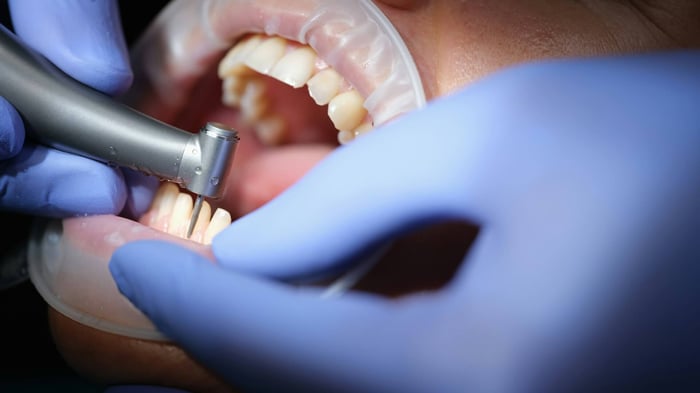
The dentist starts by numbing the area around the tooth to keep you comfortable. They make a small opening on top of your tooth to reach the infected pulp. Using special tools, the dentist removes all the damaged tissue from the tooth’s root canals and cleans the space thoroughly.
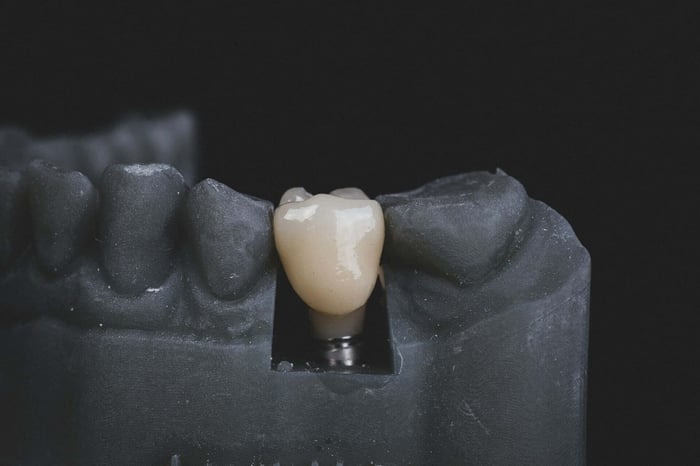
After cleaning, they fill the canals with a rubber-like material to seal them and prevent bacteria from returning. Finally, they cover the tooth with a crown or filling to protect it and restore how it looks and feels. This care helps the tooth stay healthy and strong for years.
When is a Root Canal Necessary?
You might need root canal therapy if you have:
Severe tooth pain that lasts or worsens
Sensitivity to hot or cold temperatures that lingers
Swelling or tenderness near the tooth
Darkening or discoloration of a tooth
A small pimple on your gums near the tooth
These signs mean the pulp inside your tooth could be infected or damaged. Your dentist will check your tooth and may use X-rays to decide if root canal therapy is the best option.
Most Common Early Signs a Root Canal May Be Needed
You might notice different signs when your tooth is hurting or acting strangely. These signs often mean the inside of your tooth, called the pulp, is damaged or infected. Knowing what to watch for helps you get care early and feel better sooner.
Persistent Tooth Pain
If you have a tooth that hurts all the time, even when you aren’t eating or touching it, this pain is a key sign you may need a root canal. The pain can be sharp, dull, or throbbing. It might get worse when you lie down or try to sleep.
This pain happens because the nerve inside the tooth is irritated or infected. If you ignore it, the problem can grow worse. Dentists focus on easing pain and fixing the cause so you don’t suffer longer than needed.
Sensitivity to Hot or Cold
A tooth that feels too sensitive to hot or cold drinks or food can be a signal. Normally, teeth feel some temperature changes, but if the feeling is strong and lingers after the hot or cold is gone, it should not be ignored.
This happens when the pulp inside the tooth starts to get damaged. Even something as simple as a warm drink can cause a sharp sting. If you notice this, your dentist can check to see if a root canal is the best way to protect your tooth.
Swelling or Tenderness in Gums
When the gums near a tooth get swollen or tender, this could mean infection inside the tooth. The swelling might look like a small bump or puffiness close to the tooth root. Sometimes, the area feels soft, sore, or even painful to touch.
This swelling happens because the infection can spread beyond the tooth’s pulp to the tissues around it. It’s important to visit a dentist so the infection can be treated early. You should not wait for the swelling to go away on its own.
Discoloration of the Tooth
A tooth that changes color, turning gray, brown, or black, can be a sign that it’s unhealthy inside. Discoloration might happen slowly or suddenly, often after an injury or deep decay.
This change happens because the nerve inside the tooth is dying. A dark tooth means it is not healthy and may need a root canal to save it. Your dentist will examine the tooth and recommend the right treatment to help restore its health and appearance.
Additional Warning Symptoms to Watch For
Sometimes, signs that you need root canal therapy go beyond pain. Paying attention to changes in your gums, breath, or how your mouth feels can help you catch problems early.
Recurring Pimples on the Gums
If you notice small pimples or bumps appearing again and again on your gums, this could mean there’s an infection near the tooth root. These pimples, called gum boils, often release pus. They may come and go, but usually signal that your tooth’s nerve is damaged or dying.
Ignoring these pimples can cause the infection to spread. Dentists recommend you get a checkup if you see these. Treatment can stop the infection and protect your tooth from damage.
Prolonged Bad Breath or Bad Taste
Bad breath or a bad taste in your mouth that doesn’t go away with brushing might mean you have a deep infection. Infected tissue in the tooth or gums releases bacteria, which causes these symptoms.
If your mouth smells bad all the time or you notice a foul taste that cleaning your teeth won’t fix, it’s a good idea to visit your dentist. Root canal therapy can remove the infection and help restore fresh breath.
Pain When Chewing or Touching
Pain that happens only when chewing or when you touch the tooth or gum near it can show the tooth’s nerve is inflamed. This type of pain might be sharp or feel like pressure. It usually means the infection is affecting the inner parts of the tooth.
If you have this discomfort, don’t push through it. Your dentist can examine the tooth and suggest root canal therapy if needed to save it from further damage.
Causes Leading to Root Canal Therapy
Several dental problems can damage the inside of your tooth, making root canal therapy necessary. Issues like deep decay, cracks, or even repeated dental work can affect the tooth’s nerve and blood supply. Understanding these causes helps you recognize when it’s time to visit your dentist.
Deep Tooth Decay
Tooth decay happens when plaque and bacteria eat away at the outer layers of your tooth. If decay grows too deep, it reaches the pulp—the soft tissue inside your tooth that contains nerves and blood vessels. Once the pulp is infected or damaged, you may feel sharp pain or sensitivity.
Ignoring deep decay lets the infection spread, making root canal therapy the best option. This treatment removes the infected pulp and saves your tooth. Early treatment can prevent the need for tooth removal.
Cracks or Chips in the Tooth
A crack or chip can open a path for bacteria to enter the tooth’s pulp. Even small cracks might cause discomfort or sensitivity, especially when chewing or when exposed to hot or cold foods. These breaks damage the protective barrier of the tooth.
If bacteria reach the pulp through a crack or chip, it can cause inflammation or infection. Root canal therapy cleans out the damaged pulp and seals the tooth to protect it. Getting treatment quickly helps avoid more serious issues.
The Role of Dental X-Rays in Root Canal Diagnosis
Dental X-rays help detect infections deep inside the tooth and around its roots that aren’t visible to the naked eye. They show areas of bone loss or inflammation, guiding precise treatment decisions. The Mayo Clinic notes that X-rays are crucial for diagnosing tooth infections early and avoiding unnecessary extractions.
Repeated Dental Procedures
Every time you have dental work, like fillings or crowns, your tooth undergoes stress. Multiple procedures on the same tooth can irritate the pulp or make it more vulnerable to damage. Over time, this can lead to pulp inflammation.
If you have had several dental treatments, you might notice increased sensitivity or mild pain. Root canal therapy can help save the tooth by removing the irritated tissue. Your dentist will explain how it protects your tooth’s health while keeping your smile intact.
Importance of Early Detection and Professional Diagnosis
Catching problems early can help protect your teeth and jaw from pain and more complex issues. Knowing when to visit your dentist and acting quickly makes treatment easier and helps you avoid bigger problems down the line.
Benefits of Early Intervention
When you notice early signs of trouble, like sensitivity or mild pain, getting help fast can save your tooth. Early treatment often means the repair is simpler and less invasive. You’re less likely to need major procedures or face constant discomfort. Early care also helps keep nearby teeth healthy and prevents infection from spreading.
Risks of Delaying Treatment
Waiting too long can lead to worse pain and serious infection. If root canal therapy is delayed, the infection may damage more of your tooth or bone. You might face swelling, abscesses, or even lose your tooth. Treatment will take longer and cost more. Ignoring painful or unusual tooth symptoms puts your oral health at risk and can affect your overall well-being.
When to Visit Your Dentist
See your dentist if you notice constant tooth pain, sensitivity to hot or cold, or swelling around a tooth. Pain that wakes you from sleep or lasts more than a day should be checked quickly.
Your dentist can diagnose problems with an exam and X-rays, making sure you get the right care. Regular checkups help spot issues early, even before you feel symptoms.
Protecting Your Smile Before Pain Grows
Recognizing the early signs of tooth infection can make all the difference in saving your natural tooth. When discomfort, swelling, or temperature sensitivity appear, timely care helps prevent more serious damage and restores your oral health quickly.
At Care Dental Center, we’re dedicated to providing gentle, effective root canal therapy. We focus on preserving your teeth and keeping you comfortable throughout treatment. Our advanced techniques allow faster healing and reliable results for lasting dental wellness.
Don’t wait until discomfort worsens—schedule a visit today for a caring evaluation. Early treatment can relieve pain, protect your tooth, and help you maintain a strong, healthy smile for years to come.
Frequently Asked Questions
Knowing the signs of tooth trouble and understanding the treatment process can help you feel more at ease. Here are clear answers to common questions about root canal therapy and related issues.
What are common symptoms indicating a root canal might be necessary?
You might notice a sharp or lingering toothache, sensitivity to hot or cold, or swelling around the tooth. Darkening of the tooth or pain when biting down can also signal a problem.
How do I distinguish between needing a filling and a root canal?
A filling is usually enough for minor decay or small chips. Root canal therapy is needed when the pulp inside the tooth gets infected or damaged, often causing intense pain or swelling.
Can you tell me about the recovery process after root canal therapy?
Recovery is generally quick. You may feel some soreness for a few days, but pain usually lessens over time. Following your dentist’s advice helps speed healing and keeps you comfortable.
Are there any side effects I should watch out for post-root canal treatment?
Mild pain and tenderness are normal at first. If you notice severe pain, swelling, or signs of infection, contact your dentist right away for care.
What steps are involved in the root canal treatment process?
The dentist will first numb the area to keep you comfortable. Then, they clean out the infected pulp, shape the inside space, and seal it to prevent further infection. Finally, they place a crown or filling to restore the tooth.
What could be causing my tooth pain, and might it require root canal therapy?
Tooth pain can come from cavities, infection, cracked teeth, or gum disease. If the pain is severe or lasts a long time, it might mean the tooth’s nerve is damaged, and root canal therapy could be needed.