If you’ve noticed that your teeth are crowded, gapped, or don’t meet quite right, orthodontic treatment can make a meaningful difference. Aligning your teeth isn’t just about creating a beautiful smile—it also supports better chewing, speech, and overall oral health.
At Care Dental Center, our team provides gentle, modern orthodontic care designed to fit your lifestyle. Using advanced tools like clear aligners and traditional braces, we help patients in Carson feel confident through each step of their treatment. Our approach focuses on comfort, communication, and lasting results.
In this guide, you’ll learn about the most common alignment issues orthodontics can improve, from crowded teeth to complex bite concerns. You’ll also discover how proper alignment benefits long-term oral health and daily comfort.
Common Alignment Issues Treated With Orthodontics
If your teeth feel crowded, have gaps, or your bite seems off, orthodontic treatment can help fix these issues. Proper alignment not only improves how your smile looks but also supports better chewing and oral health.
Crowded Teeth Correction
Crowded teeth happen when there isn’t enough space in your mouth for all your teeth to fit properly. This can make brushing and flossing hard, which may lead to cavities or gum problems. Braces or clear aligners gently move your teeth to create more room.
Modern orthodontic tools make adjustments comfortable. Creating space can also help ease jaw discomfort and reduce wear on your teeth. Step-by-step guidance helps you know what to expect throughout your treatment.
Spacing and Gap Closure
Gaps between your teeth can cause food to get stuck and might affect your speech or bite. Orthodontics can close these spaces to give you a more even smile and prevent future problems.
Different treatments work for different gap sizes. For small gaps, clear aligners may be enough. Larger gaps might need braces or additional dental work, with a focus on clear explanations and gentle care as your teeth shift.
Overbite and Underbite Solutions
An overbite happens when your top teeth stick out over your bottom teeth. An underbite is when your lower teeth extend past your upper teeth. Both can cause chewing issues, jaw strain, or uneven tooth wear.
Orthodontic treatments adjust how your jaws and teeth meet. This may include braces, aligners, or special appliances designed to guide jaw growth if needed. Your dentist will explain how each step helps improve function and appearance.
Understanding the Importance of Early Orthodontic Evaluation
Early orthodontic evaluations can detect alignment or bite problems before they become more complicated.
According to the American Association of Orthodontists, children should have their first orthodontic checkup by age 7 to guide proper jaw and tooth development. Early assessment helps prevent severe misalignment and may shorten future treatment.
Bite Irregularities and Jaw Alignment
Bite problems can affect how your teeth fit together and how your jaw moves. Fixing these issues can improve chewing, speaking, and reduce discomfort. Some common bite irregularities include crossbites and open bites; each needs different treatments to help your jaws work better.
Crossbite Adjustments
A crossbite happens when some upper teeth sit inside the lower teeth when you bite down. This can cause uneven wear on your teeth and even lead to jaw pain. If not treated, it might affect jaw growth, especially in kids and teens.
Braces or clear aligners gently shift your teeth into the right place. In some cases, special appliances can widen the upper jaw to correct the bite. Treatment is tailored to your needs and age, focusing on comfort and long-term function.
Open Bite Treatment
An open bite means your front teeth don’t touch when you close your mouth, leaving a gap that can make biting and speaking harder. This often happens from habits like thumb sucking or tongue thrusting, or jaw growth issues.
Orthodontic treatment can guide your teeth and jaw to close the gap. Braces or Invisalign align your teeth, while therapy or habit appliances may address the causes. Early treatment helps prevent extra wear and improves how your bite feels day to day.
Addressing Aesthetic Concerns in Carson
Your smile plays a big part in how you feel about yourself. Fixing alignment issues can help make your teeth look more balanced and improve how you present yourself. These changes can boost your confidence without needing complicated procedures.
Improving Smile Symmetry
When your teeth are uneven, or one side looks different from the other, it can make your smile less attractive. Orthodontic treatment can gently move your teeth to make both sides match better. This helps your smile look more even and natural.
Modern tools adjust teeth carefully. Whether you need braces or clear aligners, the treatment focuses on creating balance in your smile. This process improves how you look and helps your teeth fit together better, which is important for long-term health.
Aligning Midlines
The midline is an imaginary line between your two front teeth. When this line doesn’t match up with the center of your face or when upper and lower midlines do not line up, it affects how your smile appears.
Orthodontic solutions can shift teeth so that your midlines align properly. This can make your smile look straighter and more centered. Your dental team will create a treatment plan based on detailed exams to ensure the best outcome for your look and bite.
Correcting midline alignment helps improve aesthetics and function, giving you a more comfortable and balanced bite.
Orthodontic Solutions for Speech and Chewing Difficulties
Orthodontic treatment can help fix problems that make it hard to speak clearly or chew properly. When your teeth or jaw are not aligned well, it can affect how you use your mouth every day. These issues can be improved with the right care and support.
Enhancing Speech Clarity
Misaligned teeth or an uneven bite can cause speech problems like lisping or difficulty pronouncing certain sounds. Braces or clear aligners gently move your teeth into better positions, helping your tongue and lips work more naturally.
Improving alignment can also reduce air escaping in the wrong way when you talk. This adjustment often leads to clearer, more confident speech. Your orthodontist will tailor the treatment to your needs and explain how each step helps your speech improve.
Improving Chewing Efficiency
When your teeth don’t fit together well, chewing can become difficult or tiring. This can lead to uneven wear on teeth, jaw pain, or even digestive issues because food isn’t broken down properly.
Orthodontic care realigns your bite so your teeth meet correctly. This makes chewing easier and more comfortable. After treatment, you may notice less strain on your jaw muscles and better digestion.
Long-Term Health Benefits of Orthodontic Alignment
Aligning your teeth properly can make a big difference in keeping your mouth healthy. Straight teeth are easier to clean and protect, helping you avoid common problems that could cause pain and costly treatments later.
Reducing Risk of Tooth Decay
When your teeth are crooked or crowded, it’s harder to brush and floss all areas well. Food and plaque can get trapped where your toothbrush can’t reach. This increases the chance of cavities developing.
Orthodontic treatment moves teeth into better positions, so you can clean them more completely. This helps reduce bacteria buildup that causes decay. Your orthodontic care includes guidance on keeping your teeth clean during and after treatment for long-lasting protection.
Preventing Gum Disease
Misaligned teeth can irritate your gums because uneven biting puts more pressure on certain areas. This can cause inflammation and make gums bleed or pull away from teeth.
By correcting your bite and spacing, orthodontics reduces stress on your gums. It also makes flossing easier. Healthy gums lower your risk of gum disease, which can lead to tooth loss if untreated. Keeping your gums strong supports the health of your whole mouth over time.
Creating a Healthier, More Confident Smile
Orthodontic treatment can correct crowding, spacing, and bite issues while improving comfort and oral function. Aligned teeth not only enhance your smile’s appearance but also contribute to better long-term dental health.
At Care Dental Center, our Carson team provides compassionate orthodontic solutions tailored to your needs. With gentle techniques and clear communication, we make each step of your treatment feel comfortable and rewarding.
Ready to take the first step toward a balanced, confident smile? Schedule your consultation today and discover how personalized orthodontic care can make a lasting difference in your health and confidence.
Frequently Asked Questions
Orthodontic treatment can improve how your teeth look and work. Many options help fix crooked teeth and bite problems. The right age and treatment plan vary for each person.
How can braces correct crooked teeth?
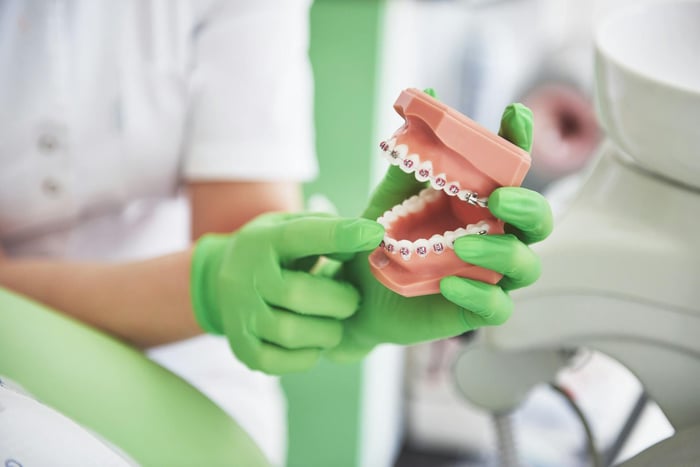
Braces apply steady pressure to move your teeth into the right place. Over time, this pressure realigns your teeth and improves your bite. The braces use brackets and wires to guide your teeth gently. Adjustments happen during regular visits.
Are there alternatives to braces for straightening teeth?
Yes, clear aligners are a popular option. They are removable and less noticeable than traditional braces. Other options include retainers and some types of appliances that shift certain teeth.
What age is most suitable for starting orthodontic treatment?
Many start treatment between ages 10 and 14 when most adult teeth have come in. But adults can also benefit from orthodontics. Your dentist will check your teeth and jaw to decide the best time to start.
Can clear aligners effectively treat bite issues?
Clear aligners work well for mild to moderate bite problems. They gradually move teeth with gentle pressure, like braces. However, severe bite issues may need braces or other treatments for better results.
What are the benefits of correcting dental alignment at an early age?
Early treatment can guide jaw growth and prevent more serious problems. It may reduce treatment time later. Fixing alignment early can also improve chewing, speech, and confidence in your smile.
How long does typical orthodontic treatment take to complete?
Orthodontic treatment usually lasts 12 to 24 months. The exact time depends on how severe your alignment issues are. Regular check-ups help keep your progress on track and make sure you stay comfortable during treatment.