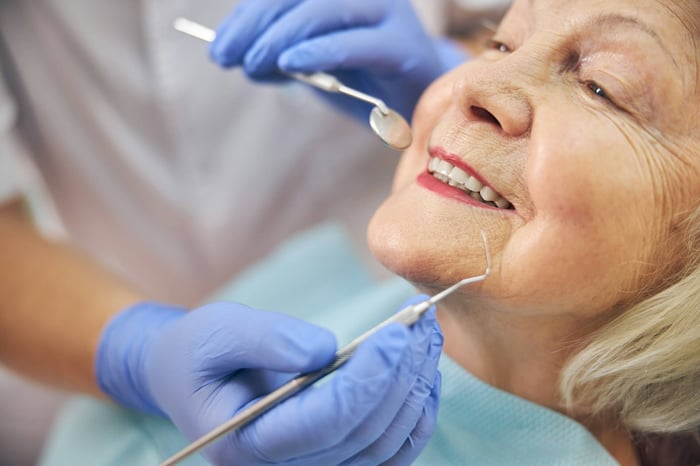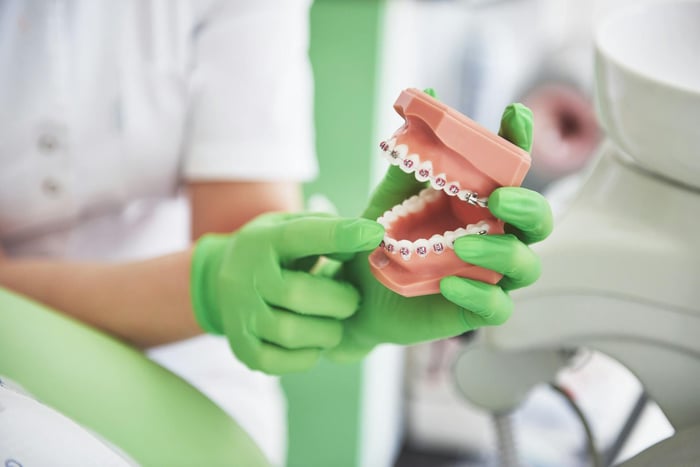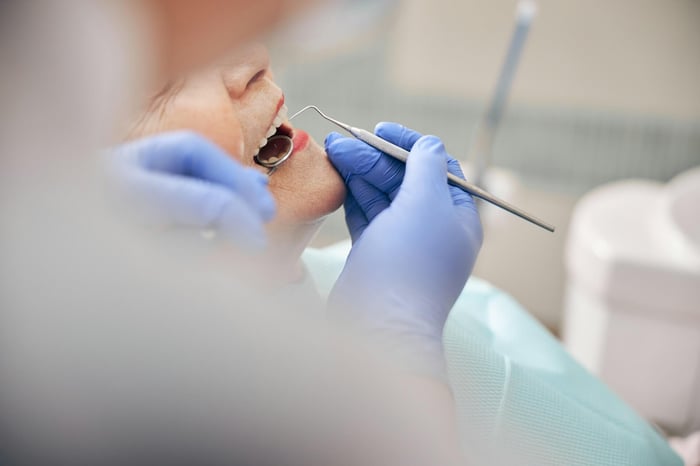
An early orthodontic evaluation can have a lasting impact on your child’s dental health and confidence. By checking jaw and tooth development early, parents can prevent future bite or spacing issues before they become more complex.
At Care Dental Center, we offer gentle, family-friendly orthodontic evaluations in Carson to help children start off right. Our modern tools and caring approach make visits easy and stress-free, giving parents clarity and peace of mind about their child’s oral health.
In this article, we’ll explain what happens during an early orthodontic evaluation, why experts recommend scheduling it by age seven, and how early care supports lifelong dental wellness.
What Is Early Orthodontic Evaluation?
Early orthodontic evaluation is a check-up that can spot potential teeth or jaw problems in kids. It helps you understand your child’s oral health early on and decide if treatment is needed to guide their smile’s growth.
This evaluation covers what it is, when your child should have it, and what to expect during the visit.
Definition and Scope
Early orthodontic evaluation means looking at your child’s teeth and jaw before all adult teeth come in. The goal is to see if any issues might affect how their teeth develop or fit together.
It checks for problems like crowded teeth, bite issues, or jaw growth concerns. The evaluation is not a full treatment but a way to catch and plan for problems early. This process is gentle and friendly, making your child comfortable while assessing their dental health.
Early detection can help prevent more serious issues later, making treatment simpler and faster if needed.
Recommended Age for Assessment
Experts suggest that children have their first orthodontic check-up by age 7. By this age, enough adult teeth have started to grow, giving a good picture of how their teeth and jaws are developing.
Early visits let your dentist spot problems like misaligned bites or spacing issues before they get worse. If treatment is needed, starting early can guide jaw growth and avoid longer, more complex procedures later.
Scheduling this evaluation around age 7 gives your child the best chance to grow a healthy, comfortable smile.
Why the Age of Seven Matters for Orthodontic Evaluations
The American Association of Orthodontists advises that children should have their first orthodontic checkup by age seven.
At this stage, permanent teeth begin emerging, and dentists can identify developing bite or spacing issues. Early detection ensures simpler and more effective care when adjustments are needed.
Overview of the Evaluation Process
The evaluation is simple and usually takes about 30 to 45 minutes. Your child will sit comfortably while the orthodontist examines their teeth, jaws, and bite. The dentist may take X-rays or photos to see the bone and tooth positions clearly.
They also check how your child’s teeth come together when biting and if their jaw moves easily without pain. After this, the orthodontist explains what they found and whether your child might need treatment now or later. You get clear information so you can decide the best care for your child’s smile.
Key Benefits for Younger Patients
Getting an early orthodontic checkup can help with jaw development, tooth growth, bite issues, and alignment. It makes future treatments easier and supports healthy teeth habits. Early care helps your child avoid bigger problems later on.
Guiding Jaw Growth
When your child’s jaw is still growing, gentle orthodontic guidance can help shape it properly. This can prevent issues like overcrowding or uneven bite patterns. By monitoring how the jaw develops early, you reduce the need for more intense treatments later.
Careful guidance can promote balanced jaw growth. This helps teeth fit better as they come in and supports proper facial structure.
Reducing Risk of Future Dental Issues
Early orthodontic exams help spot problems that could cause pain or damage later. For example, crowded teeth can be harder to clean and may lead to cavities or gum disease. Fixing alignment early lowers these risks.
Correcting issues now can prevent habits like teeth grinding or abnormal chewing. It also makes sure your child’s smile stays healthy and strong. Catching problems early means treatment is often quicker and gentler, helping your child stay comfortable during visits.
Facilitating Healthy Tooth Eruption
As children’s adult teeth grow in, they need enough space to come through correctly. Early orthodontic checks track this process to avoid teeth getting stuck or coming in crooked. When the jaw is properly guided, teeth have a better chance of emerging in the right place.
If teeth don’t come in properly, it can affect speech or eating. Early monitoring lets the dentist fix these issues before they cause trouble. This support encourages a smooth transition from baby to adult teeth with fewer complications.
Improving Bite and Alignment
A good bite helps with chewing, speaking, and overall mouth health. Early orthodontic treatment can fix bite problems like overbite, underbite, or crossbite. These issues sometimes go unnoticed until they cause discomfort or difficulty.
Fixing your child’s bite early helps teeth meet properly and reduces strain on jaw muscles. This can improve how your child speaks and eats. Proper alignment also makes cleaning easier, supporting healthy gums and teeth.
Prevention and Early Intervention
Early orthodontic checks help spot issues before they become harder to fix. You can protect your child’s smile and avoid bigger problems with timely care.
Identifying Problems Before They Worsen
When you bring your child in for an early orthodontic evaluation, the dentist can find problems like crooked teeth or jaw misalignment sooner. This means the issue can be treated while your child’s bones and teeth are still growing.
Fixing problems early often means less pain and fewer dental visits later. Early visits detect habits like thumb sucking or mouth breathing that affect teeth. Gentle exams look closely without stress, making it easier to plan treatment that fits your child’s needs.
Impact on Speech Development
Teeth and jaw alignment affect how your child talks. When teeth don't line up right, it can cause speech difficulties, like lisping or trouble pronouncing certain sounds. Early orthodontic care can help by guiding jaw growth to support clear speech.
Treating bite problems early can improve speech and prevent frustration for your child. If speech challenges are noticed, your dentist can recommend ways to help alongside orthodontic treatment. Supporting proper speech gives kids confidence in school and social settings.
Minimizing Need for Complex Treatments
Starting orthodontic care early can reduce or even avoid the need for complex treatments later on. Early intervention guides growth to prevent severe crowding or jaw issues from getting worse.
This means your child might avoid longer braces wear or surgery. Addressing problems in stages lets the treatment work with natural growth, making it gentler and simpler. Early care often leads to faster results and less time in the dental chair.
Long-Term Oral Health Advantages
Starting orthodontic care early can improve how your child feels about their smile. It also makes future treatments easier and helps keep teeth healthy for life. These benefits build a strong foundation for your child’s dental health.
Enhancing Self-Confidence
When your child’s teeth grow in alignment early on, they are more likely to feel good about their smile. This confidence can affect school, social activities, and overall self-esteem. Early evaluation detects issues that could cause crooked teeth or bite problems, helping prevent them before they become obvious.
Correcting problems early means fewer setbacks as teeth and jaws develop. Your child’s smile will look natural and balanced, which supports feeling proud and comfortable in social settings.
Simplifying Future Orthodontic Care
Early checks can spot issues like crowding or jaw misalignment before they worsen. Addressing these problems early often reduces how length of braces or other orthodontic work needed later. Treatments can be less complex, making visits shorter and more comfortable.
Starting early also means orthodontists can guide permanent teeth into better positions as they come in. This guidance avoids more invasive procedures or extractions later. Preparing your child’s mouth early creates a smoother path for future dental care.
Supporting Lifelong Dental Wellness
Taking care of orthodontic needs early supports healthy teeth and gums long-term. Straight teeth are easier to clean, lowering the risk of cavities and gum disease. Properly aligned bites reduce wear and strain on teeth, protecting them through adulthood.
Early treatment also encourages good oral habits. When your child understands their dental health at a young age, they are more likely to maintain care as they grow.
What to Expect During an Early Evaluation
During an early orthodontic evaluation, you can expect a gentle, clear process designed to check your child's jaw, teeth, and bite. The team will gather important information using comfortable tools, then share simple recommendations about any care your child might need.
Pre-Visit Preparation
Before your child’s visit, it’s helpful to bring any past dental records or X-rays if you have them. You don’t need to do much else to prepare, but make sure your child has brushed their teeth so the orthodontist can see clearly. It’s normal to feel a little nervous, but the dental team will make your child feel comfortable and safe.
Try to explain the visit as a friendly check-up. This helps reduce any worries and makes the experience easier for young patients. If your child has questions or concerns, bring them along so the team can answer before starting.
Common Diagnostic Tools Used
The evaluation usually involves several simple tools to look at your child's mouth. First, the orthodontist will do a visual exam, checking the teeth, bite, and jaw alignment. They might take photos or digital X-rays to get a clearer picture of how your child’s teeth are developing.
Sometimes, the team uses a small scanner or impressions to create a model of your child’s mouth. These tools help the orthodontist see if there is enough space or if teeth are coming in the right way. Each step is quick and painless for your child.
Typical Recommendations After Assessment
After the exam, you’ll hear the findings clearly and without pressure. The orthodontist will explain if early treatment is needed or if waiting is best. In some cases, they might suggest space maintainers or simple appliances that can guide jaw growth.
If immediate treatment isn’t necessary, you’ll get a plan for regular check-ups to watch your child's growth. If treatment is needed, the team will talk through options, timing, and costs. You always have time to ask questions to feel confident about the next steps.
Give Your Child a Confident Start with Early Orthodontic Care
Scheduling an early orthodontic evaluation gives your child a strong foundation for healthy, well-aligned teeth. Early care can prevent complex treatments later, improve comfort, and support proper jaw growth and function.
At Care Dental Center, we provide gentle orthodontic evaluations in Carson focused on comfort, education, and clear communication. Our team helps guide your child’s smile development while keeping the process simple and positive.
Help your child grow up with confidence and healthy habits. Schedule an orthodontic evaluation today to start their journey toward lifelong oral wellness.
Frequently Asked Questions
Early orthodontic care can help guide your child's teeth and jaw growth. It may prevent serious problems and make later treatments easier or shorter.
What are the pros and cons of starting orthodontic treatment early for children?
Starting early can fix problems before they get worse. It can help with jaw growth and spacing. But, it may mean two stages of treatment and a longer time in braces.
At what age should a child first see an orthodontist for an evaluation?
The American Association of Orthodontists recommends a visit by age 7. An orthodontist can find issues while both baby and adult teeth are present.
How can early orthodontic intervention benefit my child's dental development?
Early care guides teeth into better positions and improves bite function. It reduces crowding and lowers the chance of trauma to protruding teeth.
Can orthodontic treatment still be effective if started later in life, such as age 30?
Treatment works well for adults. Teeth and bone can still move safely. Methods may differ, and treatment might take longer than for children.
What types of orthodontic issues can be addressed with interceptive treatment during childhood?
Crossbites, crowding, and jaw misalignment can be treated early. Interceptive care also helps correct habits like thumb sucking that affect tooth growth.
How does the use of a palate expander in young children influence later orthodontic treatment needs?
A palate expander widens a narrow upper jaw. This creates space for teeth and improves bite alignment. Using a palate expander early may reduce the need for tooth extractions or extensive braces later.