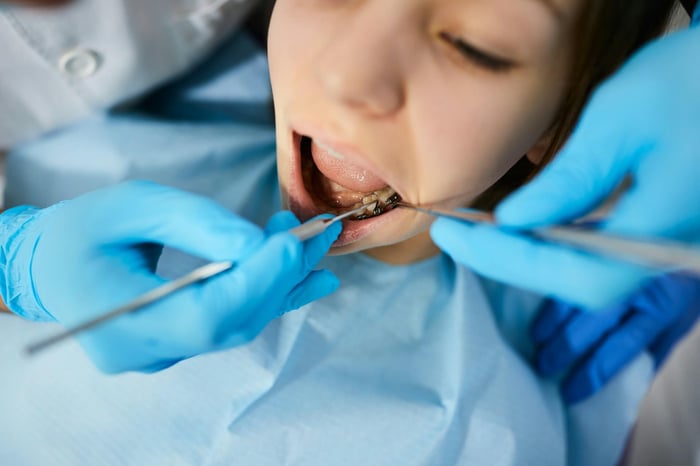
Do you really need an orthodontist for Invisalign®, or can a general dentist handle it too? That question comes up a lot, especially for adults exploring clear aligners for the first time. The answer depends less on the title and more on your specific smile needs.
At Care Dental Center, patients receive clear explanations, personalized treatment planning, and guidance that focuses on long-term oral health. Modern imaging and careful evaluations help determine whether Invisalign® is the right fit and how complex the case may be.
This guide explains the difference between dentists and orthodontists for Invisalign® treatment, which cases may need specialist oversight, and what questions to ask before starting. You’ll also learn why provider experience matters just as much as credentials in many cases.
When a Dentist for Invisalign® Can Be a Good Fit
Plenty of general dentists have completed Invisalign® training and treat patients with clear aligners. If your alignment goals are mild to moderate and your bite’s healthy, a well-trained dentist could be a great pick. They often know your dental history, which can help them personalize your plan.
When an Orthodontist for Invisalign® Makes More Sense
Orthodontists bring years of specialized training in how teeth and jaws move together. For complex cases—crowding, bite corrections, jaw alignment—this extra knowledge can really impact your results.
Why the Right Choice Depends on Your Smile, Not Just the Provider Title
Titles don’t guarantee the outcome. A dentist with tons of Invisalign® experience might handle moderate cases better than a new orthodontist, and vice versa. Your smile is unique. The provider’s real-world experience with cases like yours matters just as much as their credentials.
Why Invisalign® Experience Matters More Than Many People Realize
Invisalign® treatment involves more than simply wearing clear trays. Tooth movement affects bite alignment, spacing, and long-term function, so planning matters throughout the process. Providers with more Invisalign® experience often recognize tracking issues or bite changes earlier during treatment.
The American Association of Orthodontists explains that orthodontic treatment planning requires careful evaluation of tooth movement and bite relationships. Experience with different case types can make treatment adjustments more precise over time.
How Dentists and Orthodontists Bring Different Training to Tooth Movement
Both dentists and orthodontists can offer Invisalign®, but they get there via different paths. Understanding what each brings to the table helps you choose with more confidence.
What General Dentists Are Trained to Handle
General dentists finish dental school and get broad training in oral health. Some take extra Invisalign® courses and become certified for clear aligners. A family dentist who’s treated lots of Invisalign® cases can handle mild to moderate alignment issues pretty well.
What Extra Orthodontic Training Adds
Orthodontists spend two or three more years in residency after dental school. They focus on tooth movement, bite development, and jaw alignment. That depth is why people often recommend an orthodontist for cases involving more than basic spacing.
Why Invisalign® Experience Matters Along With Credentials
Invisalign® experience isn’t just about having a certificate. It’s about how many cases someone’s handled, what kinds of problems they’ve solved, and how they react when things don’t go as planned. When you pick a provider, ask about their case volume and the types of cases they usually see.
Someone who’s treated hundreds of Invisalign® cases is more likely to spot issues early and adjust the plan as you go. Credentials get you in the door; experience shapes your results.
Cases That Are Usually Fine for a General Dentist
Not every smile needs a specialist. For many people, a skilled Invisalign® dentist can deliver excellent results. The key is an honest assessment at the start.
Mild Spacing and Cosmetic Teeth Alignment Goals
If you’re worried about a small gap or minor crowding that doesn’t affect your bite, a general dentist can often help. These cosmetic alignment goals are within reach for many experienced Invisalign® dentists. Clear aligners can transform your smile without needing a specialist.
Mild to Moderate Alignment Problems That Often Respond Well
Mild to moderate alignment issues, like slightly rotated teeth or light crowding, are common for Invisalign® dentists.
If your bite isn’t involved and the tooth movement is straightforward, a dentist can usually handle it just fine. These cases are predictable, and Invisalign®’s digital planning tools make things easier.
When Convenience With a Family Dentist May Help
Seeing your family dentist for Invisalign® can make life simpler. You already know the office, the staff knows your history, and you can combine check-ins with cleanings. For mild cases, this convenience is a real plus.
Scenario | Likely Provider Fit |
Small gap between front teeth | General dentist |
Minor crowding, no bite issues | General dentist |
Moderate spacing with a healthy bite | General dentist |
Significant crowding or rotation | Orthodontist |
Bite correction needed | Orthodontist |
Jaw alignment concerns | Orthodontist |
Signs Your Smile May Benefit From Specialist Oversight
Some smile problems go beyond what Invisalign® alone can fix easily. If you have bite issues, jaw alignment, or a lot of crowding, an orthodontist might be the safer choice. These cases need more detailed planning and close monitoring.
Bite Issues That Need Careful Planning
Bite problems like overbite, underbite, or crossbite affect how your teeth fit together. Moving teeth without correcting the bite can create new problems. Orthodontists are trained to map out how each movement affects your bite as you go.
If your teeth don’t meet evenly or your jaw feels off when biting, mention it during your Invisalign® consult. Bite misalignment isn’t always obvious, so a thorough exam should catch what you can’t see.
Jaw Alignment Concerns and Functional Changes
Jaw alignment issues go beyond looks. If your upper and lower jaws don’t line up, fixing it may need more than just moving teeth. Orthodontic treatment here requires careful coordination between teeth and jaw position. That’s where specialist training really matters.
Crowded Teeth, Severe Misalignment, and Malocclusion
Severely crowded teeth or malocclusion need precise sequencing. A small mistake in a crowded arch can really impact the final result. Orthodontists who handle these cases regularly have the experience to plan and adjust as things progress.
Bite misalignment, like overbite, underbite, or crossbite
Jaw alignment issues that affect how your mouth works, not just how it looks
Severely crowded teeth needing detailed movement
Malocclusion with several teeth out of place
Cases where braces might be better
Cost, Convenience, and Treatment Options to Compare
Cost and how your care is managed are worth thinking about before you commit. These factors can shape your whole experience, not just the end result.
How the Cost of Invisalign® Can Vary by Case Complexity
Invisalign® pricing isn’t one-size-fits-all. Mild cases with fewer trays usually cost less than complex cases with more movement and longer treatment. Whether you see a dentist or orthodontist, your case’s complexity drives the cost.
Some providers offer different Invisalign® tiers, like Invisalign® Lite for simpler cases. Asking about your treatment scope helps you understand both price and timeline before you start.
Office Availability, Follow-Ups, and Monitoring Style
How often you need to come in and how your progress is tracked varies by provider and case. Some offices check in every six to eight weeks; others may want you back more often if things are tricky. Think about how the office fits your schedule—do they offer evenings or weekends?
Follow-ups aren’t optional. They let your provider catch small problems before they grow. Regular monitoring is key to safe, effective Invisalign® treatment.
When Traditional Braces or ClearCorrect May Enter the Conversation
Not every case suits Invisalign®. Some bite corrections or severe crowding do better with traditional braces or another clear aligner like ClearCorrect. A good Invisalign® provider will tell you honestly if another option would work better for your smile.
Factor | What to Consider |
|---|---|
Case complexity | Changes cost and tray count |
Provider experience | Impacts how well your case is planned |
Follow-up frequency | Depends on your case and the office |
Alternative options | Braces or ClearCorrect might be better for some |
Insurance and payment plans | Check your coverage before starting |
Questions to Ask Before You Commit to Any Provider
Whether you’re choosing a dentist or orthodontist for Invisalign®, asking good questions up front gives you a clearer picture. You deserve real answers before you start any orthodontic treatment.
How Many Invisalign® Cases Have You Treated?
Invisalign® experience builds over time and with variety. Someone who’s handled lots of cases has seen all kinds of complications and outcomes. Ask about cases like yours—not just the total number.
Invisalign® recognizes providers by experience, with tiers based on how many cases they’ve completed. A higher-tier provider has usually handled trickier cases, which can be a helpful clue when you’re weighing your options.
How Will You Evaluate Bite and Jaw Concerns Before Starting?
Any solid Invisalign® consult should include a bite assessment, not just a look at your teeth. Ask what tools they’ll use—X-rays, 3D imaging, digital scans? A provider who checks bite and jaw alignment first is more likely to spot problems that could affect your results.
This question also shows how thorough your provider is. A good one will welcome it and explain their process in detail.
What Happens If Invisalign® Is Not the Best Option?
It's a big question, honestly. If someone only offers Invisalign®, can you trust their advice about whether it's right for you? Ask them if traditional braces, ClearCorrect, or some other method might actually work better.
And pay attention to how they answer—do they seem open and honest, or just trying to sell you what they have?
Look for a provider who cares about your long-term smile, not just pushing one treatment. If they're upfront about alternatives, that's a good sign you'll get thoughtful care from start to finish.
How many Invisalign® cases do you handle each year?
What do you include in your first evaluation for bite and jaw health?
Do you offer other options if Invisalign® isn't right?
How often do you check my progress?
What if my teeth stop tracking the way they should?
Are there payment plans or financing choices?
Picking between a dentist and an orthodontist for Invisalign® doesn't have to be overwhelming.
Start with a real conversation, ask these questions, and notice if they listen to what you want. The right provider—dentist or orthodontist—should leave you feeling informed, supported, and ready to start your journey to a straighter smile.
Choosing the Right Invisalign® Provider for Your Smile
You do not always need an orthodontist for Invisalign® treatment, but the right provider should understand your bite, alignment, and long-term oral health goals before moving teeth. Some cases are fairly simple, while others benefit from more advanced orthodontic planning and monitoring.
At Care Dental Center, patients receive supportive Invisalign® evaluations designed to feel informative, comfortable, and easy to understand. Whether treatment involves mild spacing or more complex alignment concerns, careful planning and clear communication help patients feel more confident throughout the process.
If you are considering Invisalign® treatment, schedule your visit today for gentle, patient-focused care. A consultation can help you understand which treatment approach best fits your smile and daily routine.
Frequently Asked Questions
Can a regular dentist provide Invisalign® treatment?
Yes, general dentists can complete Invisalign® training and provide clear aligner treatment. Many dentists successfully treat mild to moderate alignment concerns with Invisalign®. More complex bite or jaw issues may sometimes require specialist oversight.
Is Invisalign® only for mild cases?
Invisalign® can treat many different alignment concerns, including some moderate and complex cases. Treatment success depends on careful planning, patient consistency, and provider experience. Severe bite or jaw issues may still require different orthodontic approaches.
How do I know if my Invisalign® case is complex?
Crowding, bite problems, jaw discomfort, or major tooth rotation may point to a more complex case. Digital scans and imaging help providers evaluate these concerns more accurately. A consultation is the best way to understand treatment complexity.
What questions should I ask during an Invisalign® consultation?
Patients should ask about the provider's experience, imaging methods, treatment length, follow-up visits, and alternative options if Invisalign® is not ideal. Understanding the provider’s approach often helps patients feel more informed before starting treatment.
Does Invisalign® work faster than braces?
Treatment time depends on the complexity of the case and how consistently aligners are worn. Some Invisalign® cases move quickly, while others take a similar amount of time as braces. Your provider can explain a more personalized timeline during the consultation.