Regular visits to a pediatric dentist do much more than clean your child’s teeth — they build a foundation for lifelong oral health. Every checkup offers a chance to prevent cavities, track jaw growth, and make dental care a comfortable routine instead of a stressful event.
At Care Dental Center, our gentle, kid-friendly approach helps children feel safe and supported from their very first visit. Using advanced imaging, soft-touch tools, and calm communication, our Carson team ensures each appointment supports healthy habits and a confident smile.
In this guide, you’ll learn why pediatric dental checkups matter, how early visits protect your child’s teeth and gums, and the benefits of professional monitoring for growth, hygiene, and overall wellness.
Key Takeaways
Specialized pediatric care prevents small problems from becoming big ones.
Early visits teach habits that protect oral health over time.
Gentle checkups reduce fear and make dental care routine.
Expertise and Specialized Care in Pediatric Dentistry
Pediatric dentists bring extra training, tools, and a calm way of working to help your child from first tooth to teen years. You get care that focuses on growth, comfort, and prevention tailored to a young mouth.
Qualifications and Training of Pediatric Dentists
Pediatric dentists complete dental school and then 2–3 more years of specialty training in child-focused care. That training covers baby and adolescent tooth development, behavior guidance, trauma management, and treating children with special health needs.
They spot early signs of misalignment, enamel problems, and growth patterns that can affect speech and chewing. The dentist knows when to refer to an orthodontist or other specialist early, often reducing future treatment.
Training in pediatric sedation and emergency care means your child can receive safe, appropriate pain control and urgent treatment when needed, all from a professional experienced with kids.
Child-Friendly Approach and Environment
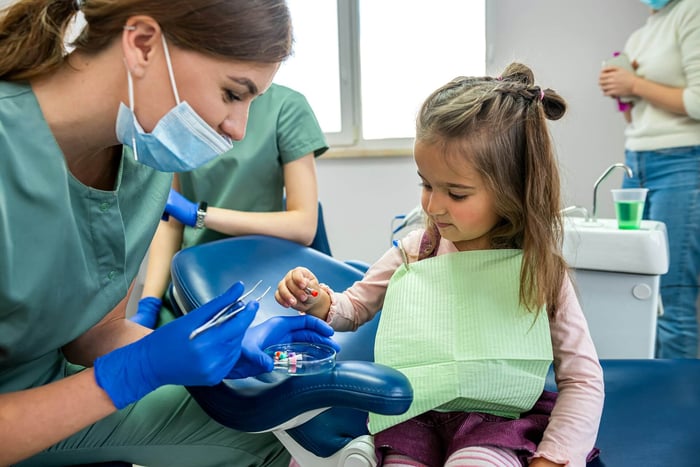
Pediatric dentistry offices arrange rooms, chairs, and instruments for smaller mouths and younger patients. The environment often uses colorful decor, toys, and simple explanations to lower anxiety and make visits predictable.
Staff members speak in child-friendly language and use step-by-step demonstrations so your child understands each part of care. They use behavior techniques like “tell-show-do,” praise, and distraction, which help most children cooperate without fear.
Many pediatric dental services schedule visits at times that suit children’s routines and keep appointments shorter when needed. These small changes make regular checkups easier, so your child is more likely to keep attending.
Personalized Guidance for Parents
Pediatric dentists give clear, practical advice on brushing, flossing, and diet based on your child’s age and risks. You’ll get exact toothpaste amounts, timing for first orthodontic checks, and guidance on thumb-sucking or pacifier weaning.
They create a personalized recall schedule—how often your child needs cleanings or fluoride—based on cavity risk and growth. If your child has medical conditions or takes medications, the pediatric dentist will adjust care and communicate with other providers.
When emergencies happen, the dental team gives step-by-step home care instructions and a plan for fast treatment. That guidance helps you act confidently and keeps small problems from becoming bigger ones.
Prevention and Early Detection of Dental Issues
A pediatric dental checkup helps spot problems early, stop decay, and guide jaw growth. These visits give you clear steps to protect your child’s teeth and plan care before issues get worse.
Early Detection of Cavities
During a dental checkup, the dentist inspects each tooth for early signs of decay you might miss at home. They look for soft spots, white or brown lines, and areas where food commonly builds up.
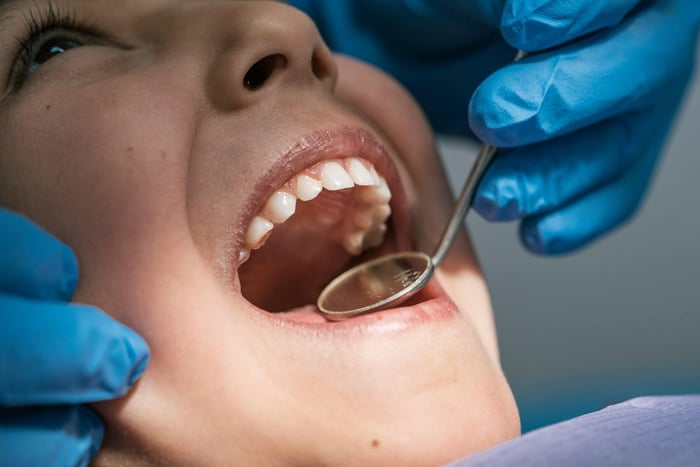
The dentist may use a small mirror, gentle probing, or safe X-rays to see between teeth. Finding a cavity early often means a simple filling instead of root treatment or extraction later.
You’ll learn how to brush and floss correctly for your child’s age. The team can also show where plaque hides and suggest timing for fluoride toothpaste to strengthen enamel.
Monitoring Jaw Development and Alignment
Pediatric dentists track jaw development at each visit to make sure teeth come in the right way. They check how baby teeth guide permanent teeth and note if the bite looks crowded, spaced, or uneven.
If the jaw is growing too narrow or one side is stronger, the dentist can suggest early steps like space maintainers or simple appliances. Early action can reduce the need for complex orthodontics later.
You’ll get clear milestones to watch for, such as delayed tooth eruption or persistent mouth breathing, that can affect jaw growth.
Preventive Treatments and Professional Cleanings
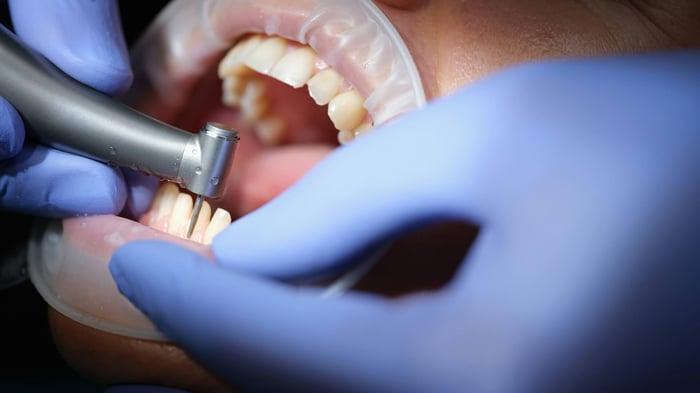
Professional cleanings remove plaque and tartar from places brushing misses, lowering cavity and gum disease risk. The dental team gently polishes teeth and checks gums for redness or swelling.
Dentists often apply fluoride treatments and dental sealants to protect vulnerable tooth surfaces. Fluoride strengthens enamel; sealants cover grooves on back teeth to stop food and bacteria from settling.
You’ll receive a tailored home-care plan. That plan includes the type of toothbrush, when to use fluoride, and how often to schedule checkups based on your child’s needs.
How Routine Cleanings Protect Developing Teeth
The Mayo Clinic explains that plaque left on baby teeth can lead to decay that spreads to permanent teeth below. Regular dental cleanings remove this buildup, strengthen enamel with fluoride, and prevent painful infections.
Routine checkups also teach proper brushing habits and let dentists apply protective sealants to back teeth — a simple step that reduces childhood cavity risk by up to 80%.
Detection of Orthodontic Concerns
A pediatric dental checkup catches early orthodontic signs like crowding, crossbite, open bite, or shifting teeth. Detecting these issues when baby teeth are present gives you more treatment options.
The dentist measures tooth position and bite relationships. They may take photos or X-rays to track movement over time and decide if a referral to an orthodontist is needed.
You’ll be told specific warning signs to watch for, such as teeth that don’t meet or persistent thumb sucking, and when to act.
Building Healthy Habits and Reducing Dental Anxiety
Routine visits to a pediatric dentist teach kids how to care for their teeth and make dental visits less scary. Small, clear steps at the office and at home help your child build confident habits that last.
Teaching Proper Oral Hygiene to Children
A pediatric dentist shows you exactly how to brush and floss for your child’s age. For infants, you’ll learn how to wipe gums; for toddlers, a two-minute brushing routine with a pea-sized fluoride toothpaste; for school-age kids, proper flossing technique and when to start using a regular toothbrush.
Use simple tools the dentist recommends:
Soft-bristled toothbrushes sized for kids
Pea-sized fluoride toothpaste
Floss picks or floss threaders for tight spaces
The dentist can demonstrate techniques during checkups, then watch your child try them. This hands-on coaching helps you correct mistakes early and set realistic daily goals, like brushing twice a day and flossing once.
Creating Positive Dental Experiences
Pediatric dental services focus on making visits calm and friendly. The office environment, staff tone, and child-sized equipment all reduce fear. Your child meets the dentist and hygienist in a gentle way, often with timed introductions and simple explanations of each step.
Dentists use positive language and show instruments before use. They may offer a “tell-show-do” approach: explain, demonstrate on a model, then perform the quick exam or cleaning. You can reinforce calm behavior by praising effort, bringing a favorite toy, and avoiding threats or bribes.
Ask the pediatric dentist about behavior techniques they use and any comfort options like fluoride varnish or topical numbing for sensitive kids. Knowing these options ahead of time helps you feel prepared and keeps visits smooth.
Developing Lifelong Dental Care Routines
Regular pediatric dental checkups set a clear schedule: typically every six months or as the dentist advises. These visits let the dentist track growth, spot cavities early, and suggest age-specific care like sealants or dietary changes to prevent decay.
Create a simple home routine your child can follow:
Brush morning and night for two minutes.
Floss once a day when teeth touch.
Limit sugary drinks and sticky snacks.
Bring a list of concerns to each appointment—thumb-sucking, grinding, or braces questions—so the dentist can give targeted advice. Over time, consistent checkups and clear rules make dental care a normal part of your child’s life.
Comprehensive Health Monitoring Through Routine Checkups
Routine pediatric dental visits do more than clean teeth. They let your dentist track mouth development, spot signs that affect growth or nutrition, and guide choices about diet, fluoride, and tooth care.
Identifying Links Between Oral and Overall Health
Your child’s mouth can show clues about general health. At a pediatric dentistry visit, the dentist checks for poor wound healing, pale gums, or swollen lymph nodes that might point to anemia or infection.
They also note signs of tooth erosion or dry mouth, which can link to frequent vomiting, asthma inhaler use, or medication side effects. The hygienist reviews your child’s diet and snacking patterns.
High sugar intake and frequent sipping of juice raise cavity risk and may signal the need for a nutrition plan with fewer sugars and more water. The dentist can recommend fluoride levels, sealants, or referral to a pediatrician when systemic issues appear.
Spotting Early Signs of Health Conditions
Early visits help catch problems before they become serious. Your pediatric dentist looks for white or red patches, ulcers that don’t heal, and unusual tooth wear.
These findings can lead to fast referrals for blood tests, allergy checks, or oral-motor evaluations if you or the dentist suspect grinding, tongue-tie, or swallowing issues. Routine X-rays and growth tracking also reveal tooth development delays, impacted teeth, or jaw alignment concerns.
Identifying these early can save your child from painful treatments later and may allow simpler orthodontic or medical steps now.
Start Early, Stay Consistent, Protect Every Smile
Regular visits to a pediatric dentist help your child avoid cavities, feel at ease during care, and build habits that last a lifetime. Each visit provides reassurance, professional cleaning, and personalized guidance that keeps oral health on track through every stage of growth.
At Care Dental Center, we combine child-friendly techniques with gentle technology and clear parent education to make every visit positive. Our pediatric care focuses on prevention, confidence, and comfort — so dental visits become something your child can look forward to.
If your child hasn’t had a recent dental checkup, schedule one today to set them up for a bright, healthy future with compassionate care built around their needs.
Frequently Asked Questions
These answers explain how pediatric dental visits protect teeth, spot problems early, and teach good habits. You will learn what happens during visits, how often to go, and how care now lowers risks later.
How does regular pediatric dental care contribute to a child's overall health?
Regular visits let the dentist find cavities, gum issues, or bite problems before they get worse. Treating those early prevents pain, infection, and problems with eating or speaking. Dental checks also monitor jaw and tooth development. That helps the dentist plan treatments that support proper growth and reduce future orthodontic needs.
What specific advantages do pediatric dentists offer for children's oral health?
Pediatric dentists train for two to three years after dental school to treat kids specifically. They use child-sized tools and techniques that make exams and treatments more comfortable. They know how to work with young children and with kids who have special health needs. They also give age-appropriate advice on brushing, diet, and fluoride use.
How often should a child visit a pediatric dentist for routine checkups?
Most children should see a pediatric dentist every six months. Your dentist may recommend more frequent visits if your child has cavities, high decay risk, or special health needs. Plan the first visit around six months after the first tooth appears or by the child’s first birthday.