Your new porcelain veneers were an investment in a smile you're proud to show off. The last thing you want is to watch them dull because of a habit you didn't realize mattered. Is the morning coffee a problem?
Was crunching that ice cube last week a mistake? Those moments of doubt are normal. Learning how to care for porcelain veneers is straightforward once you know what to do each day.
Veneers are not high-maintenance, but they are not maintenance-free either. The porcelain itself is tough; the bonding edges and the natural tooth underneath are where problems start. That's why good veneer care is mostly just good dental care, applied with a little extra awareness.
The daily habits, product picks, and warning signs below separate veneers that last a decade from veneers that need early attention. Small choices, made consistently, protect the smile you chose.
What Protects Veneers From Day One
Veneer longevity starts before you even leave the dental chair. The biggest factors are the quality of the placement and the materials chosen for your mouth. A well-bonded, precision-fit veneer stands up to chipping, staining, and lifting far better than one that's rushed or poorly matched.
What Porcelain Veneers Cover and What They Do Not
Porcelain veneers are thin, custom-made shells bonded to the front of your teeth. They cover chips, discoloration, minor gaps, and uneven shapes. They don't wrap around the entire tooth as a crown does.
This means the back and sides of your tooth are still exposed to natural enamel. Cavities can still form along the edges where the veneer meets the tooth.
The American Dental Association (ADA) notes in its overview of dental veneers that decay can still reach the tooth under or around a veneer. Daily cleaning stays just as important.
The veneer covers only the visible front. That means the health of your gums and surrounding tooth structure directly affects how well it holds up over time.
How Long Do Veneers Last
Porcelain veneers usually last 10 to 15 years with consistent at-home care and regular checkups. Some people keep theirs longer. The range depends on your daily habits, bite forces, and how well the bonding holds up.
Composite veneers (made from a tooth-colored resin) last about five to seven years. Porcelain resists stains better and is more durable, which is why a lot of patients go for it even though it costs more upfront.
Feature | Porcelain Veneers | Composite Veneers |
|---|---|---|
Typical lifespan | 10 to 15 years | 5 to 7 years |
Stain resistance | High | Moderate |
Repairability | Usually requires replacement | Can often be patched |
Tooth preparation needed | Thin layer of enamel removed | Less enamel removed |
Cost | Higher | Lower |
Why Placement Quality and Materials Matter
A veneer that fits precisely against your tooth leaves fewer gaps for bacteria. When the margins (where veneer meets tooth) are smooth and sealed, plaque has less room to collect. That means fewer cavities and less gum irritation.
The bonding agent and porcelain grade matter, too. Higher-quality ceramics hold their color and resist wear longer. Dr. Barkhordar designs restorations with CAD/CAM technology (computer-guided design and milling) and 3D imaging. Each veneer is matched to your bite and natural tooth shade, which supports both comfort and durability.
But even the best materials need daily support from you. That brings us to the cleaning routine that keeps everything in place.
How to Care for Porcelain Veneers Every Day
Sticking to a daily cleaning routine is the most reliable way to protect your veneers and the natural teeth underneath. Knowing how to care for porcelain veneers day to day doesn't require anything complicated: just the right tools and a gentle technique.
Brush With a Soft-Bristled Toothbrush
Always use a soft-bristled toothbrush. Stiff or medium bristles can scratch the polished surface of porcelain over time, making it easier for plaque and stains to build up.
Keep the bristles angled toward the line where tooth meets gum and use short, gentle strokes instead of aggressive scrubbing. Give it two full minutes, morning and night, covering all surfaces of every tooth.
Electric toothbrushes with a pressure sensor are handy because they alert you if you push too hard. Not sure which brush is right? Your dental team can recommend one at your next cleaning and prevention visit.
Choose a Non-Abrasive Fluoride Toothpaste
Not all toothpastes are safe for veneers. Some whitening formulas use baking soda, charcoal, or gritty micro-particles that can dull the porcelain's shine.
Look for a non-abrasive fluoride toothpaste. Fluoride strengthens the natural enamel around your veneers, reducing your risk of decay at the edges. The label shouldn't list "abrasive" ingredients or have a high RDA (Relative Dentin Abrasivity) score.
If the paste feels gritty on your tongue, it's probably too rough for porcelain. Already using a teeth whitening toothpaste? Check with your dentist before continuing it on veneered teeth.
Floss Gently and Consider a Water Flosser
Flossing removes plaque and food from tight spaces a toothbrush misses. Slide the floss gently up and along each side of the tooth instead of snapping it against the gum.
A water flosser (a device that shoots a focused stream of water) is a good alternative. It cleans around veneer margins without risking catching an edge. Many people find it faster and more comfortable, especially if you have several veneers side by side.
Notice signs of gum disease like bleeding or puffiness while flossing? Schedule a visit so the issue can be checked before it affects your veneers.
Rinse With Alcohol-Free Mouthwash
An alcohol-free mouthwash freshens breath and reduces bacteria without drying your mouth out. Alcohol-based rinses can weaken the bonding resin over time, which may loosen the seal between veneer and tooth.
Swish for 30 seconds after brushing and flossing. Choose a rinse with fluoride for extra enamel protection. This last step helps reach areas between teeth and along the gumline that brushing alone can't cover.
With the right products in your cabinet, the next thing to know is which foods and habits to watch out for.
Foods, Habits, and Nighttime Wear to Watch
Even with a solid cleaning routine, some foods, drinks, and habits can shorten the life of your veneers. Knowing what to limit or avoid helps you protect your investment without giving up everything you love.
Coffee, Red Wine, and Other Drinks That Can Affect the Edges
Porcelain resists staining well, but the bonding cement along the edges does not. Dark drinks like coffee, red wine, and black tea can gradually discolor those margins, creating a visible line where the veneer meets your tooth.
You don't have to quit coffee. Sipping through a straw, rinsing your mouth with water afterward, or not letting the drink linger on your teeth can help.
Highly acidic drinks like citrus juice and soda can also weaken enamel around the veneer, so moderation is key. The ADA's guidance on diet and oral health points out that acidic foods and drinks can erode the enamel that protects your teeth.
Sticky, deeply colored foods like tomato sauce or curry work the same way. Enjoy them, then rinse or brush when you can. Want the full list of foods bad for your teeth? A quick review helps you spot repeat offenders.
Why You Should Avoid Biting Hard Objects
Porcelain is strong, but it's not flexible. Biting directly into ice cubes, hard candy, raw carrots, or bone-in meat can chip or crack a veneer. The same goes for habits like chewing pen caps, tearing open packages, or biting your fingernails.
Cut hard foods into smaller pieces and chew with your back teeth, where veneers are less common. This simple change takes pressure off your front teeth and lowers the risk of a fracture. If you play contact sports, a custom mouthguard adds another layer of protection.
Habits to watch:
Chewing ice or hard candy
Biting fingernails or cuticles
Using teeth to open bottles or packages
Chewing on pens, pencils, or straws
Eating popcorn kernels or olive pits
Teeth Grinding, Clenching, and a Custom Nightguard
Bruxism (grinding or clenching your teeth, often at night) puts repeated force on veneers that can crack them over time. A lot of people grind without realizing it. Morning jaw soreness or worn tooth edges are common clues.
A custom nightguard is a thin, fitted appliance you wear while you sleep. It cushions grinding pressure and keeps your upper and lower teeth from pressing directly against each other. Over-the-counter guards exist, but a custom-fit version distributes pressure more evenly and feels more comfortable.
If you think you grind or clench, bring it up at your next visit. Catching it early protects not just your veneers but your natural teeth and jaw joints, too. Paying attention to when something feels off is a skill worth building.
When Small Changes Mean It Is Time to Call
Not every issue with a veneer is obvious. Sometimes the first sign is a subtle shift you feel more than see. Noticing small changes helps you get care before a minor fix turns into a bigger repair.
Sensitivity, Rough Spots, or a Changed Bite
If a tooth with a veneer suddenly feels sensitive to hot or cold, the bond might have weakened, exposing the prepared tooth surface underneath. A rough or sharp spot you can feel with your tongue is another signal that the veneer edge may have chipped.
A bite that feels "off" after months of feeling fine could mean the veneer has shifted slightly. Don't try to adjust it yourself. Call your dental office so they can check the fit and fix it quickly, often in a single short appointment.
Stains Near the Edges and Gum Changes
A yellow or brown line at the base of a veneer usually means the bonding cement has stained. The porcelain itself rarely stains, but the cement can, and it tends to get worse if you leave it alone.
If you notice red, puffy, or bleeding gums around a veneered tooth, you could be looking at the early stages of gum disease. Smart periodontal disease prevention matters doubly with veneers: gum recession can expose the veneer edge or the root underneath.
That's both a cosmetic headache and a real health concern. A deep dental cleaning can clear out buildup below the gumline before things get worse.
Why Regular Dental Checkups Help Veneers Last
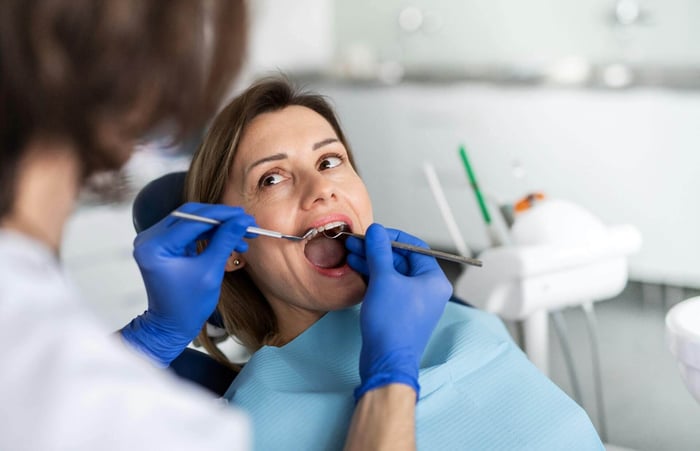
Your dentist can catch veneer problems long before you even notice them. At a checkup, the team looks at the bonding, checks for tiny cracks using magnification, and pays close attention to your gum health around each veneer.
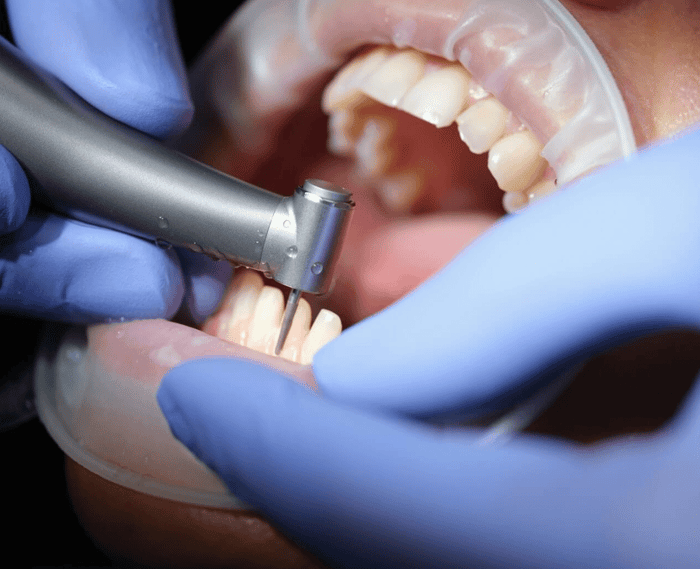
Professional cleanings remove hardened tartar (calculus) that regular brushing just can't reach. This keeps the edges clean and lowers the risk of decay sneaking in under or beside the veneer.
Most people with veneers do best with checkups every six months. If you're not sure about your dental checkup coverage, the front office can walk you through your benefits before you come in.
Frequently Asked Questions
What Daily Habits Help Keep Veneers Looking Bright and Feeling Comfortable?
Brush twice a day with a soft-bristled toothbrush, floss once daily, and use an alcohol-free mouthwash. After coffee, tea, or red wine, rinse with water to help prevent edge staining. These steps help keep your veneers and the tooth underneath healthy.
Which Toothpaste and Mouthwash Are Safest for Veneers and Sensitive Gums?
Go with a non-abrasive fluoride toothpaste, and skip anything with charcoal or baking soda. Pair it with an alcohol-free, fluoride mouthwash. Staying away from abrasive and alcohol-based products protects both the porcelain and the bonding cement.
What Foods and Drinks Should You Limit to Avoid Stains or Chips?
Try not to let dark liquids like coffee, red wine, or black tea linger on your teeth. Don't bite straight into ice, hard candy, popcorn kernels, or bone-in foods. Cutting tough foods into small bites and chewing with your back teeth makes chips less likely.
How Long Do Porcelain Veneers Typically Last With Healthy At-Home Care?
Porcelain veneers can stick around for 10 to 15 years, sometimes even longer, if you brush, floss, and see your dentist regularly. The materials and how well they were placed matter a lot, too.
Can Teeth Get Decay Under Veneers, and What Warning Signs Should You Watch For?
Decay can show up along the edges where the veneer meets your natural tooth. Watch for new sensitivity, a dark line at the base, or a spot that feels soft when your dentist checks it. Regular checkups usually catch these problems early, often before you feel anything.
What Should You Do if a Veneer Feels Loose, Rough, or Suddenly Painful?
Call your dentist right away. Don't try to remove, re-glue, or file the veneer yourself. Your dentist can re-bond, fix, or replace it in a short visit. The sooner you go in, the simpler the fix tends to be.
Your Smile Deserves Gentle, Everyday Attention
Taking care of porcelain veneers comes down to a handful of daily habits. Use a soft brush and the right toothpaste, floss gently, and watch what you eat and drink. Small choices every day add up. If something feels off, a quick call can stop a small issue from turning into a big one.
Care Dental Center in Carson is here if you need a checkup, cleaning, or just want a second opinion on veneer care. Call (310) 626-0004 or request your appointment online. Dr. Barkhordar and the team can look at your veneers, answer your questions, and set up a care plan that fits your routine.