The dentist mentioned sealants for the back teeth at your child's checkup, and you nodded along. Then the questions started on the drive home. Does your kid really need them? What age makes sense? Is the coating safe? Plenty of Carson parents leave the office wondering the same things.
Dental sealants for kids are one of the simplest ways to prevent cavities on the chewing surfaces where food and bacteria love to hide. The procedure is fast and painless. It is backed by decades of research from the Centers for Disease Control and Prevention (CDC) and the American Dental Association (ADA).
In this guide, you will discover what sealants are made of and the age windows that matter most. You will also see what happens at the appointment and how sealants pair with fluoride. Getting the facts now can save your child from fillings and extra dental visits down the line.
What Sealants Are and How They Protect Back Teeth
Dental sealants are thin, tooth-colored coatings painted onto the chewing surfaces of back teeth. They block out the bacteria and food particles that cause cavities. Think of them as a raincoat for your child's molars and premolars.
What Are Dental Sealants?
A dental sealant is a liquid plastic material that a dental professional brushes onto the grooves of a tooth. Once it hardens, it creates a smooth, protective shield. The shield fills in the tiny pits and fissures (the natural dips and valleys) on the tooth surface where decay starts most often.
Sealants aren’t fillings. Fillings fix damage that’s already there. Sealants go on healthy teeth to prevent cavities before they start. It’s much easier, faster, and cheaper to prevent a problem than to treat it later.
How Dental Sealants Work
The sealant bonds directly to the enamel (the hard outer layer of the tooth). Once it sets, it forms a physical barrier between the tooth and everything your child eats or drinks. Bacteria can’t get into the grooves underneath, so acid can’t attack the enamel in those spots.
Sealants can prevent up to 80 percent of cavities on back teeth in the first two years after placement.
That figure comes from the CDC's overview of dental sealants. Protection drops a bit after that but still helps for up to four years. Regular checkups let your dentist make sure the coating is still doing its job.
Why Molars and Premolars Need Extra Protection
Molars and premolars have broad, bumpy chewing surfaces with deep grooves. Those grooves trap food particles that a toothbrush can struggle to reach, especially in a young child's hands. Even with good brushing and flossing, the bristles just don’t get into the deepest pits.
Front teeth are smoother, so they’re easier to keep clean with daily oral hygiene at home. Back teeth are simply more at risk for cavities because of their shape. That’s why sealants are mainly for molars and premolars, not every tooth.
So, which teeth need them and when? That brings up the next big question: at what age should your child actually get sealants?
When to Get Dental Sealants During Childhood
Timing matters. Sealants work best if they go on newly erupted teeth before any decay can start. For most kids, that window is between ages six and twelve.
Why Ages 6 to 12 Matter Most
Your child's permanent molars arrive in two waves. The first set typically appears around age six. The second set comes in around age twelve. Sealing each set soon after it breaks through the gum gives the tooth maximum protection during the years when cavity risk is highest.
Children ages six to eleven without sealants are nearly three times more likely to get cavities in their first molars. That comes from CDC data on sealants for children. The difference is big enough that most dentists recommend sealants shortly after each molar comes in.
First Permanent Molars and the Early School Years
The first permanent molars (often called "six-year molars") erupt behind the baby teeth. Many parents miss them because no baby tooth falls out to signal their arrival. These four teeth do a large share of chewing, so they face immediate exposure to sugars and starches.
Asking your child's dentist to check for these molars at every six-month dental checkup ensures you do not miss the ideal placement window. A quick visual exam is all it takes to confirm the tooth has come in enough for a sealant.
Second Permanent Molars and the Preteen Window
The second permanent molars (sometimes called "twelve-year molars") appear farther back in the mouth. Because they erupt during the preteen years, kids may be eating more independently and snacking more often. Sealing these teeth as soon as they are fully in helps cover that higher-risk period.
Molar Set | Typical Age of Eruption | Ideal Sealant Timing |
|---|---|---|
First permanent molars | Around age 6 | Shortly after full eruption |
Second permanent molars | Around age 12 | Shortly after full eruption |
Premolars (if recommended) | Ages 10 to 12 | Case-by-case, per dentist |
When Baby Teeth or Other Teeth May Be Considered
Some kids have unusually deep grooves in their baby molars or premolars. If that’s the case, a dentist might suggest sealants on those teeth to keep them protected until the permanent ones come in. Keeping baby teeth healthy helps hold space for adult teeth.
Your child’s individual risk factors (diet, brushing skills, cavity history) shape the recommendation. Now, what about the actual appointment?
What Parents Can Expect at the Appointment
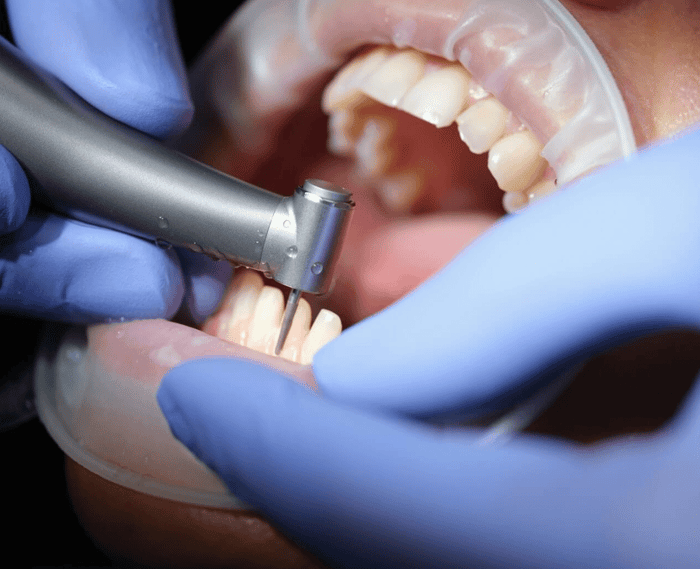
The sealant procedure is one of the quickest and most comfortable visits your child will ever have. There are no shots, no drilling, and no numbing needed.
The Sealant Procedure Step by Step
The whole thing usually takes just a few minutes per tooth. Here’s what happens:
The dental professional cleans and dries the tooth surface.
A mild etching solution (a safe acidic gel) is placed on the enamel for a few seconds to help the sealant bond.
The tooth is rinsed and dried again.
The liquid sealant material is painted into the grooves.
A curing light (a small, painless blue light) hardens the sealant in about 20 to 30 seconds.
Your child can eat and drink right after the appointment. Most kids don’t even notice the sealant once it’s set since the coating is very thin.
If your child feels nervous about dental visits in general, reducing dental anxiety can help make the visit go more smoothly.
How Long Sealants Last
Sealants can protect teeth for up to ten years if you take care of them. The National Institute of Dental and Craniofacial Research confirms this in its guide to sealing out tooth decay. They do wear down from normal chewing, so the dentist checks them at each routine visit. If a sealant chips or thins out, adding more material takes minutes.
What your child eats and their habits matter, too. Chewing ice, biting pencils, or eating sticky candy can make sealants wear out sooner. Skipping those habits helps the coating last longer.
Brushing, Flossing, and Ongoing Checks
Sealants only cover the chewing surface. They don’t protect the sides or the spaces between teeth. Brushing and flossing every day is still a must. Teaching your child to brush for two minutes twice a day keeps all surfaces clean, not just the sealed ones.
Routine dental checkups every six months let the dental team confirm the sealants are intact and catch any early signs of gum trouble. Sealants work best as one part of a complete prevention routine. So, how do they compare to other options?
How Parents Compare Safety and Prevention Options
Sealants have been used in dentistry for over fifty years, and major dental organizations confirm their safety for children. Still, you may have questions, and that is completely normal.
Are Sealants Safe for Children?
Yes. The ADA and CDC both endorse sealants as a safe, effective way to prevent cavities in children. The procedure is noninvasive and does not require removing any tooth structure. Millions of children receive sealants each year in dental offices and school-based programs.
Allergic reactions to sealant material are extremely rare. If your child has a known sensitivity to any dental materials, mention it before the appointment so the team can choose the right product.
Understanding Questions About Bisphenol A
Some parents ask about BPA (bisphenol A), a chemical found in certain plastics. Most modern dental sealants contain little to no BPA. The small traces that may be present break down within hours and fall well below levels considered harmful by regulatory agencies.
Research shows BPA exposure from a sealant is far less than what a child gets from everyday items like food containers and water bottles. If this concern is on your mind, ask which sealant brand the office uses. Your dentist can also tell you whether a BPA-free or glass ionomer (mineral-based) option is available.
Sealants vs. Fluoride: Why Both Can Help
Fluoride strengthens enamel from the inside out, making it more resistant to acid attacks. Sealants physically cover the grooves where fluoride alone cannot always reach. The two methods work together rather than competing.
Prevention Method | How It Works | Best For |
|---|---|---|
Fluoride (toothpaste, rinse, varnish) | Hardens enamel to resist acid | All tooth surfaces |
Dental sealants | Covers grooves to block bacteria | Chewing surfaces of back teeth |
Both combined | Strengthens enamel and seals grooves | Maximum cavity prevention |
Using fluoride toothpaste every day alongside sealants gives your child the broadest protection. Your dentist may also recommend professional fluoride varnish at routine visits for added defense.
When Sealants for Adults May Also Make Sense
Sealants aren’t just for kids. Adults with deep grooves in their molars and a history of cavities can benefit, too. If you’re prone to cavities, ask about dental sealants for adults at your next checkup.
Adults considering other protective or cosmetic treatments can discuss sealants as part of a broader care plan. Prevention at any age saves time and money down the road.
Frequently Asked Questions
Below are the questions Carson parents ask most often about dental sealants for children.
At What Age Should Kids Get Their First Dental Sealants?
Most kids get the most out of sealants around age six, right when their first permanent molars come in. Dentists like to seal these teeth as soon as they finish erupting, before any cavities can get started.
Which Teeth Usually Need Sealants First: Baby Teeth or Permanent Molars?
Permanent molars are the main focus since your child keeps those for life. Still, if a baby tooth has deep grooves or your dentist thinks there's a high risk for cavities, they might recommend sealing those too.
How Long Do Dental Sealants Last in Children, and When Do They Need Touch-Ups?
Sealants can stick around for up to ten years, but most dentists check them at every six-month visit. If a sealant chips or wears out, the dentist can add more material during a regular appointment.
Are Dental Sealants Safe for Kids, and What Side Effects Should Parents Watch For?
The ADA and CDC both say sealants are safe for kids. Side effects almost never happen. Sometimes, a child might notice their bite feels a little different at first, but that usually goes away in a day or two.
What Are Dental Sealants Made Of, and Do They Contain Anything Concerning?
Most sealants use a resin-based (plastic-like) material or sometimes glass ionomer, which is mineral-based. There are tiny amounts of BPA in some resin sealants, but they're way below any safety limit. If that's a worry, BPA-free versions exist too.
How Much Do Dental Sealants Cost for Kids, and Does Insurance Usually Cover Them?
Sealants are one of the least expensive ways to prevent cavities. A lot of dental insurance plans pay for them if your child is under 18. If you're worried about cost, check your insurance for preventive care before you go in.
Your Child's Next Checkup Is the Perfect Time to Ask
Dental sealants give kids a simple, painless way to protect their teeth when they're most at risk for cavities. Getting sealants around ages six and twelve, as those permanent molars show up, sets your child up for a healthier smile.
If your child's checkup is coming up, just add sealants to your list of questions. Dr. Barkhordar and the Care Dental Center team offer sealants as part of routine preventive care for children. They can check your child's teeth, talk through the options, and even place sealants the same day if it makes sense.
Add sealants to your question list, then call (310) 626-0004 or book an appointment online. The team will answer your questions and make sure your child feels comfortable the whole way through.