Finding the right orthodontist in Carson can feel like a big decision, especially when you want care that fits your goals, comfort level, and daily life. Orthodontic treatment is about more than straight teeth. It can also support better bite function, easier cleaning, and long-term oral health.
At Care Dental Center, patients and families appreciate having clear explanations, modern treatment options, and a supportive experience that never feels rushed. Whether you're considering braces for your child or clear aligners for yourself, understanding options helps you feel more confident.
This guide walks through common orthodontic concerns, what to expect during a consultation, and how different treatment options work. You’ll also learn what to look for when choosing care that feels comfortable, practical, and personalized for your family.
Crowding, Gaps, and Bite Problems That Deserve Attention
Crowded teeth, noticeable gaps, overbites, underbites, crossbites, and open bites—these are among the most common reasons people seek orthodontic care. Each of these falls under malocclusion, meaning your teeth or jaws don’t line up correctly.
Crowded teeth make flossing and brushing tricky. Gaps can trap food and sometimes mess with speech. Bite problems can wear down your teeth unevenly or put extra strain on your jaw over time.
How Malocclusion Can Affect Comfort, Cleaning, and Confidence
When teeth don’t align well, it shows up in everyday life. Maybe you notice jaw soreness, struggle with certain foods, or get annoyed trying to keep your teeth clean. Misalignment can quietly wear down enamel if your bite puts uneven pressure on certain teeth.
Orthodontic treatment addresses these functional concerns, not just aesthetics.
Signs It May Be Time to Visit an Orthodontist in Carson
Sometimes orthodontic issues show up in small, everyday ways before they become more noticeable. Frequent biting of the cheeks, difficulty flossing crowded teeth, speech changes, or jaw discomfort can all point to alignment concerns worth evaluating.
Seeing an orthodontist in Carson early may help patients better understand what is happening and what options are available.
The American Association of Orthodontists explains that orthodontic problems can affect oral health, bite function, and long-term comfort, not just appearance. Knowing the signs can make it easier for families to seek guidance before problems become more difficult to manage over time.
What Happens at Your First Visit
Your first consultation with an orthodontist in Carson should feel straightforward and low-pressure. You’ll get a clear sense of what’s happening with your teeth, what options exist, and what a personalized plan might look like.
What to Expect During a Consultation Appointment
When you arrive, you can share your concerns and ask questions. The team will listen before starting any examination. The idea is to make sure you feel informed and comfortable from the very start.
No one will rush you through the process. The consultation is about gathering info and starting a conversation, not pushing you into a quick decision.
Digital Records, X-Rays, and the Orthodontic Examination
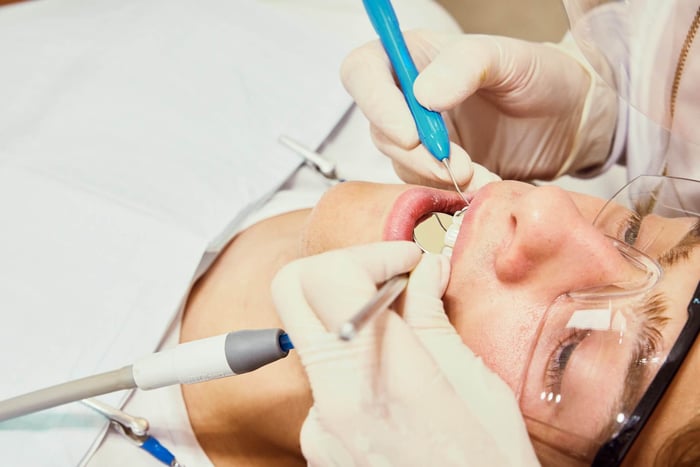
The exam usually includes digital X-rays and photos of your teeth and jaw. These let the orthodontist see what’s happening beneath the surface, like root positions and bone structure.
Modern imaging tools make this process quicker and more comfortable. You’ll know what each step is for, and the results will be explained clearly.
How a Personalized Treatment Plan Is Built
After reviewing your records, the orthodontist outlines a treatment plan made just for you. This covers recommended options, a realistic timeline, and what to expect at each stage. A good plan takes your lifestyle and goals into account.
Whether you care most about aesthetics, function, or both, that shapes the treatment you’ll get.
Braces, Clear Aligners, and Other Treatment Options
Orthodontic treatment now goes beyond traditional metal braces. Patients have real choices based on their needs, lifestyle, and how they want to look during treatment. A skilled orthodontist can help you weigh those options honestly.
When Metal Braces May Make Sense
Metal braces remain super effective for complex cases. They’re great for significant crowding, bite correction, and situations where precise control over tooth movement matters.
Braces use brackets and wires to guide teeth into place. Modern braces are smaller and more comfortable than older ones. Some even find them easier to manage than expected. Ceramic braces are also available for anyone who wants a less noticeable look but still needs a fixed appliance.
How Clear Aligners Fit Busy Lifestyles
Clear aligners, like Invisalign®, appeal to teens and adults who want a removable, nearly invisible option. You wear each set of custom trays for about one to two weeks, then switch to the next.
Since they’re removable, you can eat, brush, and floss with no extra hassle. Clear aligners work well for mild to moderate alignment issues, and sometimes they handle bite concerns too.
Feature | Metal Braces | Clear Aligners |
Visibility | More visible | Nearly invisible |
Removable | No | Yes |
Best for | Complex cases | Mild to moderate cases |
Eating restrictions | Yes | No |
Cleaning | Requires extra effort | Standard brushing and flossing |
Why Retainers Matter After Active Treatment
After your braces or aligners have done their job, retainers keep your teeth in their new spots. Skipping retainers is a common reason teeth drift back over time. Your orthodontist will tell you how long and how often to wear your retainer. Following that advice protects the investment you made in your smile.
Choosing Care That Feels Right for Your Family
Choosing an orthodontist in Carson impacts your whole family’s comfort and confidence. The right provider brings together clinical skill and clear communication, so you always know what’s happening and why.
Questions to Ask Before You Commit
Before starting treatment, it helps to come in with a few key questions:
What treatment options fit my case?
How long will treatment probably take?
What’s the full cost, and are payment plans available?
How are appointments scheduled, and how often will I need to come in?
What if I have a concern between visits?
Asking these questions up front helps you feel more confident about your direction.
Why Experience, Technology, and Communication Matter
An experienced orthodontist brings a trained eye to your case. They can spot patterns and make adjustments others might miss. Modern tools, like digital scans and 3D imaging, support more accurate planning.
Clear communication is just as important. You should leave every appointment knowing what was done, what’s next, and why. That kind of transparency builds trust throughout your treatment.
Looking for Flexible Scheduling and Payment Support
Life is busy. Orthodontic offices that offer flexible scheduling, like evenings or Saturdays, make it easier to keep up with appointments. For families juggling school, work, and everything else, that flexibility matters.
Ask about financing, too. Many offices offer payment plans that spread the cost over your treatment, making care more accessible for a range of budgets.
Care for Kids, Teens, and Adults
Orthodontic treatment looks different at every age. Whether you’re bringing in a child for an early check or exploring adult treatment for yourself, the right orthodontist tailors the approach to your needs.
Early Monitoring for Growing Smiles
For kids, early orthodontic checks aren’t always about starting treatment right away. Sometimes it’s about watching jaw and tooth development so the right intervention happens at the right time.
Early evaluations can catch issues like narrow arches or crowding before they get tougher to fix. In some cases, a simple early phase can reduce the complexity of care needed later.
Teen Treatment That Balances Comfort and Confidence
Teens are often the most self-conscious about how braces look. Clear aligners and ceramic braces offer less visible options for those who care about aesthetics during treatment. At the same time, teens need a plan that holds up in real life—sports, meals, and daily routines.
A good orthodontist matches the treatment to the teen’s lifestyle, not just the clinical ideal. Consistency with wearing aligners or making it to appointments matters at this age. Support from family and clear guidance from the orthodontic team both help get good results.
Adult Orthodontics Without Feeling Out of Place
More adults than ever are choosing orthodontic treatment. There’s nothing odd about starting as a grown-up. Maybe you had braces as a teen, and your teeth shifted, or maybe you never had treatment—either way, options exist for you.
Clear aligners are especially popular with adults because they’re discreet and fit into a professional lifestyle. The process and results are similar to what teens experience.
A Comfortable Approach to Orthodontic Care
Choosing orthodontic treatment is about more than straightening teeth. Patients and families also want clear communication, flexible options, and care that feels supportive from the first visit forward. A welcoming environment can make a big difference for children, teens, and adults starting treatment.
At Care Dental Center, orthodontic care is designed to feel approachable and personalized. Patients receive guidance based on their goals, lifestyle, and oral health needs, with modern tools that support comfort and accuracy throughout the process.
Treatment Options for Different Smile Goals
Orthodontic treatment is not one-size-fits-all. Some patients benefit from traditional braces for more complex alignment concerns, while others may prefer clear aligners that fit more discreetly into work, school, or social routines.
Treatment recommendations depend on several factors, including bite alignment, spacing, crowding, and long-term oral health goals. Clear explanations help patients understand what to expect at every stage of care.
What Patients Can Expect During Orthodontic Visits
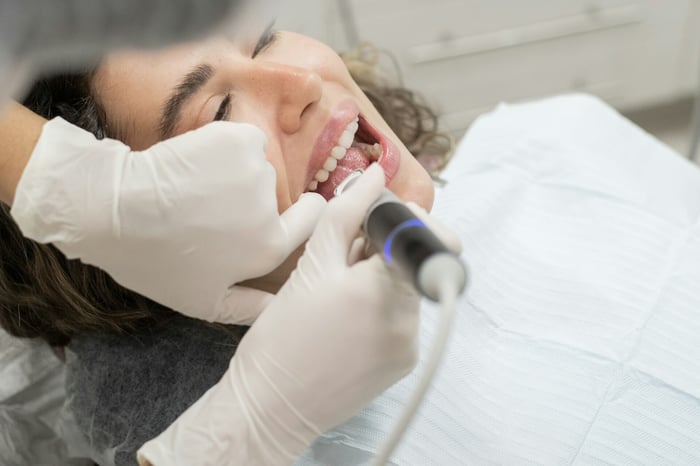
Orthodontic appointments typically include digital imaging, progress checks, and adjustments designed to keep treatment moving comfortably and efficiently. Modern technology can help improve accuracy while making visits smoother and more convenient.
Patients often feel more confident when they understand each step of treatment and have the opportunity to ask questions along the way. Consistent follow-up care and retainer guidance also help support long-term results.
Choosing Orthodontic Care With Confidence
Finding orthodontic care that feels right takes time, especially when you are thinking about comfort, treatment options, scheduling, and long-term oral health. The right approach should help you feel informed, supported, and comfortable asking questions throughout the process.
At Care Dental Center, patients and families benefit from modern orthodontic care focused on clear communication, personalized treatment planning, and a comfortable experience at every visit. Whether you are exploring braces for your child or clear aligners for yourself, working with an orthodontist in Carson should feel approachable and supportive.
If you are ready to learn more about your options, schedule your visit today for gentle, patient-focused care. A consultation can help you better understand your smile goals and what treatment path may fit your needs and lifestyle.
Frequently Asked Questions
When should a child see an orthodontist for the first time?
The American Association of Orthodontists recommends an orthodontic evaluation by age 7. Early visits help identify concerns with jaw growth, spacing, or bite development before they become more complex. Not every child needs immediate treatment, but early monitoring can still be helpful.
Are clear aligners as effective as braces?
Clear aligners can work very well for mild to moderate orthodontic concerns. Braces may still be recommended for more complex bite or alignment issues that need greater control over tooth movement. The right option depends on the patient’s specific needs and treatment goals.
How long does orthodontic treatment usually take?
Treatment length varies depending on the complexity of the case and the type of treatment used. Some patients may complete treatment within a year, while others may need closer to two years or longer. Your orthodontist will explain a more personalized timeline during the consultation.
Do retainers really need to be worn after treatment?
Retainers are important because teeth can naturally shift after braces or aligners are finished. Wearing retainers as directed helps maintain alignment and protect long-term results. Skipping retainer wear may increase the chances of teeth moving over time.
Can adults still benefit from orthodontic treatment?
Adults can absolutely benefit from orthodontic treatment. Many adults choose braces or clear aligners to improve bite function, oral health, or smile alignment later in life. Modern treatment options often fit comfortably into professional and busy lifestyles.