Hearing that you may need an impacted tooth extraction can sound intimidating at first. Most patients simply want to know what is happening, why the tooth is stuck, and what the procedure actually involves.
At Care Dental Center, patients receive clear explanations, modern imaging, and supportive care focused on comfort at every step. Understanding the process ahead of time often helps people feel more prepared and less anxious about treatment.
This guide explains why teeth become impacted, what happens during surgery, and what recovery usually looks like afterward. You’ll also learn when removal may be recommended and which symptoms should not be ignored.
How an Impacted Tooth Differs From a Tooth That Is Simply Delayed
A delayed tooth keeps moving along, just slowly. An impacted tooth stays stuck, either partially or completely, below the gum line. Dentists use X-rays to figure out which is which. When space, angle, or position make eruption unlikely, the tooth is considered impacted.
Why Wisdom Teeth and Third Molars Are So Often Involved
Wisdom teeth, or third molars, develop last. By the time they try to come in—usually between ages 17 and 25—most jaws are already crowded. Lower wisdom teeth get impacted more often than the upper ones. The dense lower jaw and odd angles these teeth take are big reasons for that.
Why Impacted Teeth Can Affect More Than One Tooth
An impacted tooth does not always stay isolated beneath the gums. In some cases, pressure from the tooth may affect nearby teeth, contribute to crowding, or create spaces where bacteria become trapped more easily. These concerns can gradually affect gum health and the surrounding bone if left untreated.
The American Association of Oral and Maxillofacial Surgeons explains that impacted wisdom teeth may increase the risk of infection, damage to nearby teeth, and cyst formation over time. Early evaluation helps dentists monitor these risks before symptoms become more severe.
Signs It Is Time to Have It Checked
Some symptoms make it obvious something's up, but impacted teeth can also cause problems without much warning. Both situations deserve a chat with your dental team.
Pain, Swelling, Bad Taste, and Trouble Opening Your Mouth
Pain at the back of your mouth, especially near where wisdom teeth would show up, is a clear red flag. Swelling in your jaw or gums around that area can also show up.
You might notice a bad taste or smell that sticks around, even after brushing. Infection near an impacted tooth often causes that. If your jaw feels stiff in the morning or you can't open your mouth all the way, bring it up at your next visit.
When an Impacted Tooth Causes Trouble Without Obvious Symptoms
Not every impacted tooth hurts right away. Sometimes, these teeth quietly cause damage to nearby teeth or bone for years. That's why regular X-rays matter. Dentists spot impacted wisdom teeth before they hurt and help you plan the best next steps while things are still simple.
Why Teens and Young Adults Are Often Evaluated Early
Wisdom tooth roots aren't fully formed in your late teens. Removing them at this stage is usually easier, and recovery tends to be smoother.
Waiting until your late twenties or thirties isn't always risky, but the procedure can get trickier. Roots grow longer and anchor more firmly as you age. Early checks give you more options.
Scans, Positioning, and What Makes One Case Simple or Complex
Not all impacted tooth extractions are the same. The tooth's depth, angle, and how close it sits to nerves all affect the plan.
Soft Tissue Impaction and Deeper Bony Impaction
If the tooth made it through the bone but is still covered by gum, that's a soft tissue impaction. These are usually less complicated to fix. A bony impaction means the tooth is still surrounded by jawbone. Removing these takes more surgical work to access the tooth safely.
How Tooth Angle Changes the Surgical Plan
Impacted wisdom teeth can sit at all sorts of angles. Some lean toward the next molar, some tilt sideways, and a few even point nearly horizontal.
The angle changes how the tooth gets removed. Sometimes, the tooth needs to be cut into smaller pieces first. Your dental team will show you the images and walk you through the plan before anything happens.
When Cone Beam Computed Tomography May Be Helpful
Standard X-rays only show a flat image. Cone beam computed tomography (CBCT) gives a 3D view of your jaw, which can be really useful for lower wisdom teeth.
CBCT scans help pinpoint exactly how close the tooth sits to nerves like the inferior alveolar or lingual nerve. This info makes surgery safer and more precise.
Your Treatment Options and Who May Perform the Procedure
You don't always have to remove an impacted tooth right away. Your options depend on your age, symptoms, and whether the tooth is causing or likely to cause problems.
Option | When It May Apply |
Monitoring | No symptoms, low risk, stable position |
Surgical extraction | Impacted, causing problems, or likely to |
Wisdom tooth extraction | Third molars with limited space |
Coronectomy | High nerve risk cases |
Monitoring Versus Moving Forward With Removal
If the impacted tooth isn't hurting or causing trouble, your dentist might suggest just keeping an eye on it with regular X-rays. This works best if the tooth is stuck in bone, not infected, and not pressing on other teeth.
But monitoring isn't forever. If you start noticing pain or a cyst develops, it's usually time to move forward with removal.
Simple Removal, Surgical Extraction, and Wisdom Tooth Extraction
A tooth that's partly erupted might only need a small incision for removal. For a fully bony impaction, the dentist or surgeon will open the gum and sometimes remove a bit of bone. Wisdom tooth extraction often means taking out one to four teeth in one go.
General dentists handle many of these, but trickier cases get referred to oral and maxillofacial surgeons.
When Coronectomy May Be Considered
Sometimes, lower wisdom tooth roots sit very close to the inferior alveolar nerve. In those cases, a coronectomy removes just the crown, leaving the roots behind to avoid nerve trouble. Not everyone is a good fit for this, but for some, it really lowers the risk of nerve problems after extraction.
What Happens on the Day of Surgery
Surgery day is usually less intense than most people expect. Many patients are surprised by how manageable it feels.
Numbing, Sedation, and Keeping You Comfortable
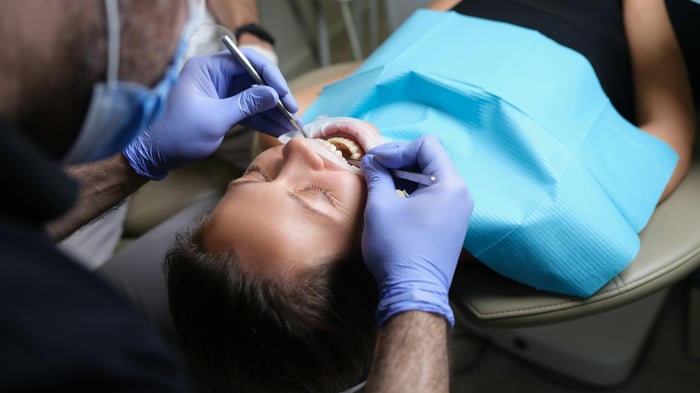
Local anesthesia numbs the area so you don't feel sharp pain. If you're anxious or the case is complicated, sedation options like nitrous oxide or IV sedation can help. Your oral surgeon or dentist will make sure you're comfortable and fully numb before starting anything.
How the Tooth Is Accessed and Removed
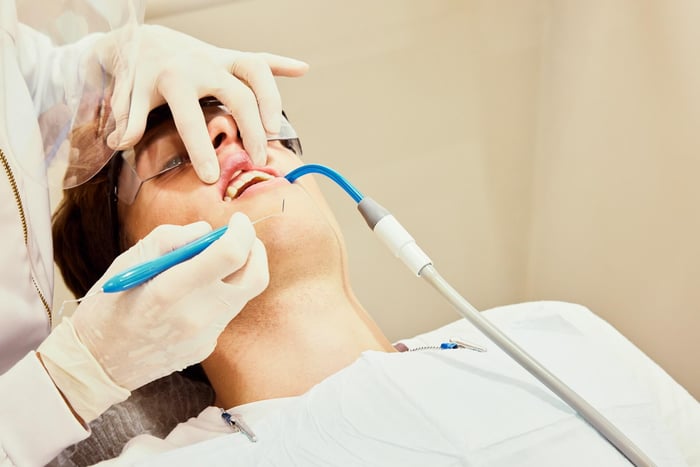
If the tooth is under the gum, a small incision exposes it. For bony impactions, the dentist carefully removes some bone to free the tooth.
They might cut the tooth into sections to make removal easier and minimize tissue damage. Afterward, they'll clean the area and close it with stitches if needed.
What Going Home Usually Looks Like
Most people head home the same day. If you had sedation, plan for someone to drive you and stick around for a few hours. You'll get care instructions, any needed prescriptions, and a number to call if you have questions at home.
Healing at Home and Getting Back to Normal
Recovery from wisdom tooth removal is usually pretty manageable if you follow instructions. Most people get back to regular life in a few days to a week.
Typical Recovery Timeline for Soreness, Swelling, and Eating
Day 1 to 2: Swelling and tenderness peak; rest and stick to soft foods.
Day 3 to 4: Swelling starts to go down; mild discomfort is normal.
Day 5 to 7: Most feel much better and can eat more types of food.
Week 2 onward: Gums keep healing; bone takes longer, but you won't notice it.
Cold packs for the first 24 hours help with swelling. Soft foods like yogurt, soup, eggs, and smoothies are your friends while your mouth heals.
How to Lower the Risk of Dry Socket
Dry socket happens when the blood clot in the extraction site comes out or breaks down too soon.
It causes pain a few days after surgery. To lower your risk, skip straws, don't smoke, and avoid anything that creates suction in your mouth. Your dentist will give you tips tailored to your case.
When to Call Your Dentist or Surgeon During Recovery
Call if you notice:
Pain that gets worse after day three
Fever or chills
Swelling that increases after two days
Heavy or nonstop bleeding
A bad taste or smell that won't go away
These don't always mean something serious, but it's better to check in quickly.
Risks to Know About Before You Decide
Every surgery has risks. Knowing what to watch for helps you make a smart choice and spot anything odd during recovery.
Infection, Delayed Healing, and Damage to Nearby Teeth
Infection is a common risk after dental extraction. Following your post-op instructions significantly reduces this risk.
Healing can take longer if the site gets disturbed or if you have a health issue that slows recovery. Sometimes, the roots of nearby teeth get affected if the impacted tooth is really close.
Nerve-Related Risks in Lower Wisdom Teeth Cases
The inferior alveolar nerve runs through the lower jaw, near the lower wisdom teeth. If this nerve gets disturbed, you might feel numbness or tingling in your lip or chin.
The lingual nerve, which runs along the side of the tongue, can also be affected. Usually, these changes go away, but rarely do they stick around. Your surgeon will talk about your specific nerve risks based on your scans.
Rare Complications Such as Jaw Fracture and When Bone Grafting Matters
Jaw fracture during extraction is rare. It usually happens with big impacted teeth or dense bone in older adults.
Oral surgeons know how to handle these cases carefully. Sometimes, bone grafting helps preserve the jaw shape after removal, especially if you might want a dental implant later. Your dentist will explain if this applies to you.
Understanding the Process Before Tooth Removal
An impacted tooth extraction often sounds more stressful than the experience itself. Understanding why the tooth is stuck, how the procedure works, and what recovery involves can help patients feel more prepared and informed before treatment begins.
At Care Dental Center, patients get gentle, patient-focused care with modern technology and clear communication. Whether it involves wisdom teeth, swelling, or ongoing discomfort, impacted tooth extraction planning should be supportive and straightforward.
If you have symptoms that may point to an impacted tooth, schedule your visit today for clear guidance and comfortable care. Early evaluation may help prevent future discomfort and support long-term oral health.
Frequently Asked Questions
How do dentists know if a tooth is impacted?
Dentists usually identify impacted teeth with dental X-rays or advanced imaging scans. These images show whether the tooth is blocked beneath the gums or growing at an unusual angle. Imaging also helps determine how close the tooth is to nearby roots or nerves.
Is impacted tooth extraction considered oral surgery?
Yes, impacted tooth extraction is generally considered a minor oral surgery procedure. Some extractions are simple, while others require small incisions or the removal of bone around the tooth. The complexity depends on the tooth’s position and depth.
Will I be awake during an impacted tooth extraction?
Many impacted tooth extractions are performed with local anesthesia that keeps the area numb during treatment. Some patients may also receive sedation to help them feel more relaxed. Your dentist or oral surgeon will explain which option fits your situation best.
How long does recovery from an impacted tooth extraction take?
Most patients begin feeling better within several days after surgery. Swelling and soreness often improve during the first week, while deeper healing continues over time. Recovery length varies depending on the complexity of the extraction.
Can an impacted tooth stay untreated if it does not hurt?
Some impacted teeth remain stable without causing symptoms for long periods. However, others may slowly affect nearby teeth, gums, or bone without obvious pain. Regular exams and imaging help dentists decide whether monitoring or removal makes more sense.