You've probably been thinking about this for a while. Your toddler's teeth are popping through, and you know a dentist visit is coming up, but you're not sure how it'll go.
Maybe you're unsure what the dentist even checks, or you worry your child might cry the whole time.
Most first dental visits turn out to be calmer than parents expect—especially when you show up prepared. At Care Dental Center in Carson, CA, we welcome young children and their families with a gentle, patient approach.
Dr. Omid Barkhordar and the team get that this is new territory for a lot of families. It's normal to feel a bit nervous.
Key Takeaways
- Most kids should see a dentist by their first birthday or when that first tooth appears.
- The way you talk about the dentist at home shapes how your child feels walking in.
- Starting a dental routine early makes future visits easier for everyone.
When to Schedule That First Appointment
Most parents don't realize the first dental visit should happen around the first birthday. The National Institute of Dental and Craniofacial Research recommends seeing a dentist by age one or as soon as that first tooth shows up.
The Right Age for an Early Checkup
That first tooth is your cue to call and book. Even one tooth can get a cavity if it's not cleaned well.
A lot of parents think they can wait until their child has a mouthful of teeth. But starting earlier gives the dental team a chance to catch small issues before they turn into bigger ones.
It also lets your child get used to the dental office while things are still simple.
Why Starting Early Makes a Difference
Baby teeth matter more than people realize. They hold space for adult teeth.
If a baby tooth is lost too soon, nearby teeth can shift and crowd things up later. Early visits give you a chance to ask about diet, bottles, and fluoride.
The dental team can show you how to clean your child's teeth at home, so little habits don't turn into bigger problems.
How a Family Dentist Helps Kids Feel at Ease
A family dentist in Carson who sees young children knows how to keep things low-key. They speak simply, move slowly, and let kids explore at their own pace.
Sometimes, the dentist will have your child sit on your lap instead of the dental chair. That one small change can make the whole appointment feel less scary.
A familiar setting makes a big difference.
How to Talk to Your Child Before the Visit
What you say at home in the days before the appointment matters a lot. Kids pick up on your mood fast.
If you keep your words calm and positive, you set the stage before you even walk in.
Use Simple, Upbeat Words
Describe the dentist as someone who counts teeth and keeps them healthy. Skip words like "hurt," "shot," or "drill"—even if you're trying to be reassuring.
Just saying them can make kids worry.
Try something like: "The dentist is going to count your teeth and make sure they're strong." Keep it short, honest, and positive.
Kids don't need every detail, just a friendly heads-up.
Practice With Books, Play, and Tooth Counting
You can make the dentist feel less mysterious by playing at home. Read a book where a character visits the dentist.
Play "dentist" and take turns opening your mouths and counting teeth.
Have your child practice tilting their head back and opening wide. That way, the real thing won't feel so strange.
Kids who've practiced these moves usually stay calmer during the exam.
How Parents Can Stay Calm and Avoid Passing Along Worry
Your child is watching you, probably more than you realize. If you tense up or talk in nervous whispers, your child will notice.
Try to talk about the appointment like you would a trip to the park—just another thing you do. If you've got your own dental anxiety, it's okay to acknowledge it privately but do your best to project calm on the big day.
According to the Mayo Clinic's Child Life Program, focusing on what your child can do builds confidence before something new.
What to Bring and How to Plan the Day
Timing and planning matter more than you might think. A tired or hungry child is going to have a tougher time in the dental chair.
Pick a Time When Your Child Is Rested and Fed
Book the appointment for a time when your child is usually at their best. For most toddlers, that means mid-morning after breakfast.
Avoid naptime and late afternoons if you can.
Make sure your child has had a light meal before you go. A hungry child is an impatient one.
Hold off on snacks right before the visit—clean teeth make for a smoother exam.
Bring Comfort Items, Forms, and Questions
Pack a favorite stuffed animal or blanket. That little bit of home can help in the waiting room.
If the office sends paperwork ahead of time, fill it out before you arrive. That means less juggling forms while keeping an eye on your toddler.
If you're a new patient in Carson, check what you can do at home.
Write down a few questions you want to ask. Parents often wonder:
- Is my child's bite on track?
- Any signs of early decay?
- Should we use fluoride toothpaste yet?
- How do I clean between baby teeth?
- When will more teeth come in?
Small Ways to Make the Visit Feel Fun
Let your child pick out a new toothbrush before the appointment. It gives them something to look forward to.
Some families do a small reward after, like a sticker chart or a trip to the park. Skip sugary treats right after a cleaning.
On the way there, play a guessing game: "How many teeth do you think you have?" Turn the visit into a little adventure, not a chore.
What Happens During the Visit
The first dental appointment for a young child is usually shorter and gentler than you might expect. The focus is on building trust, not just treatment.
A Gentle Look at Teeth and Gums
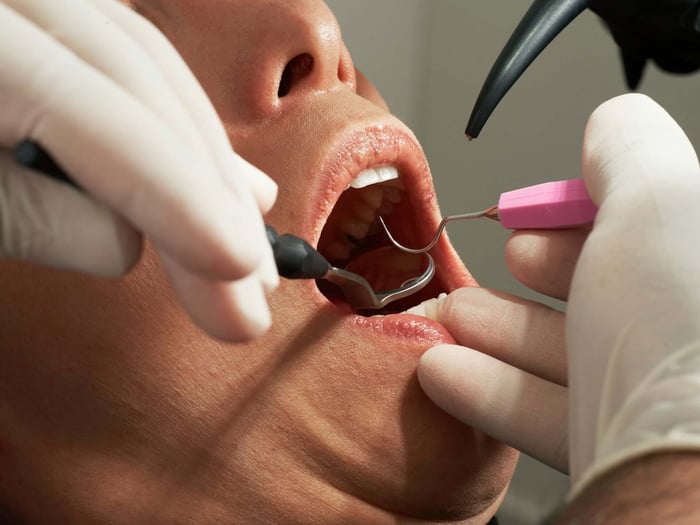
The dentist will check your child's teeth, gums, and jaw. They're looking for early signs of decay, checking spacing, and watching how teeth are coming in.
For very young children, this only takes a few minutes. The goal isn't a full adult exam—it's to get a baseline and make sure nothing needs attention right now.
Cleaning, Fluoride, and X-Rays (If Needed)
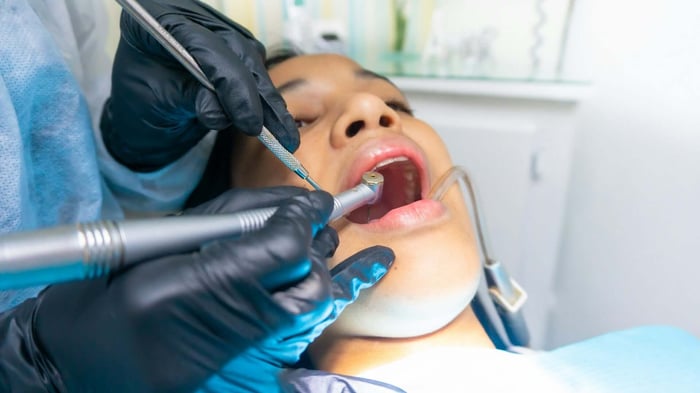
Depending on your child's age and mood, the dental team might do a gentle cleaning or apply a fluoride treatment. They'll skip X-rays for most first visits, but might suggest them when your child's teeth start touching.
These steps shouldn't feel scary. Modern dental tools are gentle, and the team explains everything in kid-friendly language before they do anything.
Questions Parents Can Ask
Your first visit is a great time to get advice that fits your child. Ask about brushing, diet, and what to expect next.
Here's a quick look at what dentists usually check at different ages:
| Child's Age | What the Dentist Typically Checks |
|---|---|
| 6 to 12 months | First tooth, gum health, bite alignment |
| 1 to 2 years | Cavity risk, brushing habits, fluoride needs |
| 2 to 3 years | Spacing, jaw growth, oral habits like pacifier use |
| 3 to 5 years | Primary teeth, early crowding, speech-related concerns |
Oral Habits Parents Should Mention Early
First appointments are a good time to bring up anything you've noticed at home. The dental team has heard it all.
Baby Bottle Tooth Decay and Feeding Patterns
Baby bottle tooth decay is pretty common. It happens when sugary drinks—milk, formula, juice—sit on teeth for too long.
Putting a child to bed with a bottle is a big factor.
Switching to water at bedtime is an easy fix. The NIDCR suggests teaching your child to use an open cup around age one to help cut down on tooth exposure to liquids.
Pacifier Habits, Thumb Sucking, and Teething
Pacifiers and thumb sucking are normal for babies. If those habits stick around past age three or four, they can change how teeth and jaws grow.
Let your dentist know about these habits so they can keep an eye on things.
Teething can make kids fussy or drool more. If you're not sure what's going on, ask the dentist—they can spot new teeth coming in and suggest safe ways to help.
Brushing Tips for Babies, Toddlers, and Preschoolers
Brushing changes as your child grows. Here's a quick guide:
- Under 3 years: Use a soft-bristle infant toothbrush with a rice-sized smear of fluoride toothpaste.
- Ages 3 to 6: Use a pea-sized amount of fluoride toothpaste; parents should still help.
- Ages 6 and up: Kids can start brushing solo, but parents should check until about age 8.
Start brushing twice a day as soon as that first tooth shows up.
Helping the Next Visit Feel Even Easier
After the appointment, the way you talk about it at home sets the tone for next time.
What to Do After the Appointment
Celebrate! Not with candy, but with excitement.
Tell your child you're proud of them for being brave. Let them share their story with someone else.
Ask what they liked best. When kids talk about their own experience, they feel more in control.
That usually makes the next visit go smoother.
Keeping Checkups Part of a Normal Routine
Routine helps. When dental visits happen regularly, they stop feeling like a big deal.
Most kids should have a dental checkup every six months, starting from the first visit.
Make dental care just another part of your week—like bedtime or bath time. Families who stick with it early often say their kids become surprisingly cooperative dental patients by school age.
When to Call for Extra Guidance
If something feels off, don't wait for the next appointment. If your child complains about tooth pain, you spot a chip or dark spot, or there's swelling and fever, call the office.
A practice offering family dental care in Carson will try to fit you in quickly.
Knowing you can reach out if needed takes a lot of the pressure off.
Frequently Asked Questions
When Should My Child Have Their First Dental Visit?
Plan for your child's first dental visit around their first birthday, or within six months after the first tooth appears. Early visits let the dentist catch small concerns and help your child get used to the dental office.
What Will Happen During My Child's First Dentist Appointment?
At your child's first visit, the dentist takes a gentle look at their teeth, gums, and jaw. They check for any early signs of cavities and see how the teeth are coming in.
If your child is old enough, the team might do a quick cleaning or add a bit of fluoride. Sometimes, they'll skip these steps for very young kids.
How Can I Talk to My Child About the Dentist in a Gentle, Positive Way?
Try simple, calm words like, "The dentist counts your teeth and helps keep them strong." Stay away from words that hint at pain.
You might want to read a story together about going to the dentist or play pretend dentist at home. It sounds small, but it really helps some kids relax.
What Should I Bring to My Child's First Dental Visit?
Pack any filled-out forms, a favorite comfort item, and your own list of questions. Make sure your child eats a light meal before you leave and gets some rest.
Skip snacks in the waiting room—clean teeth make the exam easier.
How Do I Help My Child Stay Calm in the Waiting Room and During the Exam?
Try to keep your mood relaxed. If you're calm, your child usually feels it too.
Let them hold a stuffed animal or small toy. Talk about the visit like it's just another quick stop on your list.
During the exam, you might be able to hold your child on your lap. That's often a big help for little ones.
What if My Child Cries or Refuses to Open Their Mouth at the Appointment?
Don't worry if your child gets upset or clams up. Most dental teams see this all the time and know how to handle it.
The staff stays gentle and patient. A little fussing doesn't mean anything went wrong.
The first visit is really about helping your child feel okay in a new place. No one expects a full exam if your child isn't ready.
Ready to schedule your child's first dental visit in Carson? Care Dental Center welcomes your family and wants to make things as easy as possible. Call (310) 626-0004 or request an appointment online.