Ever catch yourself wondering if your family is actually seeing the dentist enough? Maybe your kid just lost a tooth, your teen's halfway through braces, or you realized it's been over a year since your last cleaning. There's no single answer to how often you should go, and honestly, that's what makes it worth talking about.
At Care Dental Center in Carson, the staff gives real, personal answers to these questions. They'll help you figure out a schedule that fits, whether you're juggling your child's first visits or trying to keep up with your own dental work.
Keep reading to find out how visit frequency works for different ages and health situations, and what signs mean you should call sooner rather than later.
Key Takeaways
- Most people do well with dental visits every six months, but your health, age, and dental history might nudge that up or down.
- Each person in your family may need a different schedule—toddlers, teens, adults with crowns—no two are exactly alike.
- Some symptoms call for a visit before your next routine checkup. Catching things early usually makes life a lot easier.
The Usual Starting Point for Most Patients
Twice-a-year dental visits work for a lot of folks. It's a practical routine that helps your dental team spot problems early, track changes, and keep tartar under control.
Why Twice a Year Is a Common Baseline
Most people build up enough plaque and tartar in six months to need a cleaning. This schedule lets your provider check for decay, screen for issues, and take X-rays if needed. CDC data backs up the idea that routine dental visits lead to fewer treatments and lower costs in the long run.
If your gums are healthy, you rarely get cavities, and you keep up with brushing and flossing, this schedule usually works for years.
Why the Right Schedule Isn't the Same for Everyone
Some people actually do better with appointments every three or four months. Others, especially those with a spotless record and healthy gums, might be fine with once-a-year checkups. The point isn't to follow a calendar blindly—it's to catch small problems before they turn into big ones.
Your provider at a family dental checkup in Carson will look at your habits, health, and any recent changes before suggesting a visit schedule.
Dental Checkups vs. Dental Treatments
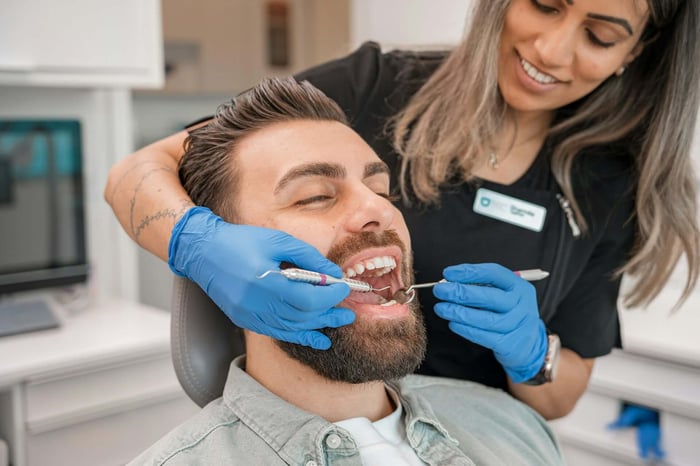
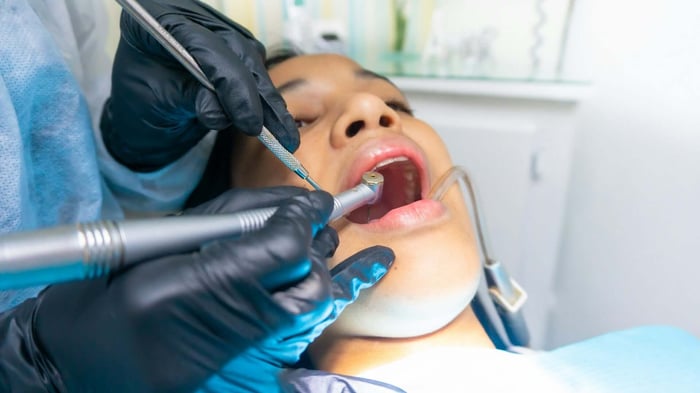
A dental checkup isn't the same as getting a filling or crown. The checkup is preventive: you'll get an exam, a cleaning, and X-rays if needed.
Treatments like fillings or crowns happen during separate appointments when there's something specific to fix. Keeping up with checkups helps you avoid needing composite fillings or bigger procedures later. The checkup is where your dentist spots a small cavity before it turns into a major headache.
What Changes How Often You Should Be Seen
Your own dental history shapes your schedule more than you might think. Two adults in one house might need completely different visit intervals.
Your Cavity and Gum Disease Risk
If you get cavities often or have gum disease, your dentist might recommend coming in every three to four months instead of every six.
Gum disease, especially, tends to creep up quietly. You might see bleeding gums or notice bad breath, but sometimes there are no signs until it's advanced. Periodontal disease responds best when caught early and managed with regular visits, so more frequent checkups make a real difference for some people.
Health History, Habits, and Age
Certain health issues—like diabetes, heart disease, or autoimmune disorders—are closely tied to oral health. There's a well-known connection between gum disease and overall health, so your dentist may suggest more frequent visits if you're managing these conditions.
Smoking or tobacco use increases risk for cavities and gum disease, too. Dry mouth from medications makes things worse by letting bacteria build up faster. Pregnancy can also lead to gum inflammation, even if you've never had issues before.
Age matters as well. Older adults usually have more dental work, shifting gums, and a higher risk for changes that need close monitoring.
How Past Dental Work Can Affect Recall Timing
If you've got crowns, bridges, dentures, or implants, your schedule might look different than someone with mostly natural teeth. Restorations themselves don't decay, but the gums and bone around them can still have problems. Implants need regular checks for signs of peri-implantitis (a form of gum disease that develops around the implant).
Old fillings can crack or leave gaps, letting decay sneak in underneath. At each visit, your dentist checks for these changes before they turn into bigger issues.
A Simple Schedule Guide for Your Whole Household
Every family member is at a different stage—so one size doesn't fit all. A good family dentist in Carson helps you keep everyone on track with a plan that actually works.
Here's a quick reference for how often to visit, depending on age and situation:
| Patient Type | Typical Visit Frequency |
|---|---|
| Infants and toddlers | Every 6 months starting at first tooth or age 1 |
| School-age children | Every 6 months, or more often if cavity-prone |
| Teens with braces | Every 3 to 4 months for cleanings |
| Healthy adults | Every 6 months |
| Adults with gum concerns | Every 3 to 4 months |
| Older adults with restorations | Every 3 to 6 months depending on complexity |
Dental Visits for Kids and Early Prevention
Kids should come in for their first dental visit when the first tooth shows up, or by age one. These early visits are more about getting comfortable, answering parent questions, and spotting concerns early. CDC research on oral health prevention shows that regular care from a young age leads to better outcomes down the road.
Most kids do well with checkups every six months. If your child gets cavities easily, your dentist might suggest more frequent visits or extra fluoride. Booking with a children's dentist in Carson helps start those healthy habits early.
Teens With Braces or Clear Aligners
Teens in braces need to keep up with their regular dental visits, not just orthodontic appointments. Braces create extra spots for plaque, and gums can change quickly if cleaning slips.
For those with metal braces, cleanings every three to four months usually work better than waiting six. Teens using Invisalign clear aligners in Carson have an easier time cleaning, but they still need regular checkups to make sure everything stays healthy.
Adults With Busy Schedules or Gum Concerns
A lot of adults skip dental visits because of time or cost—or because nothing hurts. Gum disease and cavities rarely cause pain until they're more advanced. Sticking to a twice-a-year routine, even when you feel fine, helps catch problems before they get complicated.
Flexible scheduling, like evenings or Saturdays, can help you fit visits into your life. If cost is a concern, financing options are available at most practices.
Older Adults With Crowns, Bridges, Dentures, or Implants
Dental work doesn't last forever, and as it ages, complications can pop up. Crowns might loosen or develop tiny gaps.
Dentures often need tweaks since the jawbone changes shape over time. Patients with implants really need regular check-ins to make sure the tissue and bone around them stay healthy.
If you're an older adult with several restorations or gum concerns, you might want to come in every three to four months instead of waiting for the six-month mark. Dr. Barkhordar and the team talk through the best timing with each patient, so you get a plan that fits your needs.
What Happens During a Routine Preventive Appointment
A standard preventive visit usually takes about 45 minutes to an hour. Most folks leave feeling just fine and know exactly where they stand with their oral health.
What Your Dental Exam Usually Includes
During your exam, your provider checks every part of your mouth—not just the teeth. They look for decay, cracks, gum disease, bone changes, and anything new since your last visit.
They'll take digital X-rays as needed for your age and risk, and sometimes snap intraoral photos to help you see what's going on.
Your provider also checks your bite, any existing dental work, and your gum tissue's health. Tracking these details helps spot changes early.
Professional Cleanings and Oral Cancer Screening
During your cleaning, the hygienist removes tartar that brushing and flossing just can't handle. Even with great home care, everyone gets some buildup.
A professional cleaning keeps that under control and helps prevent gum issues. The team also screens for oral cancer as part of your regular visit.
They check your mouth, tongue, throat, and jaw for anything unusual. It's quick, and it's a big reason routine dental visits matter.
When Your Next Visit May Be Sooner Than Six Months
If your provider spots something concerning—maybe early gum inflammation, a weird spot, or a worn filling—they might ask you to come back sooner. That's actually pretty common and doesn't mean there's a crisis.
It just means they want to keep a closer eye on things before deciding if you need treatment.
Sticking to the recommended schedule gives your dental team the info they need to make smart decisions about your care.
Signs It Is Time to Schedule Sooner
Don't wait for your next appointment if you notice changes in your mouth. Some symptoms mean you should get checked out sooner, and acting quickly almost always makes things simpler and less expensive.
Symptoms You Should Not Ignore
If you notice any of these, call your dental office—even if your next checkup isn't for months:
- Tooth pain or lingering sensitivity, especially to hot, cold, or pressure
- Gums that bleed regularly with brushing or flossing
- Loose adult teeth
- Bad breath that sticks around no matter what you do
- A sore, bump, or spot in your mouth that hasn't healed after two weeks
- Cracked, broken, or knocked-out teeth
- Swelling or pain in your jaw or face
- Fillings or crowns that feel loose or different
These aren't emergencies, but they are signals that something needs attention.
When a Checkup Can Turn Into Treatment
Sometimes, a routine visit reveals a problem that can be fixed right away, like a small cavity. Other times, your dentist might find something that needs a follow-up visit.
Catching a cavity early means you have options. If you wait until it hurts, those options shrink fast.
If your provider finds gum issues, you might get referred for periodontal care in Carson for deeper treatment.
Why Small Problems Are Easier to Manage Early
A tiny cavity just needs a quick filling. Let it go, and it could turn into a root canal.
Catch gum infection early, and a deep cleaning might do the trick. Ignore it, and you risk bone loss or even losing a tooth.
How to Stay on Track Between Visits
Your daily habits at home have a big impact on how your next dental visit goes. If you keep up with good routines, your provider won't have to work as hard to remove buildup, and you'll lower your risk for surprises at your checkup.
Daily Habits That Support Fewer Problems
Brushing twice daily with fluoride toothpaste and flossing once a day really do most of the heavy lifting. These steps remove soft plaque before it hardens into tartar and irritates your gums.
If you use a fluoride mouthwash, that can add a bit of extra protection—especially if you deal with dry mouth or have a history of cavities.
What you eat matters, too. Snacking on sugary or starchy foods keeps acid levels up, which wears down enamel faster. Drinking water throughout the day, especially fluoridated water, helps clear away food bits and supports saliva.
Brushing and Flossing Tips for the Whole Household
Technique matters as much as frequency. Brush for two full minutes, twice a day, and tilt the bristles toward your gumline to clean where gum disease starts.
The ADA's daily oral care guidance suggests using a soft-bristled brush and swapping it out every three or four months.
Kids usually need help brushing until they're around seven or eight to make sure they're getting every spot. For older adults with implants or dentures, special brushing methods help protect both the dental work and the tissue around it.
Flossing cleans between teeth and just below the gumline—places a toothbrush can't reach. If regular floss is tricky, floss picks or a water flosser can make things easier.
Making Dental Visits Easier to Keep
Booking your next appointment before you leave the office is one of the simplest ways to stay on track. Most practices can schedule six months ahead, so you don't have to remember to call later.
Families often find it easier to book several appointments back-to-back or on the same day. Evening and Saturday slots can help if weekdays don't work.
If cost has kept you from visiting, ask about payment plans or financing. Many dental offices in Carson offer flexible options to help you stay consistent with your care.
Frequently Asked Questions
Do Most Adults Really Need a Dental Checkup Every Six Months?
For many adults with stable oral health, twice a year works well. Some people with low cavity risk and healthy gums might get by with yearly visits, while others with gum issues or frequent cavities may need checkups every three to four months.
Your dental team can help you figure out what's best for you.
How Often Should a Professional Dental Cleaning Be Scheduled for a Healthy Smile?
Most people with healthy gums and good home care do fine with cleanings every six months. If you're dealing with early gum disease or tend to build up tartar quickly, your provider may suggest more frequent cleanings.
They'll review your needs at each visit and adjust as needed.
What Factors Can Make Someone Need Dental Visits More Often Than Average?
Things like gum disease, diabetes, dry mouth, smoking, frequent cavities, or certain medications can all mean you need more frequent visits. Pregnancy increases gum inflammation risk, so extra checkups might be recommended.
If you have crowns, bridges, or implants, those also require closer monitoring.
How Should the Visit Schedule Change if You Have Braces or Other Orthodontic Care?
If you have braces or clear aligners, you'll keep up with regular preventive checkups and also see your orthodontist. Braces make cleaning tougher, so plaque builds up faster, and you might need cleanings every three to four months.
Clear aligners make cleaning easier, but sticking to your regular checkup schedule is still smart.
How Often Should Kids See the Dentist, and When Should the First Visit Happen?
Kids should see the dentist around the time their first tooth comes in, or by age one at the latest. After that, most children do well with six-month checkups.
If a child is prone to cavities or has gum concerns, their schedule might be adjusted as they grow.
If You Have Gum Disease or Frequent Cavities, How Often Should You Be Seen for Follow-Ups?
Patients managing gum disease usually come in every three to four months for maintenance instead of the standard six. This helps control bacteria and catch changes early.
Once things are stable, your provider might stretch out the interval, but it's always a personalized decision.
Your Family's Next Step Starts With One Appointment
Figuring out when to book dental visits shouldn't feel like a puzzle. If you've found a provider who understands your family's needs, they'll handle the reminders and scheduling for you.
Maybe your household is overdue for a checkup, or perhaps you haven't found a steady dental home in Carson yet. Either way, this might be the right time to book that first appointment.You can call (310) 626-0004 or request an appointment for new patients online. The team will help you put together a schedule that fits your family's life.