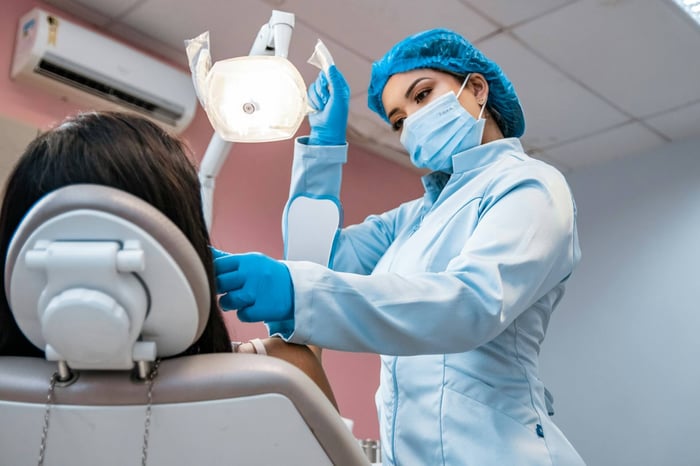
Early dental infections can begin with subtle warning signs — a bit of swelling, light tenderness, or mild tooth sensitivity — but acting quickly makes all the difference. Knowing what to look for helps you protect your smile before a small issue becomes a painful problem.
At Care Dental Center, our Carson team uses modern diagnostic tools and compassionate care to find infections early and treat them comfortably. By combining precision imaging with personalized prevention, we help patients avoid emergency procedures and maintain lasting oral health.
This article explains how to spot early symptoms, what causes dental infections, and when to seek care for fast, gentle treatment that restores comfort and protects your overall wellness..
Understanding Dental Infections
Harmful bacteria can get into your teeth or gums and cause dental infections. These infections lead to pain, swelling, and other signs you shouldn’t ignore. Knowing what causes infections and how they can differ helps you spot problems early and seek care before they get worse.
What Causes Dental Infections
Bacteria enter your mouth through cavities, broken teeth, or gum damage and start dental infections. Poor oral hygiene lets bacteria build up and create plaque. If plaque stays on your teeth too long, it can cause tooth decay or gum disease, which can then lead to infection.
Infections can also happen after dental procedures if bacteria enter the treated area. Common causes include:
Untreated cavities
Cracked or chipped teeth
Gum disease (gingivitis or periodontitis)
Poor brushing and flossing habits
Food trapped between teeth or under crowns
Daily dental care reduces your chance of infection. If you feel persistent pain or notice swelling, contact your dentist for an exam.
Difference Between Acute and Chronic Infections
Acute dental infections come on quickly, causing sharp pain, redness, and sometimes fever. Swelling around a tooth or severe sensitivity that gets worse fast may occur. These infections usually need urgent care to stop the spread and relieve pain.
Chronic infections develop slowly and may cause mild discomfort or no pain at all. They can still damage teeth and gums over time, leading to long-term problems. You might only find out you have one during a dental checkup.
Both types of infections need attention, but acute infections usually require faster treatment. Regular dental visits help catch issues early before they turn into chronic problems.
Recognizing Common Early Warning Signs
Knowing the early signs of a dental infection can help you get care before the problem gets worse. Pay close attention to any discomfort or changes you feel around your teeth or gums.
Early Pain Signals You Shouldn’t Ignore
The Mayo Clinic notes that tooth pain that persists more than a day or two, or worsens with chewing, often signals nerve inflammation from infection. Even mild, recurring discomfort means bacteria may be reaching the pulp or gum tissue.
Ignoring early pain allows the infection to spread to nearby teeth or bone. The Mayo Clinic recommends scheduling an exam promptly when pain lasts longer than expected or returns repeatedly.
Persistent Toothache or Pain
If you have a toothache that does not go away or keeps coming back, it could be a warning sign of infection. This kind of pain might feel sharp, throbbing, or constant. It often worsens when biting down or chewing.
A toothache happens when the nerves inside your tooth or surrounding tissue become irritated or infected.
Ignoring persistent pain can allow the infection to spread and make treatment more complex. If your toothache lasts more than a day or two, call your dentist. Early treatment can protect your smile and avoid bigger problems.
Swelling in Gums or Face
Swelling around your gums, cheek, or jaw may signal an infection nearby. The area might feel tender or look red. Your body fights bacteria by sending white blood cells to the site, causing swelling. Facial swelling can make it hard to open your mouth fully or swallow.
Infections causing swelling sometimes come with a bad taste in the mouth or bad breath. If you notice swelling that lasts or grows over time, reach out to your dentist soon. Prompt care is important to keep the infection from spreading deeper.
Sensitivity to Hot or Cold
If your tooth feels very sensitive when eating or drinking something hot or cold, an infection might be starting. This sensitivity happens when the tooth’s protective layer thins or the nerve inside gets inflamed.
You might notice pain that lasts only a few seconds or continues after the hot or cold food is gone.
This kind of sensitivity often comes before more serious symptoms like a toothache. If you frequently experience this after meals or drinks, mention it at your next dental visit. Catching these signs early can help keep your teeth healthy.
Identifying Changes in Gum Health
Your gums can show early signs of dental infection through small but clear changes. Watching for shifts in color, sensation, or shape can help you catch problems before they worsen. Pay attention to how your gums feel when you brush, floss, or simply look in the mirror.
Redness and Tenderness
Healthy gums usually have a pink color and feel firm. If you notice your gums turning red or looking swollen, this could mean an infection is starting. Tenderness is also a key sign. If your gums feel sore or uncomfortable, especially when eating or touching them, your body may be reacting to bacteria.
Red and tender gums often appear at the edges where the teeth meet the gums. These symptoms can come and go, but should not be ignored. If they last more than a few days, visiting your dentist can help you get the right care early.
Bleeding During Brushing or Flossing
Bleeding gums are a common warning sign of gum infection or inflammation. You might see small spots of blood when brushing or flossing, even if you use gentle strokes. While minor bleeding sometimes happens with vigorous flossing, regular bleeding is a red flag.
Bleeding shows your gums are irritated or damaged by plaque buildup. It’s important to keep up with daily cleaning, but also to schedule a dental checkup if bleeding continues. Your dentist can help prevent the issue from turning into something more serious.
Receding Gum Lines
If your gums start to pull back from your teeth, making the teeth look longer than before, this is called a receding gum line. Early infections that weaken the gums or brushing too hard can cause this change.
Receding gums can expose sensitive areas of your teeth and make you more prone to cavities or infection. You might feel increased tooth sensitivity in these spots. Taking care of gum health and asking about treatment options at your next visit can protect your smile.
Spotting Less Obvious Symptoms
Sometimes dental infections don’t show clear pain early on. You might notice subtle signs that your teeth or gums aren’t healthy. Paying attention to these small changes can help you get care before problems get worse.
Bad Breath or Unpleasant Taste
If you often have bad breath or a strange taste in your mouth, it might be more than just what you ate. These can happen when bacteria build up because of an infection. The smell may be persistent, not going away after brushing or using mouthwash.
This is a sign that your gums or teeth could be infected. You may also notice the taste stays bitter or sour without any clear cause. If this lasts more than a few days, it’s a good idea to visit your dentist. They can check if there’s an early infection and help stop it from getting worse.
Loose Teeth
Loose teeth are not just a normal part of aging. If you feel that one or more teeth move more than usual or wiggle slightly, it could signal infection or gum disease. Infection can weaken the tissue and bone holding your teeth.
This can happen without pain at first. If untreated, it may lead to tooth loss. You should see your dentist if you notice any looseness. Early treatment helps keep your teeth steady and protects your smile.
Difficulty Chewing
If you start having trouble chewing food on one side of your mouth or feel pain when biting down, it could mean an infection is developing. The infection might inflame or irritate the nerves and tissues around a tooth, making chewing uncomfortable.
This problem might come on slowly, so you might not realize right away that something is wrong. Watch for any changes when eating or if you avoid certain foods. A dental visit can find the cause and help restore your chewing comfort with treatments that protect your teeth and gums.
When to Seek Professional Dental Help
Knowing when to see a dentist can protect your teeth and gums from worse problems. Some symptoms mean you should get care fast, while others call for preparation to make your visit smoother and more helpful.
Warning Signs That Need Immediate Attention
If you have severe tooth pain that won’t stop, contact a dentist right away. Swelling in your face or gums, fever, or pus around a tooth could mean an infection that needs quick care. Other signs include difficulty swallowing or breathing, which can be serious and require urgent attention.
Bleeding that doesn’t stop, or intense tooth sensitivity, might also mean a problem that can’t wait. If you notice any of these signs, calling your dentist soon will help you get the right treatment to prevent infections from spreading.
Preparing for Your Dental Appointment
Before your visit, write down your symptoms and when they started. This helps the dentist understand what’s happening. Also, list any medications you take and your medical history. Be ready to describe your pain or discomfort clearly.
If you have pictures or notes about changes in your mouth, bring those too. Asking questions about treatment options is a good idea. Dental staff will explain what to expect and help you feel comfortable. Bringing a friend or family member can give extra support during your appointment.
Act Early to Protect Your Smile and Prevent Pain
Dental infections rarely start as emergencies — they develop quietly. Recognizing early warning signs like swelling, redness, or persistent pain lets you act before damage spreads. Quick care restores comfort and keeps your teeth strong.
At Care Dental Center, our Carson dentists use gentle diagnostics and tailored treatments to catch infections early and protect tissue. We focus on education, comfort, and precision for long-term oral wellness.
If you’ve noticed any warning signs of infection, schedule your visit today for thorough, patient-focused care that keeps your smile healthy and pain-free.
Frequently Asked Questions
Knowing the signs of a dental infection early can help you avoid bigger problems. Some symptoms signal that the infection might be spreading or getting worse.
What are common symptoms indicating a tooth infection is spreading?
You might feel increased pain that gets worse over time. Swelling in your face, neck, or jaw can appear. Fever or feeling generally unwell also suggests the infection may be moving beyond the tooth.
What should you do when you suspect you have a dental infection?
Call your dentist right away to get checked. Avoid ignoring the pain or swelling. Gentle, patient-focused care helps you feel comfortable during treatment.
How can you tell if a tooth infection is affecting other parts of your body?
Look for swelling that extends beyond your mouth. Difficulty swallowing or breathing needs quick attention. Fever and feeling weak can be signs that the infection is reaching other areas.
When should you seek immediate care for a tooth abscess?
If you have severe pain, swelling that spreads quickly, or trouble breathing or swallowing, seek care right away. Emergency dental care can prevent serious complications.
What are the early warning signs of a dental infection?
Early signs include constant tooth pain, sensitivity to hot or cold, redness, and slight swelling near the tooth. You may notice a bad taste or odor in your mouth.
Can a dental infection cause complications without visible symptoms?
Yes, some infections start deep inside the tooth and cause a few early signs. Regular dental checkups can help catch issues before they become serious.