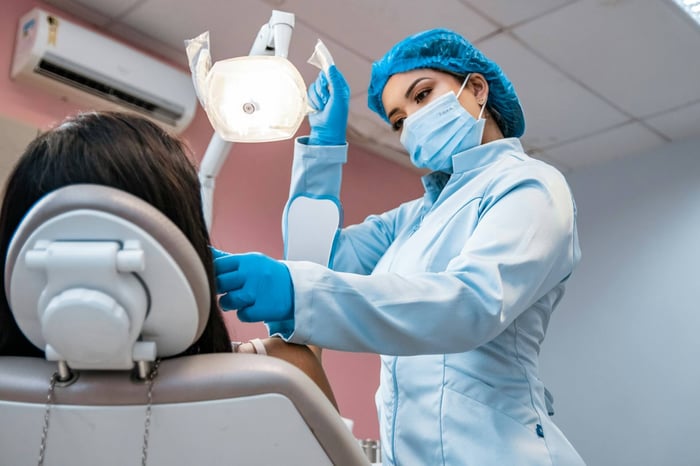
If your teeth appear uneven, chipped, or deeply stained, veneers may offer a long-lasting and natural-looking solution. This cosmetic treatment enhances both color and shape by covering the front surface of your teeth with thin, custom-made shells.
At Care Dental Center in Carson, we use advanced materials and precise digital design to ensure veneers blend seamlessly with your natural smile. Every treatment plan focuses on achieving balance, comfort, and an aesthetic that fits your facial features perfectly.
In this article, you’ll learn when veneers are recommended, how they improve tooth appearance, and what to expect from the process so you can make an informed, confident decision about your smile.
Key Takeaways
Veneers can quickly improve tooth shape and color when other treatments fall short.
Material choice affects durability, look, and cost.
Plan for maintenance and possible future replacement.
The Science Behind Veneers and Enamel Bonding
Veneers work by bonding securely to enamel through a process called micromechanical retention.
The American Dental Association (ADA) explains that bonding agents create a durable link between porcelain and natural enamel, preserving more tooth structure than crowns. This science is what gives veneers both strength and translucency similar to real teeth.
How Veneers Improve Tooth Shape and Color
Veneers let you change tooth shape and color precisely. They can make teeth look straighter, longer, or whiter while keeping most of your natural tooth underneath.
Correcting Uneven Tooth Contours
If one tooth looks thicker, narrower, or bulged compared with its neighbors, a cosmetic dentist can reshape it with veneers. Porcelain veneers are custom-made shells that cover the front surface and match the shape of adjacent teeth.
The dentist removes a thin layer of enamel during tooth preparation so the veneer sits flush and looks natural.
Composite veneers can be built up directly on the tooth in a single visit if only small contour fixes are needed. This option preserves more enamel and is easier to repair. Both types let the dentist control width, taper, and surface texture to create smooth, even contours that blend with your smile.
Lengthening Short or Worn Teeth
Teeth that appear short from wear, grinding, or genetics can be lengthened with veneers. Porcelain veneers are crafted in a lab to the exact length and shape you want for a balanced bite. The dentist checks bite alignment before final bonding to avoid future chipping.
If you grind your teeth, a nightguard is usually recommended after placement to protect the porcelain. Composite veneers can also lengthen teeth in one visit, but may need more maintenance.
Veneers restore tooth length while preserving most of the natural tooth, making your smile look more youthful and proportional.
Masking Stubborn Tooth Discoloration
Some stains do not respond to bleaching, such as deep intrinsic discoloration or tetracycline staining. Dental veneers cover the front of the tooth and hide these colors without aggressive whitening. Porcelain veneers resist stains and keep a bright shade longer than composite.
The cosmetic dentist will choose a shade that matches nearby teeth and your skin tone. Minimal enamel removal during preparation helps the veneer sit naturally and prevents a bulky look. Composite veneers can mask discoloration, too, but they may pick up stains and need touch-ups more often than porcelain.
Reshaping Edges for Uniformity
Chipped or irregular edges break the visual flow of a smile. Veneers smooth and align edges so teeth look even across the front. The cosmetic dentist trims enamel very conservatively, then bonds custom veneers that recreate straight, smooth edges.
Porcelain offers sharper, long-lasting edge definition and resists wear, while composite lets the dentist refine edges chairside for quick fixes. This precise edge work improves symmetry and reduces gaps or overlaps, making your smile appear more consistent and well-crafted.
Types of Veneers and Their Indications
You can change the tooth shape or color with several veneer types. Choose based on how much enamel you want removed, how long you want results to last, and your budget.
Porcelain Veneers: Natural Look and Long-Lasting Color
Porcelain veneers are thin ceramic shells bonded to the front of teeth. They mimic natural enamel, so they give the best translucency and color stability for stained or misshapen front teeth.
Expect two or more visits: tooth preparation, impressions, and final cementation. Traditional porcelain and minimal-prep porcelain both exist; minimal-prep reduces enamel removal but still needs careful planning.
Porcelain works well for large stains, broken teeth, uneven shapes, or full smile makeovers. It resists staining and lasts 10–20 years with good care. Porcelain is less repairable than composite and costs more.
Composite Veneers: Budget-Friendly Smile Enhancements
Composite resin veneers are applied directly in one visit. The dentist sculpts the composite on the tooth and bonds it with adhesive. This makes composite veneers affordable and easy to fix if they chip.
They suit small corrections: closing gaps, reshaping small teeth, or masking mild discoloration. Composite stains faster and usually lasts 3–7 years, depending on diet and care. You can get palatal composite veneers for worn front teeth when function matters.
If you want a temporary option or a lower cost, composite gives a quick, reversible improvement.
No-Prep and Removable Veneer Options
No-prep and removable veneers offer the least invasive choices. No-prep veneers (often called Lumineers or other minimal-prep systems) are ultra-thin shells bonded with little or no enamel removal. They work best if your teeth are small, spaced, or need slight reshaping.
Removable or snap-on veneers clip over your teeth without bonding. They provide an instant cosmetic change and cost less, but they can feel bulky and are not a long-term fix. Use removable veneers for special events or trial smiles.
Both options may not mask severe stains or very crooked teeth as well as porcelain or full-prep solutions.
Veneers vs. Other Cosmetic Dental Treatments
Veneers change the front surface of teeth to fix color, shape, and small alignment issues. They usually last longer than bonding and cover stains that whitening can’t remove.
Veneers vs Crowns: Key Differences
Crowns cover the entire tooth and give strength when a tooth is cracked, badly decayed, or has a large filling. If your tooth needs structural repair, a crown is the safer choice because it protects all sides of the tooth.
Veneers only cover the front and sometimes the edge. They preserve more natural tooth structure and look very natural for front-tooth smile design. You must remove some enamel for veneers, so the change is permanent.
If you want both strength and full coverage, choose a crown. If you want a cosmetic fix for front teeth with minimal invasion, veneers often work better.
Veneers Versus Teeth Whitening or Bonding
Teeth whitening only changes color. If your discoloration is deep or caused by medication, whitening may not help. Whitening is cheaper and non-invasive, so try it first for surface stains. Bonding uses tooth-colored resin to fix chips, small gaps, or shape issues in one visit.
It costs less than veneers but stains more and wears faster. Bonding suits quick, low-cost fixes. Veneers resist stains better than bonding and offer a more uniform color and shape. Choose bonding for short-term fixes; choose veneers for a long-lasting, polished cosmetic dental procedure.
Alternatives: Orthodontic and Implant Solutions
Orthodontic treatment (braces or clear aligners) moves teeth to correct alignment and bite. If your main issue is crowding, spacing, or bite, orthodontics fixes function and appearance but takes months to years. It won’t change tooth color.
Dental implants replace missing teeth by placing a titanium post and a crown. If a tooth is beyond repair, an implant restores chewing and looks like a natural tooth. Implants are a surgical option and cost more than veneers.
You might combine treatments: orthodontics first for alignment, then veneers for color and shape, or an implant where a tooth can’t be saved. The dentist can map a plan based on which cosmetic dental treatments match your goals.
What to Expect: Procedure, Longevity, and Daily Care
You will learn the main steps of getting veneers, how long they usually last, and the daily care that keeps them looking good. Expect tooth shaping, a temporary phase, lab-made permanent veneers, and simple habits that extend their life.
Consultation and Tooth Preparation
At your first visit, the dentist checks your oral health and talks about goals and cost, including options like porcelain veneers or a single veneer. X-rays and photos help plan how much enamel to remove.
Tooth preparation usually means shaving a thin layer—often less than a millimeter—from the front of each tooth so the veneer sits flush.
If you have cavities or gum disease, the dentist treats those first. The team may take digital scans or impressions for the dental laboratory. You’ll agree on shade, shape, and whether to use no-prep or traditional preparation.
Temporary to Permanent Veneer Placement
After tooth preparation, the dentist places temporary veneers to protect the teeth and let you test the look. Temporaries let you check shape and bite. The dental lab uses your impressions to craft permanent veneers, usually from porcelain, which resists stains better than composite.
When the permanent veneers arrive, the dentist tries each one, adjusts fit and color, then bonds them with dental cement and a curing light. The process takes a few appointments over 1–3 weeks. Ask about the cost of veneers and porcelain veneers before starting, so you know the total investment.
Caring for Your Veneers and Natural Teeth
Brush twice daily with a soft brush and non-abrasive toothpaste. Floss every day to keep the edges clean and prevent decay at the margins. Avoid using your teeth to open packages and don’t bite hard objects.
Limit stain-causing foods and drinks like coffee, tea, and red wine to keep veneers looking bright. If you grind your teeth, wear a night guard to protect your veneers from chips and early wear. Schedule dental check-ups every 6 months so the dentist can catch small issues early.
Common Risks and Tips for Longevity
Veneers can chip, crack, or loosen if you bite hard foods or clench your teeth. Porcelain veneers typically last 10–15 years; composite lasts about 5–7 years. Your habits, the skill of the dentist, and the dental laboratory’s quality all affect lifespan.
Watch for sensitivity or a loose veneer and call the dentist right away. Regular professional cleanings, avoiding abrasive toothpaste, and using a night guard when needed will extend life. If a veneer fails, the dentist can repair or replace it, but that may affect cost and time.
Achieve a Smooth, Confident Smile with the Right Veneer Choice
Veneers can be a life-changing cosmetic solution when designed and placed correctly. They allow you to refine tooth shape, close gaps, and brighten discoloration in a way that looks natural and balanced.
At Care Dental Center, our team utilizes precision design and modern materials to craft your veneers. We take a personalized approach to ensure they enhance your appearance and provide comfortable function for years to come.
If you’ve been thinking about improving your smile, schedule a consultation to explore whether veneers are right for you and discover how advanced dental artistry can create results that look and feel beautifully natural.
Frequently Asked Questions
You can close small gaps, change tooth shape, and hide stains with several options. Some fixes are fast in one or two visits, while others need longer treatment or follow-up care.
What are the best treatment options for closing gaps in teeth as one ages?
If gaps are small, veneers or bonding can fill them quickly and look natural. Veneers cover the front of teeth; bonding uses tooth-colored resin applied directly. For larger gaps or shifting from age-related bone loss, a bridge or implant may be better. Orthodontic treatment can also move teeth to close spaces long-term.
How can veneers be used to correct discoloration in teeth?
Porcelain veneers cover the front surface and mask deep stains that whitening cannot remove. The dentist matches the veneer shade to the surrounding teeth for a natural look. Veneers keep their color over time, so they won’t change with whitening. If you want whiter teeth first, whiten natural teeth before getting veneers, so the dentist can match the final color.
Is there a way to address tooth gaps without using braces?
Yes. Dental bonding and veneers can close gaps without braces. These options usually take one or two visits. Clear aligners or short-term orthodontics are other non-brace choices if you prefer to move teeth rather than cover gaps. The dentist will recommend the best method for your tooth size and bite.
What should be expected in terms of longevity with dental veneers?
Porcelain veneers typically last between 5 and 20 years, depending on care and habits. Avoid chewing hard objects, and wear a night guard if you grind your teeth to extend your life. Regular dental checkups and good oral hygiene help catch problems early and keep veneers lasting longer.
Can the shape of existing dental veneers be altered after they are applied?
Minor adjustments to the shape can sometimes be done by polishing or reshaping the porcelain. Major reshaping usually requires replacing the veneer. Talk to your dentist before making changes. They can assess whether a simple adjustment will work or if a new veneer is needed.
Are veneers a solution for spaces between the tooth and gum line?
Veneers can hide small spaces at the front of teeth, but they do not fix gaps caused by gum recession or missing tooth structure near the root. In those cases, gum treatment or restorative options like crowns or implants may be required.
The dentist will evaluate whether veneers can cover the space safely or if other treatments will produce a more stable result.