You might’ve noticed your lower teeth crowding a little more each year. Maybe a gap opened up that wasn’t there a decade ago, or your bite feels just a bit off when you chew. You’re not imagining things.
Teeth keep shifting throughout life, and those changes often stand out more after 40. If you’re wondering whether Invisalign® works for adults over 40, the honest answer: yes, it can.
Dr. Barkhordar is an Invisalign® Diamond+ top 1% provider with orthodontic training from the Harvard School of Dental Medicine.
He treats adults in their 40s, 50s, and even older right here in Carson. His experience with adult cases means your treatment plan gets tailored for mature teeth, existing dental work, and a packed schedule.
So, why do so many adults over 40 turn to Invisalign®? How does the process differ from what teenagers go through? What’s daily life with clear aligners like, and can you afford it? The sections below walk through all of it, so you can weigh your options for a healthier, more confident smile.
Why Adults Over 40 Choose Invisalign®
Adults over 40 are one of the fastest-growing groups choosing clear aligners. It’s not just about looks. Straighter teeth help with chewing, make cleaning easier, and support long-term dental health.
Common Reasons Teeth Shift in Adulthood
Your teeth are always on the move. Bone density drops, years of chewing take their toll, and ligaments naturally age, all causing small shifts.
According to the American Association of Orthodontists, smile changes with age are normal. Gradual bone loss, gum recession, and the natural forward drift of lower teeth all play a part.
If you had braces before and didn’t stick with retainers, teeth can drift out of place again. Tooth loss, grinding, and even jaw posture changes can make crowding or gaps pop up in your 40s or later.
Genetics matter, too. Some adults notice their parents’ teeth shifted in similar ways. The upside: these changes are predictable and treatable at almost any age.
What Clear Aligners Can Correct
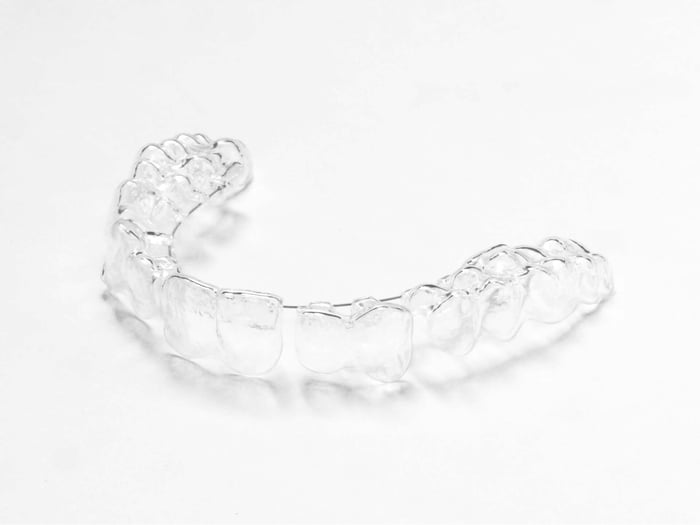
Invisalign® tackles a wide range of alignment issues in adults, including:
Mild to moderate crowding
Gaps between teeth
Crossbite (upper and lower teeth overlapping incorrectly)
Overbite or underbite
Open bite (front teeth that don’t touch when you close)
Teeth relapsed after earlier braces
Not every situation is right for clear aligners alone. Complex bone or jaw issues might need something different. A thorough evaluation shows if Invisalign® treatment in Carson fits your goals.
How Straighter Teeth Support Long-Term Oral Health
Crowded or overlapping teeth trap plaque where your brush and floss just can’t reach. That buildup raises your risk for cavities, gum inflammation, and periodontal disease. Aligned teeth are simply easier to keep clean during daily home care.
A balanced bite spreads chewing forces so you’re less likely to crack a tooth, wear down enamel, or strain your jaw joint. For a lot of adults, those health benefits matter even more than looks.
What Makes Treatment Different After 40
Your mouth at 45 isn’t the same as it was at 15. Aligner therapy works well, but the plan has to account for bone changes, gum health, and any dental work you’ve picked up over the years.
Bone Density and Slower Tooth Movement
Bone remodeling (the process that lets teeth move) slows down with age. So, you may need to wear each set of aligners a bit longer before switching to the next tray.
This slower pace protects your roots and bone. Your orthodontist sets the force in each tray so your teeth move at a rate your bone can handle safely.
Why Gum Health Comes First
Healthy gums are non-negotiable for orthodontic treatment. If you’ve got gum disease, you’ll need to tackle that before starting aligners. Moving teeth through inflamed tissue can make bone loss worse and cause complications.
A deep periodontal cleaning or other gum therapy might come first. Once gums are stable, aligner treatment can start safely. Ongoing gum disease prevention during treatment keeps things on track.
How Crowns, Veneers, and Implants Affect Planning
Many adults over 40 already have crowns, veneers, bridges, or dental implants. Each of these changes how your provider plans treatment.
Existing Dental Work | How It Affects Invisalign® Planning |
|---|---|
Crowns | Attachments (tiny bonded bumps) may not stick as well to porcelain. Placement is adjusted. |
Veneers | Aligners still fit, but your orthodontist avoids forces that could chip or loosen veneers. |
Dental implants | Implants don’t move since they’re fused to bone. Your other teeth move around them. |
Bridges | Teeth in a bridge can’t move individually. The plan works around those fixed units. |
Large fillings | Usually not an issue. Your orthodontist checks each filling for stability first. |
These things don’t rule you out. They just mean you need someone who knows how to customize adult plans.
How Long Average Invisalign® Treatment May Take
For adults, Invisalign® usually takes about 12 to 18 months. Mild cases might wrap up in 6 months. If your teeth need more complex changes, treatment can take up to 24 months.
Your timeline depends on how misaligned your teeth are, how your bone responds, and how faithfully you wear your trays. A seasoned provider will give you a realistic estimate at your first visit.
Daily Life, Cost, and Realistic Expectations
Living with Invisalign® aligners is more straightforward than most adults think. The tweaks to your daily routine are minor, and they feel automatic after the first week or so.
Wearing Removable Aligners 20 to 22 Hours per Day
Clear aligners need to stay in your mouth 20 to 22 hours per day to keep your treatment on track. You’ll only take them out to eat, drink anything besides water, brush, and floss.
Most adults find it manageable once they build a quick routine around meals. Keep your aligner case handy, so you always have a clean spot to stash trays while eating. Rinse your aligners before popping them back in.
If you skip wear time, you’ll add weeks or even months to your treatment. Consistency matters most here.
Speech, Comfort, and Social Confidence
You might notice a mild lisp the first day or two with a new tray, but it fades as your tongue gets used to it. Most people around you won’t notice a thing.
Expect some pressure or tightness when you switch to a fresh set of trays. That means your teeth are moving. Usually, this lasts a day or two and rarely needs anything other than an over-the-counter pain reliever. If dental anxiety is an issue, talk to your provider about comfort options.
A lot of adults say clear aligners boost their confidence during treatment since the trays are nearly invisible. You can smile in meetings, photos, and social settings without feeling self-conscious.
Understanding Invisalign® Treatment Cost and Financing
For adults, Invisalign® usually runs between $3,000 and $8,000, depending on how complex your case is and how long you’ll need treatment. That’s in the same range as traditional braces.
What affects your total cost?
How many aligner trays you’ll need
If you’ll need refinement trays
Retainers after treatment
Any prep work like cleanings or gum therapy
How often you’ll need office visits
Many dental insurance plans have an orthodontic benefit that covers adults, too. Check if your plan will help with aligner therapy, and review your dental financing plans before your first visit. Payment plans and third-party financing can break up the cost into monthly payments so money doesn’t have to be a barrier to a healthier smile.
What Results Can Realistically Look Like
Clear aligners make real, visible changes in tooth position for most adult patients. You’ll see improved alignment, a more comfortable bite, and teeth that are easier to keep clean.
But don’t expect a result that ignores biology. If you’ve lost a lot of bone, your teeth can move into healthy positions, but they might not look exactly like a textbook teenager’s result. A good provider will show you digital projections of your expected outcome before you start.
Retention is just as important as the active part of treatment. Wearing a custom retainer as directed keeps your results stable for years. Skip it, and teeth can drift back.
How to Take the Next Step With Confidence
Getting straighter teeth instead of just thinking about them often comes down to finding the right provider and, well, making that call.
Why Experience and Advanced Planning Matter
Adult Invisalign® cases have more variables than teen cases. Your provider needs to check gum health, existing restorations, bone quality, and bite function before making a plan. Age isn’t usually a barrier to orthodontic treatment for adults, but you need a custom approach.
If you work with a Diamond+ top 1% Invisalign® provider, you’re with someone who has handled adult cases at every level of complexity. That experience means more accurate planning and fewer surprises along the way.
3D imaging and digital treatment simulations let you see what your results could look like before you commit. These tools also help your provider spot potential issues early and adjust the plan if needed.
When to Schedule an Appointment
There’s really no wrong time to reach out, but a few situations make it especially smart to act soon:
You’ve noticed crowding or shifting in your teeth recently
Your dentist pointed out bite issues causing wear on certain teeth
You’ve been putting off a smile change you’ve wanted for ages
Your dental insurance benefit is about to reset, and you’d like to use up any remaining coverage
You want a professional cleaning and orthodontic evaluation together
The office keeps appointment slots that work around a packed week, so fitting in a consultation might be easier than you think.
Ways to Contact Us or Book a Consultation
Curious what Invisalign® for adults over 40 could do for your smile? Reach Care Dental Center at (310) 626-0004 or request an appointment through the online booking form. Dr. Barkhordar’s team will walk you through all the options at a pace that works for you.
Frequently Asked Questions
Here are the questions adults over 40 ask most often before starting clear aligner treatment.
Is It Still Worth Straightening My Teeth in My 40s, and What Results Can I Realistically Expect?
Definitely. Straighter teeth are easier to keep clean, help prevent uneven wear, and lower your risk for gum issues. Most adults notice real improvement in alignment and bite comfort in just a few months, with full results by the end of treatment.
How Long Does Clear Aligner Treatment Usually Take for Adults With Mild vs. More Complex Crowding?
Mild crowding or small gaps usually finish up in 6 to 12 months. More involved cases often need 12 to 18 months, sometimes up to 24. After your evaluation, your provider will give you a personal estimate.
Will Clear Aligners Feel Comfortable, and How Much Soreness Is Normal After a New Set of Trays?
It’s normal to feel mild pressure or tightness for a day or two after switching trays. Think dull ache, not sharp pain. Most adults handle it with over-the-counter pain relief, and it fades quickly.
Can Dental Insurance Help Pay for Adult Orthodontic Treatment, and What Should I Check in My Benefits?
Many plans do have an orthodontic benefit for adults. Check your lifetime orthodontic maximum, any age limits, and whether clear aligners are covered the same as braces. The front office team can help you look over your coverage before you get started.
What Does the Total Cost Typically Include, and What Extra Fees Should I Ask About Before Starting?
Most quotes include the aligners, office visits, refinement trays, and your first set of retainers. Ask if things like X-rays, dental cleanings, or gum therapy are billed separately so you know the full cost up front.
What Is the "5-Year Rule" Some People Mention, and Does It Mean Teeth Will Shift Back After Treatment?
The "5-year rule" is an informal idea: teeth are most likely to shift during the first five years after treatment. Wearing your retainer as directed, especially at night, keeps things stable. Many orthodontists suggest long-term retainer use for the best results.
Your Smile Does Not Have an Expiration Date
Age doesn’t decide if you can have straighter, healthier teeth. What really matters: a good plan, an experienced provider, and sticking with your aligners. Adults over 40 in Carson deserve the same access to comfortable, modern orthodontic care as anyone else.
Your next step? Just a conversation. Call Care Dental Center at (310) 626-0004 or book a consultation online. The team will talk you through every detail, answer your questions, and help you find a timeline and payment plan that fits your life.