You've probably thought about whitening your teeth for a while. Maybe you caught a glimpse of your smile in a recent photo, and it looked a bit dull. Or maybe the coffee stains just won't brush away.
With so many products on store shelves and even more treatments online, it's easy to feel overwhelmed. You want something that actually works, fits your budget, and doesn't leave your teeth worse off.
The right choice is rarely about which product whitens "best." It depends on how your stains formed, how sensitive your teeth are, and how fast you want results. A method that works for a friend with coffee stains may do very little for deeper discoloration.
In this guide, you'll find teeth whitening options compared side by side: speed, cost, longevity, and safety.
You'll also learn what can affect your results before you even start, plus how to choose safely in Carson. Once you can see all three paths clearly, picking one stops feeling like a gamble.
The Three Main Paths to a Brighter Smile
All whitening methods use some kind of peroxide to break up stain molecules on or in your enamel. The differences? It comes down to peroxide strength, how the product touches your teeth, and whether a dental pro is involved.
In-Office Professional Whitening
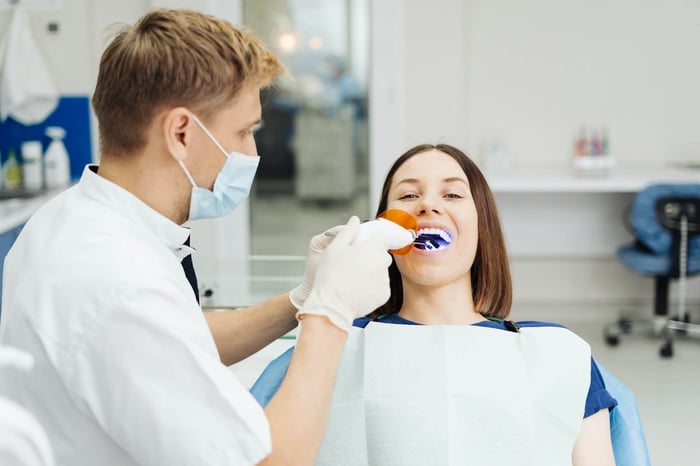
In-office whitening uses the strongest peroxide concentration you can get. Your dentist puts a hydrogen peroxide gel (usually 25% to 40% strength) on your teeth after protecting your gums with a shield or barrier gel.
Some offices use an LED light or laser to speed things up, but the peroxide does the heavy lifting.
You're usually in the chair for 60 to 90 minutes. Because the peroxide is so strong, you'll see a big difference before you even leave. Dentists keep an eye on your gums and enamel during the whole process, so there's less risk of irritation.
This route is the fastest and most controlled. It's great for adults who want visible results for an event or have stubborn stains that just won't budge with weaker products. In Carson, Dr. Barkhordar offers professional teeth whitening at Care Dental Center, with gum protection built into every session.
Dentist-Supplied Custom Take-Home Trays
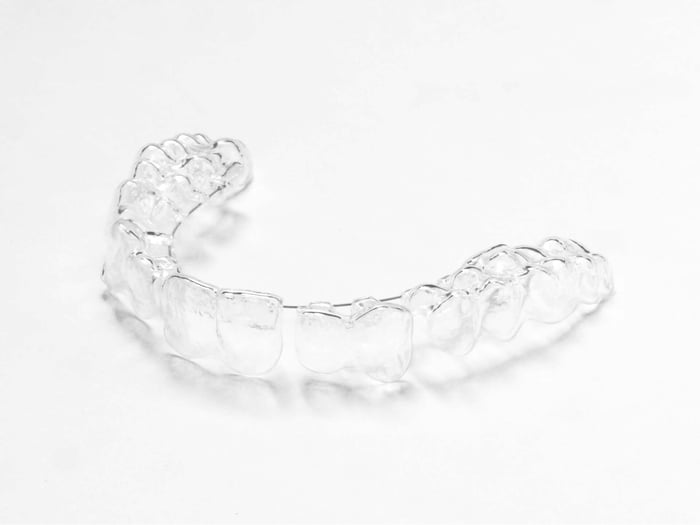
Custom trays are the middle ground between in-office sessions and store kits. Your dentist takes impressions and makes trays that fit your teeth exactly. You fill the trays with a carbamide peroxide or hydrogen peroxide gel (usually 10% to 22%) and wear them at home for a few hours a day.
Because the trays fit so well, the gel stays put and doesn't pool on your gums. That means more even results. Treatment usually takes one to three weeks, depending on gel strength and how stained your teeth are.
If you want to whiten at your own pace but still want professional-level results, this is a solid pick. You get a stronger gel than store products and a tray made just for you.
Store-Bought Strips and Kits
Over-the-counter options include whitening strips, LED kits, pens, and toothpastes, and any drugstore shelf holds dozens of them. These use lower concentrations of hydrogen peroxide or carbamide peroxide, usually 3% to 10%.
Strips are thin, flexible plastic coated with peroxide gel. You press them onto your teeth for about 30 to 60 minutes a day. LED kits pair a gel with a light-up mouthpiece, and pens let you brush gel on specific teeth.
Over-the-counter bleaching products carry less bleaching agent than professional ones, so look for the ADA Seal of Acceptance when you shop.
Strips and kits are cheaper up front, but they can't match the speed or depth of professional whitening. They're fine for mild surface stains, but uneven strip placement might leave you with patchy results. So, how do all three stack up?
Teeth Whitening Options Compared: Speed, Cost, Longevity, and Fit
Results depend on the method, the type of stains, and your starting shade. Here's how the four big factors line up.
How Fast You May See Shade Improvement
In-office whitening can lighten your teeth by several shades in just one appointment. Custom trays usually show a difference in the first week, with full results in two or three weeks. Store-bought strips and kits might need two to three weeks of daily use before you see much change.
Speed matters most if you have a wedding, reunion, or job interview coming up. If you're in a rush, in-office is the way to go.
How Long Results Tend to Last
Professional whitening can last one to three years with good oral hygiene and some touch-ups. Custom tray results last about as long since you can reuse the trays with fresh gel. Strips and kits usually fade faster, sometimes in just a few months, since the peroxide is weaker and coverage is less even.
What you eat and drink makes a difference too. Coffee, tea, red wine, and tobacco can re-stain teeth quickly, no matter what method you pick.
Typical Cost Ranges and Touch-Ups
Method | Typical Cost Range | Touch-Up Frequency | Touch-Up Cost |
|---|---|---|---|
In-office professional whitening | $300 to $800 per session | Every 6 to 12 months | Varies by office |
Custom take-home trays (dentist) | $200 to $500 for trays and gel | Gel refill every few months | $20 to $50 per syringe |
Store-bought strips and kits | $20 to $80 per box or kit | Monthly or as needed | Same as initial cost |
It's worth thinking about cost per shade of improvement. A cheap product that you have to keep buying can end up costing as much as a single professional session over time. If cost is a concern, ask about dental financing options that might help with out-of-pocket expenses.
Which Option Fits Your Goals Best
Your best option depends on your stain type, how sensitive your teeth are, and your timeline. For the biggest, fastest change, in-office wins. For a gradual change with pro-level gel, custom trays are a nice middle ground. If your stains are mild and you want the lowest price to start, strips or LED kits might be enough.
Your oral health before you start can also change your results, sometimes in ways people don't expect.
What Can Change Your Results Before You Start
The same whitening treatment can give very different results depending on your stains, gum health, and whether you have dental work in your smile zone.
Surface Stains vs. Intrinsic Stains
Extrinsic stains (surface stains) sit on the outside of your enamel. Coffee, tea, tobacco, and red wine are the usual suspects. Peroxide-based whitening works well on these because it breaks up the stain pigments on the surface.
Intrinsic stains are deeper, inside the tooth itself. They can come from certain meds, childhood antibiotics like tetracycline, fluorosis (too much fluoride when teeth are developing), or trauma.
These stains often look gray or banded and might not respond to bleaching at all. The ADA's teeth whitening guidance notes that bleaching won't fix every kind of discoloration. A dental exam before starting helps set realistic expectations.
If you have intrinsic stains, your dentist may suggest porcelain veneers or dental bonding instead.
Why Sensitivity and Gum Health Matter
Sensitivity during whitening happens when peroxide gets through the enamel into the dentin underneath. Most sensitivity is temporary, but it can be annoying enough to make you quit early.
Your gums matter too. If you have gum recession or gum disease, peroxide gel can irritate exposed roots or inflamed tissue.
A routine dental cleaning before whitening removes plaque and tartar so the gel contacts enamel better. If you have gum disease, a deep cleaning might be needed first so your gums are stable before any cosmetic work.
Using a desensitizing toothpaste for a couple weeks before whitening can help. Your dentist can also tweak the peroxide strength or how long it stays on to keep things comfortable.
Why Crowns, Fillings, and Veneers Need Special Planning
Whitening gel won't change the color of crowns, fillings, veneers, or other dental work. If you whiten your natural teeth a few shades lighter, any restorations in your smile zone could end up looking darker or mismatched.
Planning is key. Your dentist can map out which teeth have restorations and predict how whitening will affect your overall look. Sometimes whitening first and then replacing visible dental work to match your new shade is the best move.
If you're in Invisalign treatment, talk to your orthodontist about timing. A lot of people prefer to whiten after aligners are done so the gel reaches every surface evenly. But how do you actually choose safely with so many products out there?
Choosing Safely in Carson
Not every whitening product or home remedy is backed by good evidence. Some trendy options can even damage your enamel.
What At-Home Products Can and Cannot Do
Whitening toothpastes with the ADA Seal use mild abrasives such as silica or calcium carbonate to scrub away surface stains. They don't have enough peroxide to change the color under the surface. They're safe for daily use and can help maintain results after a professional treatment.
Whitening mouthwash works about the same: it can help with new surface stains but won't give you dramatic changes. Whitening pens let you apply peroxide to certain teeth but use very low doses.
Products with little real support include:
Activated charcoal toothpaste: might scrub away some stains but can wear down enamel over time
DIY whitening with lemon juice or baking soda: too acidic or abrasive for regular use
Oil pulling with coconut oil: no solid evidence it whitens teeth
Dental probiotics for whitening: not supported by peer-reviewed studies
As the ADA notes about dental whitening trends, "natural" doesn't always mean safe when it comes to DIY whitening. Protecting your enamel should always come before chasing a whiter smile.
Options for Sensitive Teeth and Enamel Support
If you've got sensitive teeth, you still have some whitening options. Using a lower-concentration peroxide gel for shorter sessions can help cut down on nerve irritation. Custom trays from your dentist let you control both the gel strength and how long you wear them.
For enamel support, try products with fluoride or nano-hydroxyapatite toothpaste. Nano-hydroxyapatite is a mineral that acts a lot like tooth enamel and helps rebuild tiny areas of enamel loss. Swishing with a fluoride rinse after whitening can strengthen enamel between treatments.
An electric toothbrush and regular flossing keep your teeth clean without harsh scrubbing that can wear enamel away. Good home care habits protect your whitening investment and your long-term oral health.
When It Makes Sense to Talk With a Dentist
A dental exam before whitening helps you avoid wasting money or dealing with unnecessary discomfort. Your dentist can spot:
Active tooth decay that needs a filling first
Gum disease that should be treated before whitening
Restorations that won't change color
Intrinsic stains that bleaching can't fix
Enamel erosion that makes strong peroxide risky
Most dentists tell teens, pregnant patients, and nursing moms to wait before using peroxide-based whitening. Not sure if whitening's right for you? A quick consultation can give you a clear answer before you spend anything on products that might not fit your needs.
Frequently Asked Questions
What Is the Difference Between In-Office Whitening and Take-Home Whitening Trays From a Dentist?
In-office whitening uses a high-concentration peroxide gel that your dentist applies in one visit, so you see results right away. Take-home trays use a moderate-strength gel in custom trays you wear at home for one to three weeks. Both are supervised by your dentist. It comes down to speed versus convenience.
Which At-Home Whitening Products Are Most Likely to Work Without Irritating Gums or Teeth?
Look for products with the ADA Seal of Acceptance: they've been tested for safety and effectiveness. Whitening strips with moderate peroxide (about 10 percent) and short wear times usually cause less gum irritation. Pairing any at-home product with a desensitizing toothpaste can help lower the risk of sensitivity.
How Long Do Whitening Results Typically Last With Strips, Trays, or Professional Treatments?
Professional treatments and custom trays can last one to three years if you keep up with good oral hygiene and touch-ups. Strip results usually fade within a few months. Avoiding foods that stain teeth helps you keep your results, no matter which method you use.
What Causes Tooth Sensitivity During Whitening, and How Can You Keep It Comfortable?
Peroxide gets through enamel and into the dentin, which can irritate the nerve for a bit. Using a desensitizing toothpaste before and after treatment helps. Your dentist can also lower the peroxide strength or shorten the application time. If you deal with dental anxiety, let your care team know so they can make the process easier.
How Much Does Professional Teeth Whitening Usually Cost, and What Might Dental Insurance Cover?
In-office whitening usually costs $300 to $800 per session. Most dental insurance plans classify whitening as cosmetic and don't cover it. Some practices offer payment plans or outside financing. Check if your plan covers the exam and cleaning you should have before whitening: preventive care coverage often applies to those visits.
Who Should Avoid Whitening Treatments, Such as Teens, Pregnant Patients, or People With Crowns and Fillings?
Teens under 16, pregnant or nursing patients, and people with untreated decay or active gum disease should hold off on whitening. If you have crowns, fillings, or veneers in visible areas, you'll need a custom plan since restorations don't respond to bleaching.
Choosing the Whitening Path That Fits You
When you see teeth whitening options compared side by side, the best choice depends on your stain type, sensitivity, timeline, and budget. In-office treatment gives the fastest and strongest results. Custom trays let you use professional gel on your own schedule. Store-bought strips can work for mild stains if you keep your expectations realistic.
Starting with a dental exam is the smartest move: you'll know exactly what you're working with. Care Dental Center in Carson can fit whitening around a busy week, with evening and Saturday visits and affordable financing available.
Thinking about which whitening path fits your smile? Call (310) 626-0004 or book online to ask about affordable teeth whitening in Carson. Dr. Barkhordar's team can talk through every option and help you land on the one that fits.