Teeth after veneers may look dramatically different, but your natural teeth still play an important role underneath. Veneers enhance appearance by improving color, shape, and alignment while relying on your real teeth for support.
At Care Dental Center, patients are guided through every stage of veneer care, including what to expect after placement. The focus is on keeping both your veneers and natural teeth healthy with simple, consistent habits.
In this guide, you’ll learn how teeth change after veneers, what sensitivity or adjustments may feel like, and how to maintain long-term results. You’ll also explore when replacements might be needed and how to protect your smile over time.
Your Smile, Transformed: What Teeth Really Look Like After Veneers
Veneers change color, shape, and symmetry while keeping your bite steady. You’ll see if porcelain or composite fits your goals, and what to expect for a natural, balanced smile.
Before and After Changes You’ll Notice
After veneers, teeth usually look whiter and more even. Chips, gaps, and deep stains vanish, and front teeth can look straighter—no braces needed. You’ll spot smoother edges and even lengths, giving teeth a healthier, more polished look.
Some sensitivity might show up right after, but it fades in days. Dentists trim enamel for porcelain veneers, so teeth can feel different at first. Keep up with brushing, flossing, and regular checkups to keep everything healthy.
Porcelain Veneers vs. Composite Veneers: Results Up Close
Porcelain veneers usually look more natural and resist stains. They reflect light like real enamel and hold color for years. You’ll need two or three visits and a lab-made shell bonded after shaping the enamel.
Composite veneers finish in one visit and cost less. Dentists sculpt the shape right on your tooth. Composite chips or stains more easily, but repairs are quick. Porcelain’s best for long-term color, composite works if you want lower cost and speed.
Getting a Balanced Smile and Natural Look
A balanced smile means teeth line up with your lips and face. Dentists check tooth width, gum line, and bite for harmony. They might use digital mock-ups or try-in veneers so you can preview changes before the final step.
Ask for shade samples and before-and-after photos to set expectations. Speak up about shape and edges. If you want a certain look, mention it—no need to be shy.
Beneath The Surface: How Teeth Change After Veneers Are Placed
Veneers change more than looks. Tooth thickness, surface texture, and even your bite might feel different. Plan for care, possible sensitivity, and future maintenance.
Enamel Removal and Tooth Preparation Basics
Dentists remove a thin layer of enamel to fit porcelain or composite veneers. It’s about 0.3–0.7 mm per tooth for porcelain, sometimes less for “no-prep” options. Digital smile design guides how much to remove so new teeth look natural.
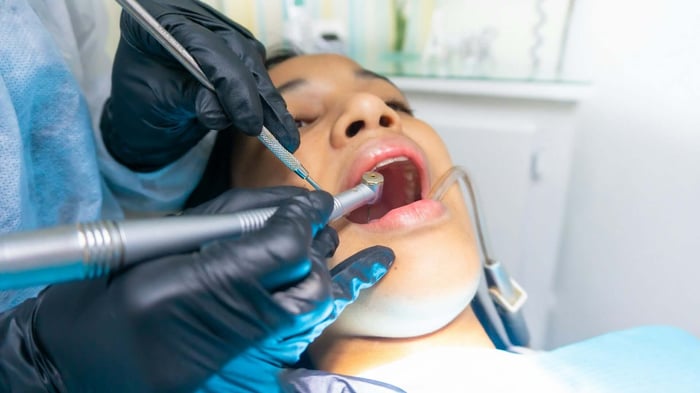
Tooth prep shapes edges and smooths surfaces so veneers bond well. You’ll probably get local anesthesia. After shaping, they take impressions or scans and may place temporary veneers while the lab makes the real ones.
Veneer Placement and Tooth Sensitivity
When veneers go on, dentists bond them with dental cement and cure it with a light. Bonding seals most exposed dentin, but some people feel sensitivity to hot, cold, or pressure for a few days or weeks.
If sensitivity sticks around past a month or gets worse, let your dentist know. They’ll check fit, adjust your bite, or suggest desensitizing agents or a nightguard. Composite veneers often need less enamel removed and may cause less sensitivity, but porcelain is stronger and usually needs more prep.
Longevity and Maintaining Your Veneers
Veneers can last 10–15 years or longer with good care. Brush twice a day with nonabrasive toothpaste, floss daily, and visit for checkups every six months. Don’t bite hard objects, chew ice, or use teeth as tools.
Porcelain costs more than composite. Ask about financing and treatment plans so you know your options and timeline.
Life With Veneers: Caring For Your New Smile (and the Teeth Underneath)
A few simple daily habits protect both veneers and the teeth under them. Regular care, smart food choices, and timely dental visits keep your smile balanced.
Daily Habits That Protect Veneers And Natural Teeth
Brush twice daily with a soft-bristle toothbrush and non-abrasive toothpaste
Floss gently around the veneer edges to protect the gums
Wear a nightguard if you grind or clench your teeth
Avoid using teeth to open or hold objects
Schedule routine dental checkups every six months
Good Habits That Protect Veneers and Natural Teeth
Brush twice daily with a soft-bristled brush and non-abrasive fluoride toothpaste to avoid scratching or wearing veneers. Use gentle circles and focus on the gum line where bonding meets enamel.
Floss daily with waxed floss or a threader if you have tight spots. Interdental brushes or a water flosser work if floss is tough for you. Wear a nightguard if you grind or clench. Grinding cracks, veneers, and damaged teeth. Ask about custom guards if you need one.
Avoid using teeth as tools: don’t open packages, hold nails, or cut thread with your teeth. Those habits chip veneers and weaken teeth.
Foods, Drinks, and Lifestyle: What to Avoid
Porcelain veneers resist stains better, but composite veneers stain more easily. Limit coffee, tea, red wine, and dark sodas to cut down on discoloration. Rinse with water after colored drinks. Skip hard foods like ice, hard candy, and unpitted fruit that can chip veneers or crack enamel.
Cut crunchy foods smaller and chew with back teeth. Smoking and chewing tobacco stain veneers and damage gums. Quitting helps color and lowers gum disease risk, which can expose veneer edges.
If you use whitening treatments, talk with your dentist first. Whitening won’t change porcelain veneer color and can unevenly lighten natural teeth, throwing off your smile’s balance.
Dental Checkups and When to Call Your Dentist
Visit your dentist every six months for cleanings and checks. Cleanings remove stains and let the dentist spot worn edges, loose bonding, or gum recession early. Mention any sensitivity, chips, roughness at the edge, or a loose veneer.
Call right away for sudden pain, a crack, or if a veneer falls off. If your natural teeth look darker than your veneers, ask about whitening. A cosmetic dentist can plan safe whitening or a new veneer to keep things matched.
Signs Your Veneers May Need Attention
It’s important to monitor any changes in how your veneers feel or look. According to the Centers for Disease Control and Prevention (CDC), regular dental visits help detect early signs of decay or gum disease that can affect teeth under veneers. Early care prevents more complex issues later.
You should also be aware of physical changes like chips, looseness, or rough edges. Dental restorations require ongoing monitoring to ensure stability and function. Noticing these signs early allows for timely repairs or adjustments.
If Your Needs Change: Removal, Replacing Veneers, and Other Options
You might need changes if the veneers age, chip, no longer match your goals, or if your tooth health shifts. Options include careful removal, replacing veneers, or using bonding or crowns to restore function and appearance.
What Happens When Veneers Are Removed
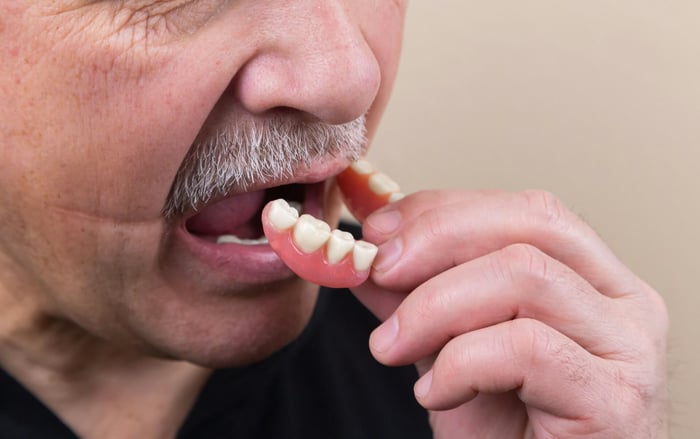
Removing veneers means the dentist takes off the porcelain or composite shell and cleans the tooth underneath. If the veneer’s bonded tightly, they may need to drill or section it to avoid harming enamel or dentin. Local anesthetic keeps you comfortable.
After removal, teeth may look darker or rougher because the enamel was shaped before. You might need a new restoration to cover exposed dentin or repair chips. Discuss sensitivity, possible bonding or crowns, and the timeline for replacement before removal.
Smile Makeover Alternatives: Bonding, Crowns, and More
Dental bonding uses tooth-colored composite to fix chips or gaps without much enamel removal. It costs less than porcelain veneers but stains more and needs touch-ups every few years.
Composite veneers are a type of bonding for the front surface; they’re good for small changes or if you want something reversible. Crowns cover the whole tooth and add strength when there’s decay or big fillings. Crowns work for weak teeth or after root canals.
Other choices: porcelain veneers again, orthodontics for alignment, or whitening to match new restorations. Your dentist will weigh durability, cost, and how much enamel is left to pick the best route.
Understanding When New Veneers or Other Solutions Might Be Needed
You might need new veneers if they chip, loosen, or the color doesn’t match your natural teeth after whitening. Porcelain veneers last about 10–15 years, and composite usually 5–7 years. Regular checkups catch wear early so you avoid bigger issues.
If decay or gum disease shows up under a veneer, the tooth may need a crown or a root canal before a new cosmetic solution. If you want a different look—like narrower or brighter teeth—replacing veneers or choosing crowns or bonding can get you there.
Ask about cost, care, and recovery time so you can plan. A good team will explain each option and help you choose an affordable path forward.
Caring For Your Smile After Veneers Matters
Teeth after veneers still need attention and care to stay healthy and strong beneath the surface. While veneers enhance appearance, your natural teeth continue to support your overall oral health, making daily habits and regular checkups essential.
At Care Dental Center, patients receive clear guidance on how to protect both veneers and natural teeth for lasting results. With the right care plan, your smile can remain balanced, comfortable, and confident over time.
If you’ve recently received veneers or are considering them, schedule a consultation to get personalized advice. Taking action now helps protect your investment and maintain a healthy, natural-looking smile.
Frequently Asked Questions
Do natural teeth stay healthy under veneers?
Yes, natural teeth can stay healthy under veneers with proper care. Brushing, flossing, and regular dental visits help prevent decay and gum issues. Maintaining oral hygiene is essential for long-term success.
Is it normal for teeth to feel different after veneers?
Yes, it’s common for teeth to feel slightly different at first. You may notice minor sensitivity or a change in how your bite feels. These sensations usually improve within a short time.
Can veneers damage your natural teeth?
Veneers do not damage healthy teeth when properly placed and maintained. However, a small amount of enamel is removed during preparation. This makes veneers a long-term commitment.
How do I know if my veneers need to be replaced?
Signs include chips, cracks, discoloration, or looseness. Changes in fit or comfort may also indicate wear. A dentist can evaluate and recommend replacement if needed.
Can teeth decay under veneers?
Yes, decay can still occur if oral hygiene is not maintained. The area where the veneer meets the tooth is especially important to clean. Regular checkups help catch early signs of decay.