Porcelain veneers are a trusted way to improve the look of your smile while keeping a natural appearance. These thin shells are designed to enhance color, shape, and alignment with results that feel smooth and balanced.
At Care Dental Center, veneer treatments are planned with attention to detail and comfort at every step. The goal is to create a result that looks natural while supporting your overall oral health.
In this guide, you’ll learn how porcelain veneers work, what to expect during the process, and how they compare to other options. You’ll also find helpful insights on cost, care, and whether veneers are the right fit for your goals.
Porcelain Veneers: The Cosmetic Upgrade for Your Smile
Porcelain veneers can change the look, color, and shape of your teeth while keeping a natural feel. They offer a long-lasting, stain-resistant option for chipped, stained, or slightly misaligned front teeth.
How Porcelain Veneers Transform Your Smile
Porcelain veneers are thin, custom porcelain shells bonded to the front of your teeth. They cover stains, close small gaps, fix chips, and reshape teeth so your smile looks even and bright.
Your dentist removes a thin layer of enamel first. This creates space so veneers sit flush and feel natural. The lab makes custom veneers to match your size, shape, and shade preferences.
You’ll usually get temporary veneers while the lab crafts the final ones. Final bonding happens in a second visit, using dental cement and careful tweaks. Porcelain resists staining from coffee, tea, and tobacco better than resin. With good care, custom veneers can last many years.
Porcelain vs. Composite and Other Veneers
Porcelain and composite (resin) veneers both improve appearance, but they differ in material and how long they last. Porcelain is made in a lab and is stronger and more stain-resistant. Composite veneers are built directly on the tooth by your dentist and cost less.
Lumineers are a brand of ultra-thin porcelain veneers that may require less enamel removal. That can suit cases where you prefer minimal prep. Temporary veneers protect your teeth between visits and let you test the look.
Pick porcelain if you want a more durable, natural-looking result. Choose composite if budget or quick turnaround matters more. Talk through your goals, budget, and how much enamel removal you’re comfortable with to find the best choice for your smile makeover.
Who’s a Good Candidate for Porcelain Veneers
You might be a good candidate if you have healthy gums, enough enamel, and front teeth with stains, chips, gaps, or minor misalignment. Veneers work best for cosmetic fixes, not for teeth with big cavities or advanced decay.
If you grind your teeth, your dentist may suggest a night guard since clenching can damage veneers. Young patients with very small teeth or growing enamel might need to wait. Your dentist will check your bite, tooth health, and oral hygiene before recommending veneers.
The Journey to Your New Smile: Porcelain Veneers Step by Step
This section shows what to expect at each stage: planning your smile, protecting teeth while lab work is done, and the final bonding of custom porcelain veneers. You’ll learn how the team shapes the result, what you’ll feel, and how to care for your new veneers.
What To Expect During The Veneer Process
Consultation includes smile design and treatment planning
Enamel is gently prepared for a natural veneer fit
Temporary veneers protect teeth between visits
Final veneers are bonded and adjusted for comfort
Follow-up care helps maintain long-term results
Your Personalized Consultation: Goals & Smile Design
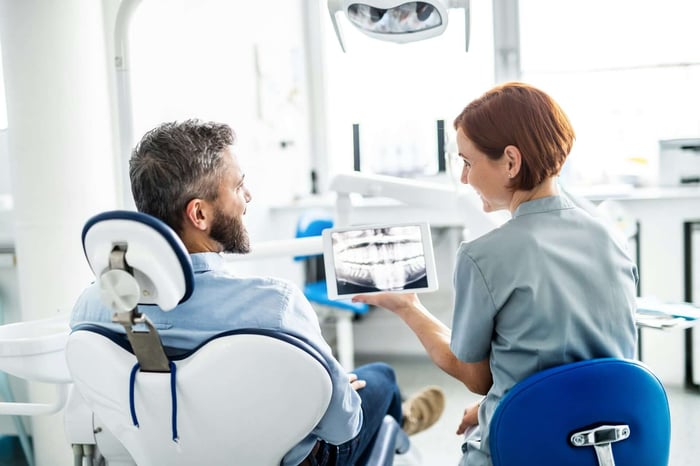
You meet with the dentist to talk about what you want to change — color, shape, size, or gaps. The dentist asks about your dental history, takes photos, and uses digital images or impressions to map your current teeth and bite.
Smile-design tools show a preview of possible outcomes. You’ll see mockups or a digital simulation so you can pick the look you like. The team explains trade-offs, like how much enamel may be trimmed and how veneers compare to bonding or crowns.
The plan includes how many veneers you need, timeline, costs, and any insurance or financing options. Comfort options and answers to questions help you feel calm and ready.
Preparing Your Teeth and Placing Temporary Veneers
On prep day, the dentist removes a thin layer of enamel from each tooth to make room for the veneer. Local anesthetic keeps you comfortable during this step. The goal is a natural fit and correct bite, not over‑reduction.
The dentist takes precise impressions or scans and sends them to a lab for custom veneers. While the lab works, the dentist places temporary veneers to protect teeth and show the new shape. Temps let you test feel and appearance, and allow small tweaks to the design.
You’ll get instructions for eating, cleaning, and avoiding sticky or hard foods. Temporary veneer care means gentle brushing, careful flossing, and calling the office if a temp loosens or feels sensitive.
From Custom Lab Work to the Final Bonding
When the lab sends back your custom porcelain veneers, the dentist checks the fit, color, and shape against your teeth. They might tweak edges or shade a bit. You’ll preview the veneers in your mouth with temporary cement to approve the look.
For final bonding, teeth get cleaned and etched so the porcelain bonds well. Dental cement is applied, the veneer set, and a curing light hardens the bond in minutes. The dentist removes extra cement and checks your bite, making small adjustments so chewing feels natural.
After bonding, you get aftercare tips: avoid very hard foods for a few days, brush twice daily with non‑abrasive toothpaste, floss gently, and schedule regular checkups. Porcelain veneers last longer with good hygiene and routine dental visits. If you have concerns, call your dental office.
What Happens After Your Veneers Are Placed
After veneers are bonded, proper care is essential for maintaining results. According to the Mayo Clinic, practicing consistent oral hygiene and attending regular dental visits helps extend the lifespan of restorations like veneers.
This routine supports both the appearance and health of your smile.
It’s also important to be mindful of habits that may damage veneers. Avoiding hard foods and protecting teeth from grinding can reduce the risk of cracks or wear. These small daily habits play a major role in preserving your investment.
Benefits, Alternatives, and Considerations: What to Know Before Choosing
Porcelain veneers can change how your teeth look, but they’re just one choice. Here are the main benefits, how veneers compare to other cosmetic options, and what could make you a good or poor candidate.
Life-Changing Benefits of Porcelain Veneers
Porcelain veneers cover the front of teeth with thin ceramic shells bonded to enamel. They fix stains, chips, small gaps, and worn edges all at once, often in two to three visits. Veneers resist stains better than natural enamel, so your smile stays brighter longer.
They look like real teeth because porcelain mimics light reflection. You can pick the shape and shade for a consistent, natural look. Veneers also strengthen tooth structure a bit, but they aren’t a substitute for crowns when a tooth needs full coverage.
Cost and permanence matter: veneers require enamel removal and are a long-term commitment. If you want lasting, customizable results and are ready for maintenance, veneers often deliver predictable, natural-looking outcomes.
Comparing Veneers to Whitening, Crowns, Braces, and Bonding
Teeth whitening brightens natural enamel but won’t fix chips, shape, or big gaps. Whitening costs less and is noninvasive, but results can fade and can’t match the uniform change veneers provide.
Dental crowns cover and protect damaged teeth. Choose crowns if a tooth has large decay, root canal treatment, or needs structural support. Crowns remove more tooth structure than veneers and restore both function and form.
Braces or Invisalign move teeth to correct bite and alignment. Orthodontics treats root causes of crooked teeth but takes months to years and won’t change tooth color or shape. You can combine orthodontics with veneers for final cosmetic shaping.
Dental bonding and composite resin veneers use tooth-colored resin. Bonding costs less and is reversible, but stains and chips show up sooner than with porcelain. No-prep or snap-on veneers offer temporary or removable options if you want a non-permanent change.
Potential Risks and Candidacy Considerations
Veneers need healthy gums and enough enamel for bonding. If you have active decay, gum disease, or grind your teeth, your dentist will treat those first or suggest alternatives like crowns or night guards.
Know the trade-offs: preparing teeth is permanent, and veneers may need replacement after 10–20 years. Repairs are possible, but full replacement can be pricey. Sensitivity after enamel removal happens, but it is often temporary.
Talk with your dentist about goals, budget, and long-term plans. A consultation can assess whether veneers, bonding, crowns, orthodontics, or whitening best fit your smile, comfort needs, and oral health.
Porcelain Veneer Costs and Making Your Investment Last
Porcelain veneers require an upfront cost and steady care to keep them looking natural. Knowing what drives price, how long veneers typically last, and simple aftercare steps helps you protect your smile and your wallet.
Porcelain Veneer Longevity And Care Overview
Factor | Details | Impact On Longevity |
Oral Hygiene | Brushing and flossing daily | Prevents decay around edges |
Diet | Avoiding hard or staining foods | Reduces chips and discoloration |
Dental Visits | Regular checkups and cleanings | Helps detect issues early |
Night Guard Use | Protection from grinding | Prevents cracks and wear |
Material Quality | High-grade porcelain | Extends lifespan |
Porcelain Veneers Cost: What Influences the Price?
Several things shape the cost of porcelain veneers. Location, your dentist’s experience, and the lab that makes the veneers matter most. Custom-formed veneers from a skilled cosmetic dentist usually cost more than prefabricated ones.
The number of teeth you treat changes the total price. Single-tooth veneers cost less than a full set. You may pay more if you need prep work like fillings, root canals, or gum shaping before the veneers go on.
Materials and technology affect cost, too. High-quality porcelain and digital design (CAD/CAM) add expense but give a more natural look and fit. Ask about financing and whether your plan covers part of the procedure.
How Long Do Veneers Last and What’s Involved in Care?
Porcelain veneers usually last 10 to 15 years with good care. Some last longer if you avoid habits that stress the teeth. Chips, cracks, or bonding wear are the main reasons veneers need replacement.
Regular dental visits matter. See your dentist for checkups and cleanings every six months unless they recommend another schedule. Your dentist will examine the veneer edges and the health of nearby teeth and gums to catch problems early.
If a veneer chips or comes off, save the piece and call your dentist right away. Small repairs might work; bigger damage may need full replacement. Good oral hygiene and avoiding hard foods reduce the chance of costly fixes.
Simple Tips for Porcelain Veneer Aftercare
Brush twice daily with a soft-bristled brush and non-abrasive fluoride toothpaste. Floss once a day to keep the gum line healthy and prevent decay around the veneer edge.
Avoid biting hard stuff like ice, pens, or hard candy. If you grind or clench, ask about a night guard to protect veneers from cracking. Limit staining foods and drinks—coffee, red wine, and tobacco can dull the shine over time.
Schedule routine cleanings and tell your hygienist you have veneers so they use a gentle polish. If you notice sensitivity, loosening, or rough edges, call your dental office. Gentle, steady care helps you get the most life from your porcelain veneers and keeps your smile looking natural.
A Natural-Looking Smile Starts With The Right Plan
Porcelain veneers offer a reliable way to improve your smile with results that look and feel natural. From enhancing color and shape to creating a more balanced appearance, veneers can make a noticeable difference in both confidence and daily comfort.
At Care Dental Center, each veneer treatment is carefully planned to match your goals while protecting your long-term oral health. With a focus on precision and patient comfort, the process is designed to feel clear and manageable from start to finish.
If you’re considering porcelain veneers, schedule a consultation to explore your options and get a personalized plan. Taking that first step can help you move toward a smile that feels more like you.
Frequently Asked Questions
How long do porcelain veneers last?
Porcelain veneers typically last between 10 and 15 years with proper care. Some may last longer depending on oral hygiene and daily habits. Regular dental visits help maintain their condition.
Do porcelain veneers look natural?
Yes, porcelain veneers are designed to mimic the light-reflecting properties of natural teeth. Dentists customize the shape and color to match your smile. This helps create a balanced and natural-looking result.
Are porcelain veneers permanent?
Yes, veneers are considered a permanent treatment because a small amount of enamel is removed. This means the process cannot be reversed. However, veneers may need replacement after many years.
Do veneers require special care?
Veneers do not require special products, but good oral hygiene is essential. Brushing, flossing, and avoiding hard foods help protect them. Your dentist may also recommend a night guard if you grind your teeth.
Can veneers fix crooked teeth?
Veneers can improve the appearance of mildly crooked teeth. However, they do not move teeth like braces or aligners. For more significant alignment issues, orthodontic treatment may be recommended.