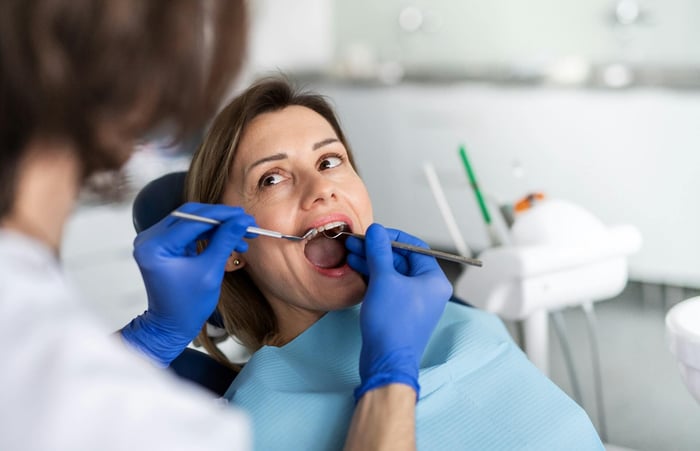
When sudden tooth pain or swelling hits, knowing how to manage it before you reach a dentist can make a big difference. A few simple actions—like rinsing with salt water, using a cold compress, or taking over-the-counter pain relief—can ease discomfort and protect your tooth from further irritation.
At Care Dental Center in Carson, our goal is to help patients stay comfortable and confident, even when dental problems appear unexpectedly. With a quick response and the right temporary measures, you can prevent a small issue from turning into a larger emergency.
This guide explains safe, effective ways to control pain before your appointment and when to seek urgent care to keep your smile healthy and protected.
Key Takeaways
Use gentle home steps to lower pain and swelling until you see a dentist.
Watch for warning signs that need immediate medical attention.
Keep the mouth clean and avoid foods that make pain worse.
Most Effective Temporary Methods for Dental Pain Relief
You can ease toothache pain at home while you wait for urgent dental care. Focus on safe pain relievers, reducing swelling with cold, and rinses or topical gels that clean or numb the area.
Over-the-Counter Pain Relief Options
Use OTC pain relievers to lower pain and inflammation quickly. For most adults, ibuprofen (an NSAID) 200–400 mg every 4–6 hours works well for dental pain. Do not exceed the package maximum and avoid ibuprofen if you have stomach ulcers, kidney problems, or are on blood thinners.
If you cannot take ibuprofen, use acetaminophen (500–1,000 mg every 4–6 hours) up to the daily limit on the label. Never combine more than the safe daily dose. You can alternate ibuprofen and acetaminophen for stronger relief.
Take one, then the other after the recommended interval, only if you follow dosing limits and your doctor approves. Read labels and check interactions with other medicines. For children, use weight-based dosing and pediatric formulations. If pain persists after the maximum safe doses, contact a dentist.
Safe Over-the-Counter Pain Management
Short-term pain relievers can reduce inflammation and make it easier to rest until treatment. The American Dental Association (ADA) recommends following label instructions carefully and never exceeding the maximum dosage.
Alternating acetaminophen and ibuprofen can provide additional relief if approved by your doctor.
Cold Compress Application to Reduce Inflammation
A cold compress helps numb pain and control swelling fast. Apply an ice pack or a bag of frozen peas wrapped in a thin cloth to the cheek next to the painful tooth for 15–20 minutes, then remove for 15–20 minutes. Repeat as needed for the first 24–48 hours.
Cold works best for recent injuries or swelling. Do not apply ice directly to skin; use a barrier to avoid frostbite. Keep your head elevated when lying down to reduce blood flow to the area and limit throbbing pain.
Saltwater and Hydrogen Peroxide Rinses
Rinses can clean the mouth and reduce bacteria that worsen tooth pain. Use a warm saltwater rinse by dissolving 1/2 teaspoon of salt in 8 ounces of warm water. Swish gently for 30 seconds and spit. Repeat every few hours to reduce inflammation and draw out fluids from minor infections.
A diluted hydrogen peroxide rinse (equal parts 3% hydrogen peroxide and water) can help reduce bacteria and whiten spots, but do not swallow. Use once or twice, then switch back to saltwater if you feel irritation. Stop either rinse if you get increased burning, swelling, or other bad reactions.
Topical Numbing Gels and Solutions
Topical benzocaine gels can numb a painful tooth or gum area for short periods. Apply a pea-sized amount directly to the sore spot, up to four times daily, and follow product instructions. Avoid using benzocaine in children under two and use caution in older children.
Clove oil, diluted properly, can also numb pain; mix a drop with a carrier oil and apply with a cotton swab. Do not use undiluted essential oils on gums. Use topical anesthetics only for short-term relief and seek dental care if pain continues.
At-Home Care for Common Dental Emergencies
You can take steps that reduce pain and protect teeth until you reach urgent dental care. Focus on keeping the area clean, preventing further damage, and using safe temporary materials.
Managing a Lost Filling or Broken Tooth
If a filling falls out or your tooth breaks, rinse your mouth with warm water to clear debris. Save the filling or broken piece in a clean container and bring it to your emergency dentist.
For short-term protection, use a temporary dental filling kit or dental cement from a pharmacy. Follow package directions and avoid overfilling the cavity. If you don’t have a kit, press a small piece of sugar-free gum into the hole to shield the tooth from food and temperature.
Take ibuprofen or acetaminophen as directed for pain. Avoid chewing on the damaged side and stick to soft foods. Call an emergency dentist promptly; you may need a permanent filling, crown, or root canal therapy depending on decay or fracture depth.
First Aid for Chipped or Knocked-Out Teeth
Rinse any broken tooth fragments with milk or saline; don’t scrub them. For a chipped tooth, use a cold compress on your cheek to reduce swelling and cover sharp edges with dental wax or sugar-free gum to protect soft tissues.
If a permanent tooth is knocked out, find the tooth and hold it by the crown only. Rinse it gently with milk or saline if dirty.
Try to reinsert the tooth into the socket and bite down on gauze to hold it in place. If reinsertion is not possible, store the tooth in milk or a tooth-preservation kit and get to an emergency dental care provider within 30–60 minutes for the best chance of saving it.
Temporary Solutions for Tooth Infection or Abscess
If you suspect a dental abscess or deep tooth infection, rinse with warm salt water (1/2 teaspoon salt in 8 ounces of water) several times a day to reduce bacteria and swelling. Apply a cold compress to the outside cheek for 10–15 minutes to ease pain and swelling.
Do not attempt to drain an abscess yourself. Take over-the-counter pain relievers and follow dosing instructions. If you have a fever, spreading swelling, or severe pain, contact an emergency dentist immediately for urgent dental care.
Natural and Gentle Remedies for Dental Discomfort
You can try a few safe home remedies to ease tooth pain and reduce swelling until you see a dentist. These methods aim to numb the area, lower inflammation, and keep the mouth clean.
Clove Oil and Eugenol Use
Clove oil contains eugenol, a natural compound that can numb pain and reduce inflammation. Apply a small amount of diluted clove oil to a cotton ball or gauze and press it gently against the sore tooth or gum.
Do not put undiluted oil directly on your gums for long periods; mix 1 drop of clove oil with a teaspoon of a carrier oil (like olive or coconut) first.
Use this for short-term relief only and repeat every few hours as needed. Stop if you feel burning, increased irritation, or an allergic reaction. Keep clove oil away from children and swallow none of it.
Applying Garlic Paste for Relief
Garlic has mild antibacterial and pain-relief effects that you can use briefly for toothache relief. Crush a fresh garlic clove to make a paste and add a pinch of salt if you like. Apply the paste directly to the painful tooth or gum for a few minutes, then rinse with clean water.
Chewing a whole clove slowly near the sore tooth can also release garlic’s active compounds. Garlic can irritate sensitive gums, so remove it sooner if you feel stinging. Avoid using garlic if you have an open wound in the mouth or a known garlic allergy.
Using Home Ingredients to Soothe Pain
Several common household items can help: a saltwater rinse, a cold compress, and a hydrogen peroxide rinse. Mix 1/2 teaspoon salt in 8 ounces of warm water and swish for 30–60 seconds to reduce bacteria and ease inflammation.
For a peroxide rinse, dilute 3% hydrogen peroxide with equal parts water and swish briefly; do not swallow. Apply a cold pack wrapped in a towel to the cheek for 15–20 minutes to lower swelling and numb the area. Over-the-counter pain relievers like ibuprofen can help, too—follow the package directions.
Everyday Oral Hygiene and Prevention During Emergencies
Keep your mouth clean, avoid things that make pain worse, and use simple products that protect enamel and cut bacteria. These steps help buy time before you can see a dentist and reduce the chance that a small problem becomes urgent.
Proper Brushing and Flossing Techniques
Brush twice a day gently with a soft-bristled brush. Hold the brush at a 45° angle to your gum line and use small circular motions. Spend about two minutes total, covering front, back, and chewing surfaces.
If a tooth hurts, avoid heavy pressure near the sore spot; gentle cleaning removes food and plaque that make pain worse. Floss once a day to remove trapped food between teeth. Slide the floss up and down against each tooth, curve it into a C shape around the tooth, and go below the gum line gently.
If bleeding occurs, keep flossing daily—bleeding usually improves in a week with consistent care. If you can’t floss normally, use interdental picks or a water flosser to clear debris without pressing hard.
Avoiding Trigger Foods and Beverages
Skip very hot or very cold foods and drinks that can cause sharp pain in sensitive teeth or exposed roots. Avoid hard items like ice, nuts, and popcorn kernels that can crack a weakened tooth.
Cut back on sticky or chewy sweets that cling to fillings and cavities, and limit acidic beverages like soda, fruit juice, and sports drinks that erode enamel.
Choose soft, bland foods while you wait for treatment: yogurt, mashed potatoes, scrambled eggs, and smoothies (not overly cold). Sip water often to rinse away sugars and keep saliva flowing.
Using Protective Products Like Mouthwash and Fluoride Toothpaste
Use a fluoride toothpaste to strengthen enamel and lower sensitivity. Brush with fluoride toothpaste twice daily and, if available, use a pea-sized dab for children. For acute sensitivity, a toothpaste labeled for sensitive teeth can help reduce pain after several uses.
Rinse with an alcohol-free antiseptic mouthwash to cut bacteria and soothe gums. Swish for 30 seconds, then spit. Saltwater rinses (½ teaspoon salt in 8 oz warm water) also reduce swelling and clean the mouth if you can’t use medicated rinses.
If you have a loose crown or filling, use a small piece of dental wax or sugar-free chewing gum to protect the tooth temporarily until you can see a dentist. Keep a list of “dentist near you” contacts and schedule a regular visit to fix the problem before it worsens.
Relieve Pain Quickly and Stay Comfortable Until Your Dental Visit
Tooth discomfort can happen suddenly, but the right temporary care keeps you safe until your appointment. Using cold compresses, saltwater rinses, and approved pain relievers can help control swelling and protect the affected tooth from further irritation.
At Care Dental Center, we provide expert care for urgent dental concerns, offering precise diagnostics and gentle treatment to relieve pain fast. Whether you have a toothache, a lost filling, or swelling, our Carson dental team will restore comfort and prevent issues.
If your pain continues or you notice signs of infection, don’t wait—contact us for prompt care and lasting relief.
Frequently Asked Questions
You can reduce pain with cold packs, saltwater rinses, and over-the-counter pain relievers. If a nerve is exposed, keep the area clean, avoid hot or cold foods, and see a dentist as soon as possible.
How can I ease tooth pain while waiting for a dentist appointment?
Rinse gently with warm salt water to remove debris and reduce inflammation. Do this every few hours and after eating. Apply a cold compress to the cheek for 15 minutes on, 15 minutes off to numb pain and lower swelling. Keep the ice wrapped in a cloth to protect your skin.
Take an over-the-counter pain reliever like ibuprofen or acetaminophen following the package directions. Avoid placing aspirin directly on the gum.
Is there a home remedy for relieving exposed nerve tooth pain?
Avoid touching the exposed nerve with your tongue or fingers to prevent irritation and infection. Eat soft, bland foods and avoid very hot, cold, or sugary items. A dental cement or temporary filling material from a pharmacy can cover the area briefly. Use only as directed and get professional care quickly.
What are safe pain relief options for a broken tooth with an exposed nerve?
Use ibuprofen for inflammation and pain, unless you have a reason to avoid it. If you cannot take ibuprofen, acetaminophen serves as an alternative. Do not apply topical numbing gels in large amounts or for long periods without advice from a dentist. Misusing these products can numb more than the tooth and may cause harm.
Are there any methods to cover an exposed nerve in a tooth temporarily?
You can find temporary dental cement or wax at drugstores to protect the area from food and temperature. Clean the tooth first with salt water, then gently place the material over the exposed spot. Avoid chewing on that side and schedule a dental visit within 24–48 hours. These coverings provide only a short-term solution.
What can I do to mitigate a severe toothache until I receive dental care?
If you experience facial swelling, fever, or trouble breathing or swallowing, seek emergency care right away. These signs may indicate an infection that requires prompt treatment. Otherwise, apply cold compresses, rinse with saltwater, and use scheduled over-the-counter pain medications. Keep your head elevated when lying down to reduce pressure and throbbing.
What non-prescription medications are recommended for dental discomfort?
Ibuprofen (200–400 mg every 4–6 hours as needed) reduces pain and swelling for most adults. Do not exceed the daily limit on the label. Acetaminophen (325–650 mg every 4–6 hours as needed) helps if you cannot take NSAIDs. Read labels and avoid doubling up with combination cold medicines that contain acetaminophen.