A cracked tooth can happen suddenly — during a meal, a fall, or even from biting something unexpectedly hard. When it does, quick and calm action helps prevent further damage. Rinse your mouth, protect the area, and see a dentist quickly to prevent more damage.
At Carson Dental Care, the focus is on restoring your dental health quickly and comfortably. Our team uses advanced imaging and gentle treatment methods to repair cracked teeth, relieve discomfort, and preserve your natural smile.
In this guide, you’ll learn what to do right after a tooth cracks, how to tell if it’s a dental emergency, and what treatment options are available. You’ll also find practical tips for preventing future damage and keeping your teeth strong long-term.
Immediate Steps to Take After Your Tooth Cracks
When your tooth cracks suddenly, act quickly and carefully to protect it and ease discomfort. Clean the area gently, reduce pain and swelling, avoid actions that could make it worse, and save any broken pieces if you can.
Why Immediate Care Matters for Cracked Teeth
According to the American Dental Association (ADA), seeking prompt dental attention for a cracked tooth prevents the damage from spreading and reduces the risk of infection. Delaying treatment can expose the tooth’s inner pulp, making pain and complications worse.
Early care allows dentists to preserve the natural structure of the tooth and avoid more invasive procedures later.
Rinse and Protect the Area
Rinse your mouth with warm water to clean it gently. This removes debris and lowers the chance of infection. Avoid very hot or cold water, which might hurt your sensitive tooth.
If there's bleeding, press a clean cloth or gauze softly on the area to stop it. Don’t poke or touch the cracked tooth with your tongue or fingers. Use dental wax or sugarless gum to cover sharp edges and protect your cheek or tongue from cuts.
Avoid chewing on the cracked side to prevent further damage. Keep the tooth and gums as comfortable as possible until you see a dentist.
Manage Pain and Swelling
If you feel pain or notice swelling, take an over-the-counter pain reliever like ibuprofen or acetaminophen. Follow the instructions on the package. Avoid aspirin because it can thin your blood and increase bleeding.
Apply a cold compress to your cheek for 10–15 minutes to lower swelling and numb pain. Repeat this several times a day, but always wrap the ice in a cloth before placing it on your skin.
Avoid Certain Foods and Activities
To avoid making the crack worse, skip hard, crunchy, or sticky foods such as nuts, chips, or caramel. Stay away from very hot, cold, or sugary drinks, which can trigger pain or sensitivity.
Don’t bite down on the cracked tooth or chew gum on that side. Avoid using your tooth to open packages or bottles. Also, avoid smoking or using straws, as the suction can irritate the damaged tooth and gums.
Keep your mouth as still as possible until you see your dentist.
Preserve Broken Pieces If Possible
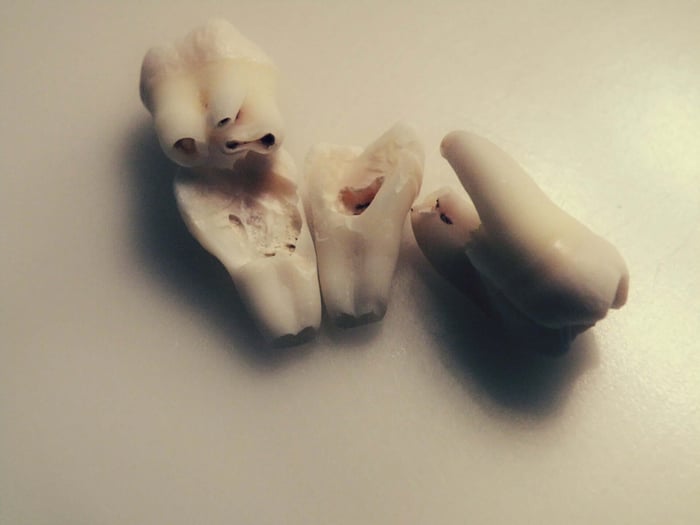
If part of your tooth breaks off, rinse it gently with water, but don’t scrub or use soap. Place it in a small container with milk, saline solution, or saliva to help preserve it if your dentist can reattach it.
Keep the broken piece moist and bring it with you to your dental appointment. Even small fragments can help with repair. If you cannot find the piece, your dentist can still restore the tooth safely.
Evaluating the Severity of Your Cracked Tooth
When you notice a cracked tooth, try to understand how serious it is. This helps you decide when to get dental care and what to expect from treatment. Check your tooth closely and pay attention to pain or other signs that could mean you need quick help.
Identifying Minor Versus Major Cracks
Minor cracks look like small lines on your tooth’s surface and usually don’t cause pain. These cracks don’t reach the inner layers of your tooth. You might notice mild sensitivity to hot or cold foods, but it typically comes and goes.
Major cracks go deeper and can expose the nerves or pulp. This kind of crack may cause sharp pain when chewing or biting, and sometimes the tooth feels loose. You might see a visible break or a missing piece. Watch for swelling or a bad taste in your mouth, which could mean bacteria entered the tooth.
Recognizing Signs of a Dental Emergency
If you experience severe, constant pain, sudden swelling, or your tooth breaks into pieces, you should seek emergency care right away.
If you lose part of your tooth and it bleeds a lot, or if eating and speaking become difficult, call your dentist immediately. These signs mean the crack is affecting your tooth’s health or the surrounding tissue and needs fast treatment.
Possible Symptoms to Watch For
Symptoms depend on the crack’s size and location. Watch for pain when biting down, sensitivity to temperature, and discomfort that lingers after eating or drinking something hot or cold. If pain comes and goes, the crack may be minor.
If your gums near the cracked tooth look red or swollen, or if you notice a bad smell or taste in your mouth, this could signal infection. Tooth sensitivity that gets worse over time or sudden, sharp pain should never be ignored.
Finding Emergency Dental Care in Carson
Knowing how to get fast, helpful care for a cracked tooth can save you pain and protect your smile. Find a dentist who can see you quickly, explain what will happen during your visit, and answer your questions clearly.
How to Locate an Emergency Dentist Quickly
Search online for “emergency dentist near me” to find local options. Focus on practices offering same-day appointments or after-hours care. Check if the office has weekend or evening hours. Look for reviews that mention quick, gentle service.
When you call, explain your situation clearly and ask how soon they can see you. If they cannot help, ask if they can recommend someone else nearby.
What to Expect During Your Visit
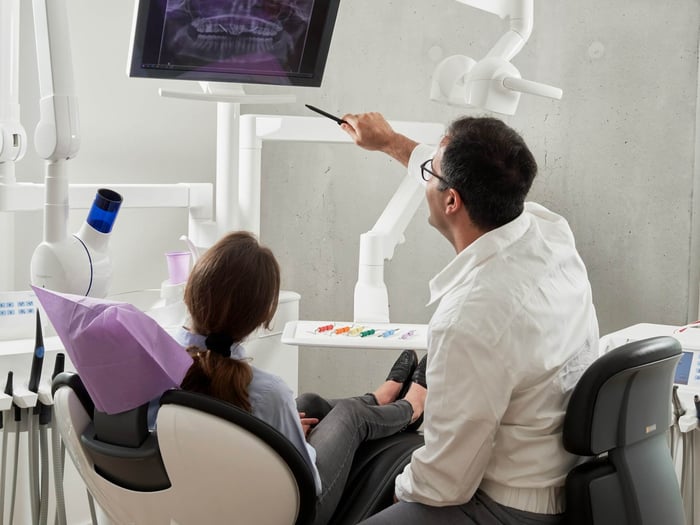
When you arrive, the dental team will ask about how the tooth cracked and your symptoms. They will examine your tooth and may take X-rays to see the damage. The dentist will explain your options in a calm, clear way.
You might get a filling, a crown, or another treatment to protect your tooth. Dentists use gentle, modern tools to keep you comfortable. If swelling or pain is present, they will suggest ways to manage it right away. You will also get instructions on caring for your tooth at home until further treatment.
Questions to Ask Your Dental Provider
Ask about the treatment plan and what fits your needs best. Good questions include:
How much will the emergency treatment cost?
Will I need follow-up visits?
What can I do at home to avoid more damage?
How long will it take to fully fix my tooth?
Are there payment or financing options available?
These questions help you feel confident and prepared. Clear communication is important for your care.
Professional Treatment Options for Cracked Teeth
When a tooth cracks, dentists have several ways to restore its strength and protect your smile. Your dentist will choose the best solution based on the crack’s size, location, and depth. These treatments help stop pain and prevent serious problems.
Dental Bonding and Fillings
For small cracks, dental bonding or fillings often work well. Bonding uses a tooth-colored resin that the dentist applies to the cracked area. This material bonds with your tooth and fills in the crack, making it stronger and smoother.
Fillings also fill the cracked space after cleaning it. Both treatments protect the tooth and stop bacteria from entering. These options are quick, affordable, and usually completed in one visit. Bonding blends well with your other teeth for a natural look.
Crowns and Veneers
If the crack is larger or weakens the tooth, a crown or veneer may be needed. Crowns cover the whole tooth like a cap, holding the cracked tooth together and letting you chew without pain.
Veneers cover only the front surface and protect cracks that are visible when you smile. Both crowns and veneers are made to match your natural tooth color and shape. These treatments take a few visits but provide strong, lasting support.
Root Canal Therapy
A deep crack may reach the tooth’s inner nerves, causing pain or infection. Root canal therapy removes the damaged nerve and cleans inside the tooth. Afterward, your dentist usually places a crown to protect the tooth.
Root canals stop pain and save teeth that might otherwise need removal. The process uses gentle, modern tools to keep you comfortable. You will feel better as the infection clears and your tooth works normally again.
Tooth Extraction When Necessary
Sometimes a crack goes too far to repair. In these cases, tooth extraction may be needed to prevent infection or worsening pain. Your dentist will discuss options to replace the lost tooth, such as implants or bridges.
Extraction is done carefully with local numbing to reduce discomfort. After healing, you can explore replacements to restore your smile and chewing power.
Tips for Preventing Future Tooth Injuries
Protecting your teeth during activities, practicing good dental habits, and keeping up with regular dental visits help you avoid future cracks or damage. These actions work together to keep your smile strong and healthy.
Protective Measures for Sports and Activities
When playing sports or doing physical activities, wear the right protection. A custom-made mouthguard can absorb shocks and prevent cracked or knocked-out teeth. Get fitted for one to make sure it fits comfortably.
Avoid chewing on hard objects like ice, pens, or popcorn kernels, especially during activities. These habits can weaken your teeth and make cracks more likely. Be mindful of your surroundings to reduce the chance of falls or accidents that could hurt your mouth.
Healthy Dental Habits
Good daily care strengthens your teeth over time. Brush your teeth gently twice a day with fluoride toothpaste, and floss daily to remove plaque and prevent decay. Eating a balanced diet with plenty of calcium helps keep your teeth strong.
Limit sugary snacks and drinks because they can wear down your enamel and make cracks more likely. Drinking water often helps rinse away food particles and acids. Avoid using your teeth as tools to open packages, as this can cause serious damage.
Regular Dental Checkups
Visiting your dentist every six months helps you catch small problems before they become big issues. Your dentist can spot weak or cracked teeth early and offer treatment to prevent further damage.
During these visits, your teeth get a thorough cleaning that removes buildup brushing can’t reach. You can also ask questions about your dental habits or any concerns you have.
Restoring Your Smile with Prompt, Professional Care
A cracked tooth doesn’t always mean it’s lost — with quick, professional treatment, most damaged teeth can be saved. Acting early protects your tooth from further harm and ensures lasting comfort and confidence when you smile.
At Carson Dental Care, our goal is to restore strength and function to your teeth using gentle, effective techniques. We treat cracked teeth with precision, focusing on your comfort and long-term dental health. Whether your tooth has a small chip or a deep fracture, our team offers solutions that protect and preserve your natural smile.
If you’ve just cracked a tooth, don’t wait. Reach out to schedule an emergency visit today. Our team will guide you through immediate relief and lasting repair, helping you return to your daily life with confidence.
Frequently Asked Questions
If you crack a tooth, quick care makes a big difference. Knowing what to do and finding help fast keeps your smile safe and comfortable.
How can I manage a broken front tooth until I get to a dentist?
Rinse your mouth with warm salt water to keep the area clean. Use cold compresses to reduce swelling. Avoid biting on the damaged tooth and eat soft foods when possible.
What are the costs associated with repairing a cracked tooth?
Costs depend on the damage and treatment needed. Simple bonding may cost less, while crowns or root canals cost more. Your dentist can explain your options and help you choose the best one for your needs.
Is there a temporary solution for fixing a broken front tooth at home?
Tooth repair kits from pharmacies can offer short-term relief but do not provide permanent fixes. Use dental cement or temporary filling materials carefully. See a dentist as soon as possible for proper treatment.
What options are available for dental emergencies over the weekend?
Many dental offices offer emergency services and Saturday hours. Call ahead to check availability and get advice on what to do until you can be seen.
Can a tooth be fixed if it's cracked in half but isn't causing pain?
Yes, even if you don’t feel pain, a cracked tooth needs care. Waiting can cause infection or worsen the crack. A dentist will assess and recommend the best treatment to save your tooth.
What steps should I take immediately after breaking a tooth?
Save any pieces you can and rinse your mouth gently. Apply pressure with gauze if there is bleeding. Contact a dentist right away to schedule an emergency appointment.