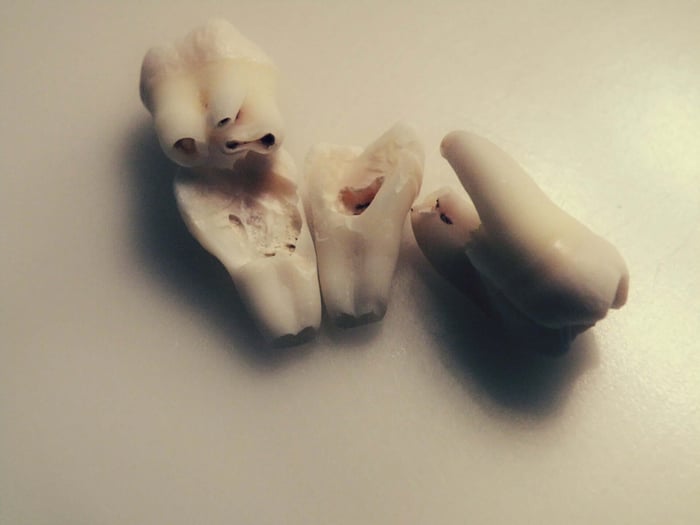
Dental problems can happen suddenly and feel overwhelming. Whether it’s sharp pain, bleeding, or swelling, recognizing when to call an emergency dentist can protect your teeth and relieve discomfort quickly. Acting fast often prevents serious damage and keeps your recovery simple.
At Carson Dental Care, the priority is your dental health and comfort — especially when urgent situations arise. Our team uses gentle techniques and advanced tools to treat emergencies effectively, from severe tooth pain to sudden injuries.
In this guide, you’ll learn how to identify true dental emergencies, what symptoms require immediate attention, and how timely treatment protects your long-term oral health.
Recognizing Dental Emergencies
Knowing when you need urgent dental care can protect your teeth and prevent pain from getting worse. Some signs are clear, like severe pain or bleeding, while others may be less obvious but still important to address quickly. Understanding these will help you decide when to call a dentist.
How To Identify a Dental Emergency
A dental emergency usually involves sudden, severe pain, swelling, or trauma. If you have an intense toothache that doesn't improve, a broken or knocked-out tooth, or uncontrollable bleeding, you should seek immediate care.
Look for signs like swelling around the jaw or face, a loose tooth from injury, or difficulty breathing or swallowing, as these could mean serious problems. Not every toothache is an emergency, but worsening pain or swelling is a clear sign you need professional help.
Why Timely Action Matters
Getting care quickly helps stop small problems from becoming bigger. For example, a knocked-out tooth is more likely to be saved if you get dental care within an hour. Waiting too long can cause infection or permanent damage.
Early treatment often means a simpler and less painful experience. Quick response to dental emergencies supports faster healing and keeps your smile healthy.
Common Causes of Urgent Dental Issues
Urgent dental problems often happen because of accidents, like falls or sports injuries. Chewing hard foods or biting down on something sharp can crack or break teeth. Sometimes infections can develop quickly, causing pain and swelling that need fast attention.
Other causes include dental work that goes wrong or untreated cavities turning into abscesses. If you notice any drastic changes or new symptoms in your mouth, contacting your dentist in Carson is the safest step.
Severe Tooth Pain
Severe tooth pain is more than just a nuisance. It can disrupt your daily routine, affect your sleep, and sometimes signal a problem that needs quick attention. If the pain shows certain signs, it’s important to seek care without delay.
Sudden and Persistent Pain
If you feel sharp tooth pain that starts suddenly and doesn’t go away, it’s a warning sign. This kind of pain might mean deep decay, an infection, or a crack in the tooth. The pain can come on strong and last for many hours or days.
Ignoring this pain can make the problem worse. You might notice the tooth hurts more when biting, or feels hot or cold sensitivity.
Pain Impacting Daily Life
When tooth pain stops you from eating, talking, or sleeping well, it’s serious. This kind of pain can cause headaches and stress, affecting your mood and energy. You may find yourself avoiding favorite foods or skipping social activities.
Pain that interrupts your normal day means your tooth needs professional care soon. Emergency dental treatment can help relieve pain and prevent damage that takes longer to fix later.
Pain With Swelling
If severe tooth pain comes with swelling around your jaw, face, or gums, this points to an infection. The swelling might make your skin look red and feel warm to the touch. You might also have a fever or feel tired.
Swelling with pain is a sign that bacteria may be spreading and needs quick treatment. Treatment can prevent the infection from spreading and stop more serious health issues.
Uncontrolled Bleeding and Oral Trauma
If you have strong bleeding or hurt your mouth badly, it's important to know when to get help fast. Some wounds need more than just basic care to keep you safe and stop problems.
Bleeding That Doesn’t Stop
Bleeding in your mouth that keeps going after 15 minutes of steady pressure is a sign you should reach out to an emergency dentist. Use clean gauze or a cloth and gently bite down to apply firm pressure.
If the blood soaks through and does not slow, or you feel dizzy or weak, call right away. This kind of bleeding can signal more serious damage or an injury that needs professional treatment.
Do not attempt to remove clots or keep rinsing your mouth too much, as this could make the bleeding worse.
Injuries to the Mouth or Gums
If you get hit in the mouth or bite your lips or gums hard, injuries can be painful and serious. Any cut that is deep, large, or keeps bleeding needs an exam.
Swelling, numbness, or trouble moving your jaw are signs that damage might include broken bones or torn tissue. Emergency dental care can help clean the wound and ease your pain. If you find sharp edges or pieces of teeth sticking out, avoid touching the area and get help as soon as possible.
Loss of Adult Teeth
Losing a permanent tooth after an injury is a dental emergency. If this happens, find the tooth and rinse it gently with water. Avoid scrubbing it or touching the root.
Try to put the tooth back into the socket if you can do so carefully. If not, place it in a container with milk or your saliva to keep it moist. Quick action can sometimes save the tooth.
Contact your dentist immediately for guidance and care to increase your chances of saving the tooth and preventing further damage.
Swelling and Signs of Infection
Swelling and infection can happen quickly and may cause serious problems if left untreated. You should watch for changes in your face or gums, pus leaks, or fever with dental pain. These signs tell you when it’s time to contact an emergency dentist.
Connection Between Infection and Systemic Health Risks
The Centers for Disease Control and Prevention (CDC) warns that untreated oral infections can spread beyond the mouth and contribute to serious health problems, including heart disease and diabetes complications.
If you experience swelling, pus, or fever, it’s not just a dental issue — it’s a potential systemic risk. Seeking prompt dental care helps protect both your oral and overall health.
Facial or Gum Swelling
Swelling in your face or gums is a common sign of infection. It can make one side of your face look puffy or feel tight. This swelling may also hurt when you touch it or try to open your mouth.
If swelling grows quickly or affects your breathing or swallowing, get help right away. Even mild swelling after a tooth injury or infection needs a dentist’s attention.
Pus or Discharge
Pus or a yellowish discharge from your gums or around a tooth means there is an infection. It usually smells bad and may taste sour. Pus forms when your body fights harmful bacteria in your mouth.
You should contact an emergency dentist if you see pus. This often needs treatment like drainage or antibiotics to clear the infection. Ignoring pus can let the infection spread and cause more pain or damage to your teeth and gums.
Fever with Dental Symptoms
A fever shows your body is fighting an infection, which can be serious when linked to tooth pain or swelling. Even a slight temperature rise with dental pain means the infection might be spreading.
If you have a fever plus any tooth or gum swelling, pain, or pus, call your emergency dentist. They can provide care that helps control the infection and lowers your fever. It’s better to act early to keep the infection from reaching other parts of your body.
Broken or Dislodged Restorations
When a dental crown, filling, bridge, or implant breaks or comes loose, it can cause pain, sensitivity, or problems chewing. These issues need prompt attention to avoid further damage or infection.
Cracked or Broken Crowns
A cracked or broken crown can expose the tooth underneath to bacteria, causing pain or sensitivity. You might notice sharp edges or discomfort when chewing. If your crown feels loose or is visibly damaged, contact your emergency dentist soon.
Leaving a broken crown untreated can lead to infection or damage to the tooth’s root. Your dentist can repair or replace your crown using gentle, modern tools to restore comfort and protection.
Lost Fillings
When a filling falls out, your tooth is left vulnerable to decay and pain. You might feel a sharp or throbbing sensation where the filling once was. Avoid chewing on that side and call your emergency dentist to prevent further damage.
Replacing a lost filling quickly helps protect your tooth and restores your bite. Your dentist can provide fillings that blend with your natural teeth, ensuring a smooth, comfortable fit.
Loose Bridges or Implants
A loose bridge or implant can cause discomfort and may affect your ability to speak or eat properly. You might feel movement or notice gaps where the restoration once fit snugly. Contact your emergency dentist if you suspect your dental work is not stable.
Prompt care can prevent additional problems, like bone loss or infection. Your dentist will secure or replace the loose restoration to keep your smile healthy and functional.
Protect Your Smile with Fast, Professional Dental Care
When symptoms like severe pain, swelling, or bleeding appear, don’t wait — acting quickly can make all the difference. Emergency dental care restores comfort, prevents infection, and protects your smile’s long-term health.
At Carson Dental Care, we handle dental emergencies with urgency and precision. Whether it’s a cracked tooth, a lost filling, or painful swelling, our team is ready to treat you quickly and safely. We focus on restoring your oral health while keeping you calm and comfortable throughout treatment.
If you notice any of these warning signs, contact us today for immediate help. Fast action can prevent complications and get your smile back to feeling its best.
Frequently Asked Questions
Knowing when to get immediate dental care can protect your smile and comfort. Certain symptoms mean you should reach out for help right away.
What signs indicate I need immediate dental care?
Severe pain that doesn’t go away after a few hours is a key sign. Swelling in your face or gums, trouble breathing or swallowing, and a loose or knocked-out tooth also need quick attention.
How do I know if my toothache is a dental emergency?
If your toothache comes with fever, swelling, or pain that stops you from eating or sleeping, it’s urgent. A sudden, sharp pain after trauma or a tooth feeling loose could mean you need to see an emergency dentist.
Can a chipped or broken tooth be a reason to visit an emergency dentist?
Yes. If the break causes sharp edges that hurt your tongue or cheek, or if a large piece is missing, it can lead to infection or more damage. You should visit an emergency dentist promptly to prevent problems.
What dental symptoms suggest I might have an infection that requires urgent attention?
Signs include swelling in your gums or face, persistent bad taste or smell, fever, and increasing pain. These symptoms show that an infection might be spreading, and you should get care quickly.
Should I contact an emergency dentist for uncontrolled bleeding in my mouth?
Yes. If bleeding doesn’t slow or stop after 15 minutes of gentle pressure, call for emergency care. This could mean a serious injury that needs professional treatment.
When does jaw pain necessitate an emergency dental visit?
If you have jaw pain that prevents you from opening your mouth fully, comes with swelling or fever, or happens after an injury, see a dentist right away. This pain can affect your overall health and needs prompt attention.