You reach for your morning coffee, crunch through a midday snack, and maybe chew on a pen cap while you work through your to-do list. None of those moments feel like a dental event. Still, many daily habits that damage teeth happen in exactly these small, forgettable moments. The wear adds up quietly, and you may not notice it until a tooth feels sensitive or a filling needs replacing.
Dentists see the results every day: worn enamel in coffee lovers, cracked molars in ice chewers, flattened surfaces in grinders. Routine behaviors can create real dental problems over time. The good news: most of the damage is preventable once you know what to watch for and which simple swaps make a difference.
Keep reading to learn which habits are the worst offenders, what warning signs to watch for, and what you can change at home starting today. Sometimes, just knowing what to look for is half the battle.
The Daily Habits That Damage Teeth Most Often
Five everyday behaviors quietly wear down your teeth, and most people practice at least one of them without realizing it. Spotting them early is the fastest way to protect your dental health.
Brushing Too Hard Can Wear Down Enamel
A firm scrubbing motion might feel thorough, but aggressive brushing actually strips away tooth enamel. That's the hard outer layer that shields each tooth. Over time, enamel wear can lead to sensitivity and even gum recession. Once enamel's gone, that's it. No growing it back.
Switch to a soft-bristled toothbrush and use gentle, circular strokes. The American Dental Association recommends brushing twice daily with fluoride toothpaste for at least two minutes. Pressure isn't what removes plaque. Technique matters more.
If your toothbrush bristles splay out within a few weeks, you're pressing too hard. Let the brush do the work. Your teeth will appreciate it.
Skipping Flossing Lets Plaque Build Between Teeth
Daily flossing clears the spaces your toothbrush can't reach. Skip it, and plaque (a sticky bacterial film) hardens into tartar in about a day or two. Tartar only comes off during a teeth cleaning at the dental office.
Bacteria between teeth produce acids that cause cavities and tooth decay. They also irritate your gums, which can set the stage for gum inflammation and periodontal disease. Flossing daily protects areas that make up almost half of each tooth's surface.
Struggle with string floss? Try floss picks or a water flosser. The best method is whatever you'll actually use. Consistency wins.
Frequent Snacking Keeps Acid Attacks Going
Every time you eat, bacteria in your mouth produce acids that attack tooth enamel. Saliva needs about 20 to 30 minutes to neutralize those acids and start repairing early enamel erosion. If you snack a lot, that recovery window never really opens.
Snacking on foods that harm teeth, like cookies, dried fruit, or candy, is especially tough on enamel. Crackers and chips break down into sugars fast, too. The problem isn't just what you eat; it's how often. Three meals with breaks in between give your teeth a real chance to recover.
Try cheese, nuts, or crunchy veggies for snacks. They stimulate saliva and don't fuel acid production as much. Sugar-free gum after a snack can also help neutralize acids.
Sipping Sugary and Acidic Drinks All Day
Your morning coffee, afternoon soda, or post-workout sports drink may taste harmless. Sipping acidic drinks all day, though, bathes your teeth in acid. Sugary beverages feed bacteria that cause cavities. Acidic drinks soften enamel directly, even when there's no added sugar.
Drink Type | Acid Level | Sugar Risk | Enamel Impact |
|---|---|---|---|
Water | Neutral | None | Protective |
Black coffee | Mildly acidic | Low (if unsweetened) | Moderate staining and erosion |
Soda (regular) | Highly acidic | High | Significant erosion and decay |
Diet soda | Highly acidic | None | Significant erosion |
Sports drinks | Moderately acidic | Moderate to high | Moderate erosion |
Orange juice | Highly acidic | High (natural) | Significant erosion |
Use a straw to limit contact with your teeth. Drink water between sips of anything acidic to rinse your mouth. Try to finish acidic or sugary drinks in one go instead of sipping all day. These tiny tweaks help protect your enamel.
Using Teeth as Tools Can Lead to Chips and Cracks
Tearing open snack bags, ripping tape, or holding bobby pins in your mouth turns your teeth into multi-tools. Every time, you risk a chipped or cracked tooth, or sometimes worse. Fixing this kind of damage can mean tooth bonding, crowns, or even a root canal.
Keep scissors, bottle openers, and other tools close by so you're not tempted. If you catch yourself about to use your teeth, pause and grab the right tool. It only takes one unlucky bite to crack a tooth.
Some habits that damage teeth the most aren't the ones you'd expect. They might even happen while you sleep or without you realizing it.
Less Obvious Behaviors That Can Affect Teeth and Gums
Not all habits that damage teeth happen while you're eating or brushing. Some quieter behaviors, things you may not even realize you're doing, put just as much stress on your teeth and gums.
Chewing Ice and Biting Nails Add Unneeded Pressure
Crunching ice after a drink feels satisfying, but ice is hard enough to crack enamel and fracture weakened teeth. Biting your nails creates a similar problem, forcing your jaw into unnatural, repetitive pressure that can chip front teeth over time.
Both habits also push bacteria from your hands or from an unclean surface right into your mouth. If you notice yourself reaching for ice, try switching to cold water or just let the ice melt. For nail biting, a bitter-tasting nail polish or a stress ball can help break the habit.
Teeth Grinding During Sleep May Show Up as Jaw Pain
Bruxism (teeth grinding or clenching) often happens at night when you're completely unaware. You might wake up with jaw pain, a dull headache, or sore teeth and not connect it to grinding. Over time, bruxism wears down enamel, flattens biting surfaces, and can cause cracked teeth.
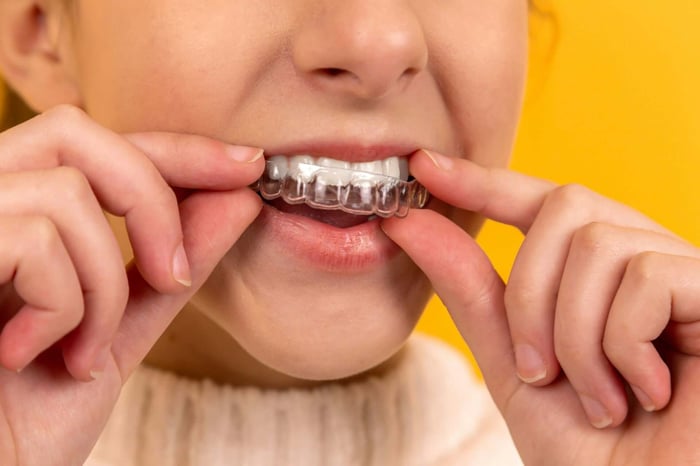
Stress, an uneven bite, and sleep disruptions often trigger this. A custom nightguard (a fitted dental appliance worn during sleep) absorbs the force and protects your teeth. If you suspect grinding, a dental exam can spot the wear before things get worse.
Mouth Breathing and Dry Mouth Reduce Natural Protection
Saliva is your mouth's built-in defense system. It washes away food particles, neutralizes acids, and delivers minerals that strengthen enamel. Mouth breathing, especially while you sleep, dries out your mouth and reduces that natural protection.
Dry mouth can also increase gum inflammation and raise your risk for cavities. Dehydration, caffeine, and certain medications make it worse. Drink plenty of water during the day and keep a glass by your bed at night.
If dry mouth sticks around, mention it at your next dental checkup; there are rinses and products that can help.
Smoking Can Raise the Risk of Gum Problems and Oral Cancer
Smoking restricts blood flow to your gums, making it harder for gum tissue to heal and fight infection. This raises the risk of gum disease, gum recession, and chronic periodontal problems. Tobacco use is also a leading risk factor for oral cancer and persistent bad breath.
Research on smoking and gum disease shows tobacco is one of the biggest risk factors for developing and worsening periodontal disease. If you smoke or use tobacco, your dental team can connect you with resources and keep an extra-close eye on your gums.
Warning Signs That Mean It Is Time for a Dental Visit
Your body sends signals when something's off with your oral health. Catching those signals early can mean the difference between a small fix and a major repair.
Sensitivity, Bleeding Gums, and Bad Breath Are Early Clues
Tooth sensitivity when you drink something hot or cold often points to enamel erosion or early tooth decay.
Gums that bleed when you brush or floss may signal gum inflammation, one of the earliest stages of gum disease. Persistent bad breath that sticks around after brushing can mean bacteria buildup or hidden cavities.
None of these symptoms are normal, even if they seem minor. They're your mouth telling you something needs attention. Mention any of these at your next dental checkup, so your team can investigate before the problem advances.
Why Small Problems Can Turn Into Bigger Repairs
A small cavity that could be fixed with a simple filling today may grow into a problem that needs a crown or root canal later. The CDC's guidance on cavities and tooth decay points out that stopping decay early helps you keep your natural teeth longer and avoid pain.
Gum disease is similar. Early gum inflammation (gingivitis) can be reversed with better home care and a deep periodontal cleaning. Left untreated, it may progress to periodontitis, which damages the bone that supports your teeth. Addressing problems while they're small saves time, money, and discomfort.
How Preventive Care Helps Protect Long-Term Oral Health
Regular dental visits catch what you can't see or feel at home. Professional cleanings remove tartar that daily brushing misses. A dental exam with digital X-rays can reveal early decay, bone loss, or hidden cracks before symptoms show up.
The American Dental Association recommends regular dental checkups as a foundation of preventive care. Pair those visits with a consistent oral care routine for the strongest protection for your smile.
Simple Daily Swaps That Help Protect Your Smile
Small, practical changes at home make the biggest difference for your oral health over time. You don't need a complete lifestyle overhaul; just a few deliberate swaps.
What to Change at Home Starting Today
Start with the basics that matter most:
Switch to a soft-bristled toothbrush and replace it every three to four months.
Use fluoride toothpaste and brush for a full two minutes, twice a day.
Floss daily, using whatever method you will stick with consistently.
Drink plenty of water, especially after meals or acidic drinks.
Choose cheese, nuts, or sugar-free gum as snacks instead of candy or chips.
Finish sugary or acidic beverages in one sitting rather than sipping all day.
These steps help protect your smile without adding much time to your routine.
How Parents Can Model Better Habits for Kids
Kids pick up their oral health habits by watching you. Brushing together as a family turns it from a chore into a shared routine. Let your child pick out a fun, soft-bristled toothbrush and a kid-friendly fluoride toothpaste to make things a bit more exciting.
Keep an eye out for habits like thumb sucking past age four or constant sippy cup use with juice. Both can affect tooth alignment and raise cavity risk. Ask about dental sealants at your child's next visit. They're a quick, painless coating that protects the chewing surfaces of back teeth from decay.
Praise the effort, not just the results. Making oral health feel positive early on helps those habits stick.
When Gentle Professional Support Makes a Difference
Some issues just need a professional. If you notice sensitivity, signs of grinding, or early gum recession, it's time for an expert to take a look. Your dental team can fit you with a custom nightguard, apply protective treatments, or help stop enamel erosion before it gets worse.
If anxiety has kept you away from the dental chair, you're not alone. Dental anxiety help and sedation for dental visits can make an appointment a lot less stressful.
Affordable care matters, too. Dental insurance and financing support help make sure cost isn't a barrier to getting the care your teeth need.
Frequently Asked Questions
Which Everyday Foods and Drinks Quietly Wear Down Enamel Over Time?
Citrus fruits, tomato-based sauces, vinegar dressings, and carbonated drinks are acidic enough to soften enamel with repeated exposure. Even healthy choices like orange juice or sparkling water can wear down enamel if you drink them often throughout the day. Rinsing with plain water after eating or drinking acidic things can help reduce the effect.
How Does Frequent Sipping on Coffee, Soda, or Sports Drinks Affect Tooth Enamel?
Every sip restarts the acid cycle in your mouth, so your saliva gets less time to repair and remineralize enamel. Sipping a soda over several hours does more damage than finishing it quickly. Using a straw and following up with water are two easy ways to limit acid contact with your teeth.
Can Brushing Too Hard or Using a Hard-Bristled Toothbrush Cause Gum Recession and Sensitivity?
Yes. Brushing aggressively wears away enamel and irritates gum tissue, which can lead to receding gums and sensitivity. A soft-bristled toothbrush with gentle pressure is enough to remove plaque without causing harm.
Why Does Snacking Throughout the Day Raise the Risk of Cavities, Even With Good Brushing?
Every time you eat, mouth bacteria produce acids that attack enamel for about 20 to 30 minutes. Frequent snacking means your teeth face almost constant acid exposure, and brushing twice a day can't undo hours of repeated acid attacks. Limiting snacks to set times gives your saliva a chance to do its repair work.
How Do Nighttime Teeth Grinding and Clenching Lead to Cracked Teeth and Jaw Pain?
Bruxism puts a lot of force on your teeth while you sleep, way more than normal chewing ever could. Over time, this pressure can flatten biting surfaces, crack enamel, and strain your jaw joint. A custom nightguard absorbs that force and protects both your teeth and jaw.
What Common Kids' Habits, Like Thumb Sucking or Constant Sippy Cup Use, Can Change Tooth Alignment?
Thumb sucking past age four can push front teeth forward and affect jaw development. Constantly sipping juice or milk from a sippy cup bathes teeth in sugar for long stretches, raising cavity risk. Switching to a regular cup and gently discouraging thumb sucking at the right age helps protect your child's developing smile.
Small Changes, Stronger Teeth
Most daily habits that damage teeth are surprisingly easy to change once you know what to look for. A softer toothbrush, daily floss, fewer sips of soda, and more water can make a difference over time.
When you're ready for a checkup, a cleaning, or just want an honest conversation about your smile, Care Dental Center in Carson is here. Dr. Barkhordar and the team offer appointment times that fit family schedules and affordable payment options. Expect a gentle, supportive approach at every age.
Ready to take care of your smile? Call Care Dental Center at (310) 626-0004 or book your appointment online in minutes.