Picture this: you're sitting at the kitchen table, orthodontic referral in hand, and your teenager already has a strong opinion. They're set on clear aligners. You're not sure they'll actually wear them. Meanwhile, your spouse is focused on the cost. It's a decision that touches your teen's confidence, your family's routine, and your wallet all at once. No one-size-fits-all answer here.
At Care Dental Center in Carson, we meet families facing exactly this situation every week. Dr. Hamid Barkhordar, DDS, MMSc — one of the top Invisalign® Diamond+ providers in the country, trained at USC and Harvard — works with parents and teens to find the option that fits both the dental needs and the reality of busy family life.
Key Takeaways
- Invisalign® Teen and braces both straighten teeth, but each works a bit differently. The best fit depends on your teen's case and their daily habits.
- Compliance is the biggest wild card with clear aligners. Invisalign® Teen comes with features to help keep teens on track.
- Dental insurance often covers part of the cost for both options, and payment plans can help make either work for your budget.
The Main Differences Parents Should Know
Invisalign® Teen and traditional braces both get the job done, but they use different methods and fit different lifestyles. Knowing how each works helps you ask the right questions.
How Invisalign® Teen Moves Teeth
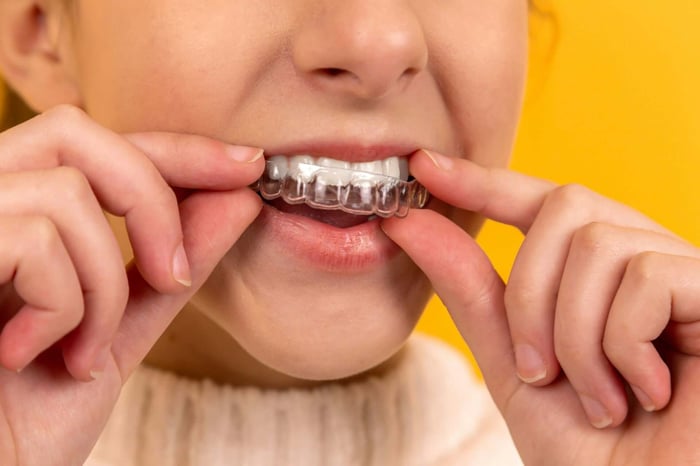
Invisalign® Teen uses a series of custom, clear plastic aligners. Each aligner puts gentle pressure on certain teeth. Teens swap to a new aligner about every one or two weeks, and the teeth shift gradually.
Sometimes, we bond tiny, tooth-colored attachments to help the aligners grip and move teeth more precisely. These are subtle but important for trickier cases. The aligners pop out easily, which is both a big perk and a responsibility.
Curious about the process? Here's more on Invisalign® treatment in Carson.
How Fixed Braces Move Teeth
Traditional metal braces use brackets glued to each tooth, connected by a wire. The orthodontist adjusts the wire at appointments, and that steady pressure moves teeth. Ceramic braces work the same way but use tooth-colored brackets that blend in more.
Braces stay on 24/7, so they keep working without your teen needing to remember anything. That reliability can really matter for certain tooth movements, especially rotations or vertical adjustments.
Which Problems Each Option Usually Handles
| Condition | Invisalign® Teen | Traditional Braces |
|---|---|---|
| Mild to moderate crowding | Yes | Yes |
| Severe crowding | Sometimes, with attachments | Often preferred |
| Large gaps | Yes | Yes |
| Overbite | Yes | Yes |
| Underbite | Mild to moderate | Often preferred |
| Crossbite | Yes | Yes |
| Rotated teeth | Mild to moderate | Often preferred |
| Open bite | Yes, often effective | Yes |
The American Association of Orthodontists notes that orthodontists look at tooth position, jaw growth, and age before recommending a treatment. A board-certified orthodontist will lay out your teen's best options.
What Daily Life Looks Like for a Teen in Treatment
Appearance, Confidence, and Social Comfort
Invisalign® aligners are practically invisible in conversation and photos. Most classmates won't notice unless your teen points them out. For teens who feel self-conscious, this can make a real difference.
Metal braces are obvious, and that's just part of the deal. Some teens don't mind, and some even like picking out colored bands. Others would rather not have braces show up in every school photo or social event. Ceramic braces offer a more subtle look, with brackets that blend into the teeth.
Your teen's honest input on this matters — their buy-in shapes how well treatment goes.
Eating, Sports, and Food Restrictions
With braces, there's a list of foods to avoid.
Foods to avoid with braces:
- Hard foods: raw carrots, apples, popcorn
- Sticky stuff: caramel, gummy candy, taffy
- Chewy breads and bagels
- Ice chewing
With Invisalign®, your teen just pops the aligners out before eating and puts them back after brushing. No food restrictions, which most teens appreciate.
For sports, braces require a mouthguard to protect brackets and cheeks. With Invisalign®, just remove the aligners and wear a regular mouthguard.
Oral Hygiene With Aligners vs Brackets
Brushing and flossing with braces takes more effort. Food gets stuck around brackets, and flossing requires threaders or special brushes. If teens slack off, plaque builds up quickly.
With Invisalign®, teens remove aligners to brush and floss normally. The aligners need daily cleaning too. This easier routine is a big reason teens lean toward aligners, and it does help with cavity prevention.
Still, if your teen leaves aligners out for hours or doesn't clean them, hygiene issues can crop up. Discipline matters either way.
Compliance, Timing, and Why Consistency Matters
Braces do their job without reminders. Invisalign® Teen depends on your teen's consistency.
Why Invisalign® Teen Needs 22 Hours a Day
Aligners need to be worn at least 22 hours daily to stay on track. That leaves about two hours for eating, drinking anything besides water, and brushing. If your teen wears them less, progress slows and treatment can drag out.
Consistent pressure is what shifts teeth. Gaps in wear time let teeth drift back, so the next aligner might not fit.
If your teen is motivated and gets the trade-off, it works. If routines are a struggle, aligners can become a hurdle.
Built-In Accountability Features for Teens
Invisalign® Teen comes with blue compliance indicators — little dots that fade as aligners are worn. Parents can check these to see if wear time is on track.
It also includes up to six free replacement aligners if one gets lost or broken. Teens lose things, so this feature can save a lot of hassle.
These features help, but honest conversations between parents and teens matter most.
How Case Complexity Impacts Treatment Time
Mild crowding or crooked teeth may straighten out in 12 to 18 months with either option. More complicated bite issues or severe crowding can stretch treatment closer to two years, regardless of appliance.
Braces often have more predictable timing for tough cases, since orthodontists can make direct adjustments. Invisalign® cases are planned digitally, which is efficient for moderate issues, but sometimes need extra aligners if things don't go exactly as planned.
Your orthodontist will estimate timing based on your teen's case — not a blanket promise.
Cost, Insurance, and Budget Planning for Families
Neither option is cheap, but both can be more affordable than you'd guess once insurance and payment plans are factored in. The American Association of Orthodontists notes that most offices offer payment plans to help families spread the cost.
What Affects Invisalign® Cost and Braces Cost
Total cost depends on your teen's case, treatment length, and the appliance chosen. Ceramic braces usually cost more than metal. Invisalign® Teen often lands in the same range as ceramic braces, sometimes a bit higher.
| Factor | Metal Braces | Invisalign® Teen |
|---|---|---|
| Base cost range | Generally lower | Moderate to higher |
| Case complexity impact | Significant | Significant |
| Replacement parts | Occasional repair fees | Up to 6 free replacements |
| Retainers after treatment | Separate cost | Separate cost |
Costs vary by provider and case. These are general ranges.
How Dental Insurance May Apply
Many dental insurance plans include an orthodontic benefit — a lifetime maximum per person. This usually applies to both braces and Invisalign®, but it's smart to check your plan before your consult.
Orthodontic benefits are separate from regular dental maximums. They cover a set dollar amount, not a percentage, so knowing your number ahead of time helps you plan.
Financing and Payment Options to Ask About
Most orthodontic offices offer in-house payment plans to spread out the cost. Third-party financing is also common, letting you extend payments further if needed.
You can look into insurance and financing options in Carson before your appointment. Bring your insurance card and a list of payment questions so you get a clear picture at your consult.
How to Decide Which Option Fits Your Teen Best
There's no universal answer, and any orthodontist who claims otherwise without seeing your teen is skipping an important step.
When Invisalign® May Be the Better Lifestyle Fit
Invisalign® Teen fits best for self-motivated teens, those who care about appearance, play contact sports, or do activities like band or drama where a removable appliance helps.
It's also a good match for mild to moderate crowding, spacing, or bite issues that Invisalign® can handle. If your teen's already been told they're a candidate, lifestyle usually tips the scale.
When Braces May Offer More Control
Braces are often the better call for severe crowding, big bite corrections, or tooth movements that need more control than aligners can give. They're also more reliable for teens who might forget or lose aligners.
If your teen has a complex case and tends to misplace things or struggles with routines, braces may give a steadier result. The metal braces options in Carson cover everything from standard to more involved cases.
Questions to Ask at Your Orthodontic Visit
- Is my teen's case right for Invisalign® Teen?
- How would treatment look different with braces?
- What's the estimated treatment time, and what could change it?
- What's the total cost for each option, including retainers?
- Are payment plans available, and does our insurance apply to both?
Your answers, along with your teen's honest input, will help you land on the right choice.
Frequently Asked Questions
Which Option Is More Comfortable for School, Sports, and Band?
Invisalign® aligners are usually more comfortable for daily life since they're smooth and removable. For sports and band, they can come out entirely, which braces can't do. Both options cause some soreness after adjustments or new trays, but neither is totally free of discomfort.
How Do We Know if a 12-Year-Old Is Ready for Clear Aligners or Should Start With Braces?
Invisalign® Teen works best once most permanent teeth are in. Most orthodontists wait until the major adult teeth have erupted before starting aligners. An orthodontic evaluation will confirm if your child is ready. Many practices recommend a first ortho check by age seven to monitor growth, as the American Association of Orthodontists suggests.
What Is the Typical Cost Difference, and What Does Insurance Usually Help Cover for Each Option?
Braces and Invisalign® Teen often cost about the same — sometimes the difference is just a few hundred dollars, depending on your case and which provider you see. Dental insurance plans that include orthodontic benefits usually set the same lifetime maximum for both treatments.
Check your specific insurance details before your consultation so you know what to expect.
Which Treatment Usually Works Faster for Common Teen Orthodontic Needs, and What Affects the Timeline?
Most mild or moderate cases take around 12 to 24 months, whether you choose braces or Invisalign® Teen. For more complicated issues, braces can sometimes move teeth a bit faster because they let your orthodontist make very precise adjustments.
If your teen doesn't wear Invisalign® aligners as directed, treatment can take longer. Braces don't have that problem since they stay on all the time.
How Much Daily Responsibility Does a Teen Need for Aligners, and What Happens if They Forget to Wear Them?
Teens need to wear aligners about 22 hours a day, only taking them out for meals and brushing. If they skip wearing them, teeth won't shift as planned.
Sometimes, not wearing aligners enough means the next set won't fit, and your orthodontist might need to order extra aligners or repeat a phase — which can add time and, occasionally, extra cost.
How Do Clear Aligners and Braces Compare for Keeping Teeth Clean and Avoiding Cavities During Treatment?
Braces make brushing and flossing trickier, since brackets and wires catch more plaque. Aligners come out for brushing, so cleaning teeth is usually easier.
Still, teens have to keep their aligners clean too. Drinking sugary drinks with aligners in can trap sugar against teeth, which raises the risk of cavities — just like not brushing well with braces.
That kitchen table conversation doesn't have to end in a stalemate. Most families leave their consultation with a clear sense of direction — not because one option is objectively better, but because the right one becomes obvious once someone who knows your teen's teeth is in the room. Call (310) 626-0004 or request an appointment online to set up a personalized orthodontic consultation with Dr.Barkhordar's team.