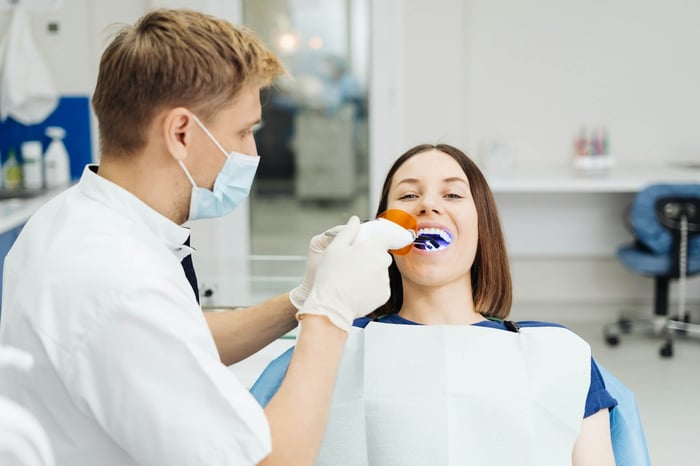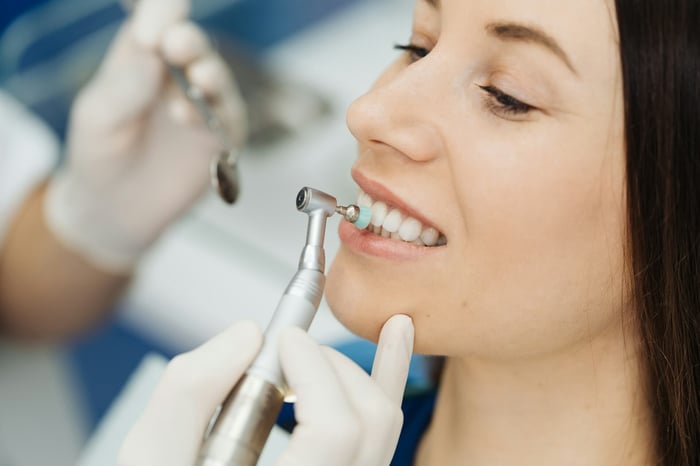
Orthodontic care plays a key role in protecting your smile for life. Aligning your teeth and correcting your bite helps prevent many common dental problems, such as cavities, gum disease, and uneven tooth wear. Straight teeth are easier to clean and keep healthy.
At Care Dental Center, our Carson team provides comfortable, personalized orthodontic care using gentle techniques and modern tools. Whether you’re considering braces or clear aligners, our focus is on long-term health, balance, and confidence in your smile.
This guide explains how orthodontic treatment supports lasting oral health—reducing risks, improving comfort, and keeping your teeth strong and beautiful for years to come.
Foundations of Orthodontic Care
Learning how orthodontic care works, who benefits from it, and how it has changed over time shows why it’s important for your long-term oral health. Modern treatments focus on comfort and lasting results.
What Is Orthodontic Treatment?
Orthodontic treatment moves your teeth into better positions using devices like braces or clear aligners. These tools gently shift your teeth over time to improve how they fit together.
The goal is to fix problems like crooked teeth, crowding, or bite issues. This not only helps your smile look better but also makes chewing and speaking easier and cleaning your teeth simpler, lowering the chance of cavities and gum disease.
Your orthodontic care will be explained clearly, so you know what to expect. Modern tools make treatments more comfortable than ever.
Who Needs Orthodontic Intervention?
You or your family members might need orthodontic care if your teeth are crowded, spaced oddly, or don’t line up properly when you bite. Children and teens most often need treatment, but adults can benefit too. Early care can prevent bigger problems later.
Watch for signs like difficulty chewing, jaw pain, or teeth that seem to wear unevenly. Sometimes, orthodontics helps improve speech or stop tooth decay caused by hard-to-clean teeth.
Orthodontics today uses gentle, effective methods suited for all ages, so you don’t need to feel worried about treatment.
How Orthodontics Has Evolved
Orthodontics has changed a lot over the years. Traditional metal braces remain common, but new options like clear aligners give you more choices. These aligners look nearly invisible and can be removed for eating and cleaning.
Technology now lets dentists plan your treatment in detail. Digital scans replace messy impressions, making the process quicker and more comfortable. Personalized plans fit better and work faster.
Link Between Orthodontics and Oral Health
Orthodontic care keeps your teeth straight, your gums healthy, and your bite balanced. It also reduces wear on your teeth and lowers the risk of damage over time. These benefits work together to support your oral health for years.
Impact on Tooth Alignment
When your teeth are well-aligned, you can keep them clean more easily. Crooked or crowded teeth create hard-to-reach spots where plaque and bacteria build up, leading to cavities and gum problems.
Orthodontic treatments like braces or clear aligners gently move your teeth into the right place. This improves your bite and makes brushing and flossing more effective.
How Tooth Alignment Makes Oral Hygiene Easier
Properly aligned teeth are easier to clean thoroughly, reducing places where plaque and bacteria hide. According to the American Dental Association (ADA), correcting misalignment with orthodontic care lowers the risk of cavities and gum disease by improving access for brushing and flossing.
Prevention of Gum Disease
Misaligned teeth put extra stress on your gums, causing inflammation and making it easier for infection to develop. Gum disease is a leading cause of tooth loss if left untreated.
Straightening your teeth keeps your gums firm and healthy. It reduces pockets where bacteria hide and lowers the chance of gum problems. Regular orthodontic check-ups can catch early signs of trouble and help you avoid costly treatments later.
Reducing Tooth Wear and Damage
Uneven bites cause some teeth to take more pressure than others. This uneven force can wear down enamel, chip teeth, or even cause cracks. Over time, these issues may lead to pain and more complex dental care.
Orthodontics balances your bite, spreading out chewing forces evenly. When your bite fits well, your teeth stay stronger and last longer. Fixing bite problems early protects your smile from unnecessary damage.
Resolving Bite Issues
Bite problems like overbite, underbite, or crossbite affect chewing, speaking, and jaw comfort. Left untreated, they may cause headaches, jaw pain, or difficulty eating certain foods.
Correcting bite problems through orthodontics improves how your teeth fit together. This reduces strain on your jaw joints and muscles, making daily activities easier and more comfortable.
Lifelong Benefits of Early Orthodontic Treatment
Starting orthodontic care early shapes how your child’s teeth and jaws grow. It guides development and reduces big dental problems later. Taking action early means less chance of complex treatment as they get older.
Importance of Early Assessment
Getting an orthodontic checkup by age 7 allows your dentist to spot issues before they worsen. Early assessment can find problems like crooked teeth, bite issues, or jaw misalignment. It gives your care team a chance to plan treatment at the right time.
Early visits include simple exams and X-rays to track growth. This lets your dentist suggest options that best support healthy development. Treatment can start gently, often avoiding bigger fixes later on.
Guiding Jaw Development
Early orthodontic treatment helps guide the jaw’s growth while your child is still growing. Using appliances like expanders or braces, the care team gently nudges jaws into better alignment, creating room for teeth to come in properly.
This guidance supports a balanced bite and helps the face develop evenly. It can make chewing, speaking, and breathing easier for your child. When jaws grow correctly, teeth have a better chance to fit naturally, reducing crowding and shifting later.
Preventing Severe Dental Problems
Addressing issues early lowers the risk of serious dental problems like impacted teeth, severe bite issues, or tooth wear. Early treatment often simplifies or shortens later care. It can protect your child from pain or damage caused by misaligned teeth.
You may avoid extractions or surgery when treatment starts at the right time. Early orthodontics also reduces the risk of gum problems linked to crowded teeth. This care supports healthier teeth for life, saving you stress and cost in the future.
Orthodontic Solutions for Adults
Adults have many effective ways to improve their smiles and oral health with orthodontic care. Treatments today are easier to fit into your busy life, and there are options that help keep your teeth straight long after treatment ends. You can also boost your confidence and improve how your teeth work every day.
Modern Treatment Options
You’re not limited to traditional braces as an adult. Clear aligners like Invisalign are popular because they are nearly invisible and can be removed when eating or brushing. Ceramic braces offer a less noticeable alternative to metal ones.
Modern tools make treatment more comfortable and faster. These options often fit your schedule with fewer office visits and work well for both minor corrections and more complex adjustments.
Advances in orthodontics make treatment less painful and more effective. You’ll get clear steps and support during your care so you feel confident and informed.
Addressing Relapse and Maintenance
After your braces or aligners come off, teeth can sometimes shift back over time, a problem called relapse. Wearing retainers as recommended is key to keeping your teeth in their new positions.
Your orthodontist will guide you on the best retainer type, fit, and how long you need to wear it. Regular check-ups help catch any changes early so you can avoid bigger problems later.
Maintenance also includes good oral hygiene habits to protect your gums and enamel. Your dental team will teach you how to keep your smile healthy between visits.
Improving Confidence and Oral Function
Straight teeth are easier to clean, which lowers your risk of tooth decay and gum disease. Aligning your bite also improves how you chew and speak, reducing strain on your jaws.
Orthodontic care can fix uneven spacing or crowding that might cause discomfort or wear on teeth. Many adults find that their confidence grows when they see a smile they feel proud of.
Maintaining Results for a Healthier Future
Keeping your new smile healthy takes ongoing care after orthodontic treatment. You’ll need tools and habits to protect your alignment, keep your teeth clean, and catch any problems early. This support helps your smile stay strong for years.
Role of Retainers in Long-Term Success
Retainers hold your teeth in place once braces or aligners come off. Without them, teeth can slowly shift back to their old positions. Your orthodontist will give you a retainer and instructions on how often to wear it.
There are different types of retainers, including fixed (bonded) and removable ones. Wearing your retainer as directed—sometimes every day, then just at night—is the most important step to keep your smile aligned.
Tips for Oral Hygiene After Treatment
Your teeth may be easier to clean after orthodontics, but good habits remain essential. Brush twice a day using a soft-bristled toothbrush and fluoride toothpaste. Floss daily to remove plaque between teeth and avoid gum problems.
If you have a fixed retainer, use floss threaders or special brushes to reach under the wire. Mouthwash can help reduce bacteria, but do not replace brushing or flossing. Staying consistent prevents decay and keeps your gums healthy.
Regular Checkups and Continued Care
Even after treatment, regular dental visits are important to protect your results. See your dentist every six months for cleanings and exams. These visits help catch cavities, gum issues, or wear problems early.
Strong, Balanced Smiles Start With Orthodontic Care
Orthodontic treatment offers more than straight teeth—it builds the foundation for lifelong oral health. Aligned teeth are easier to clean, more comfortable to chew with, and less prone to wear and gum disease.
At Care Dental Center, we’re dedicated to helping Carson families enjoy healthier smiles through gentle, personalized orthodontic care. Our goal is lasting comfort, confidence, and function for every patient we treat.
If you or your child is ready to experience the benefits of orthodontics, schedule your consultation today. Let us help you achieve a smile that’s confident, healthy, and built to last.
Frequently Asked Questions
Understanding how orthodontic care helps your oral health can make your treatment easier and more effective. Below are key details about benefits, care, and managing your comfort during orthodontic treatment.
What are the long-term benefits of receiving orthodontic treatment?
Orthodontic treatment helps straighten your teeth, which can prevent problems like tooth decay, gum disease, and uneven wear. It also improves your bite, making it easier to chew and speak properly.
Correcting misaligned teeth early means you reduce the risk of jaw pain and other dental issues later in life. A well-aligned smile can boost your confidence, too.
Can adults benefit from orthodontic care, and how does it impact oral health?
Yes, adults can get orthodontic treatment, and it improves their oral health. It fixes teeth that have shifted over time or corrects bite problems you may have lived with. Healthy teeth are easier to clean, so your risk of cavities and gum disease goes down. Treatment also reduces strain on your jaw muscles and joints.
How do braces contribute to maintaining dental health throughout life?
Braces gently move your teeth into place, making brushing and flossing easier. This reduces plaque buildup and lowers your risk of cavities and gum problems. Braces fix your bite and protect your enamel from uneven damage caused by chewing. This helps maintain your teeth's strength as you age.
What measures should be taken to manage pain during orthodontic treatment?
You can use over-the-counter pain relievers like ibuprofen to ease discomfort after adjustments. Eating soft foods and avoiding hard or sticky items also helps. Applying a cold pack to your cheeks may reduce swelling. Your orthodontist will give you clear advice so you know how to stay comfortable during your treatment.
How can orthodontic care in children promote better oral health in adulthood?
Starting orthodontic care young can guide proper jaw growth and fix bite issues before they worsen. This reduces the chance of needing more extensive treatment later. Early treatment helps children develop better habits for cleaning their teeth and keeps their smile healthier as they grow.
What are the necessary steps to ensure successful outcomes from braces treatment?
Follow your orthodontist’s instructions carefully, including wearing rubber bands or retainers as directed. Visit regularly so the team can check progress and make adjustments. Keep your teeth clean and avoid foods that damage braces. Your commitment helps your smile stay healthy and strong for the long term.