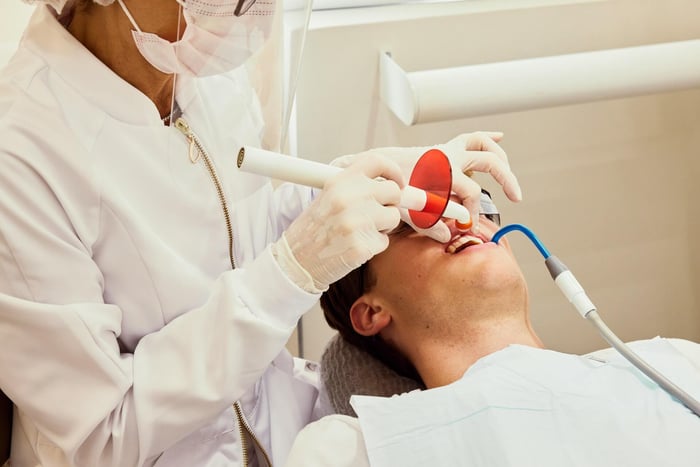
When wisdom teeth begin to emerge, they can sometimes cause tightness or soreness in your jaw. These third molars often lack the space to grow in properly, creating pressure that leads to stiffness, discomfort, or swelling in the back of your mouth.
At Care Dental Center, our Carson team uses advanced imaging and precise diagnostics to identify the cause of jaw soreness. Whether it’s impaction, crowding, or gum irritation, our skilled dentists focus on targeted, effective solutions that protect your comfort and long-term oral health.
In this article, you’ll learn how wisdom teeth can lead to jaw pain, what symptoms to watch for, and how professional care can help relieve soreness while preventing future complications.
How Wisdom Teeth Impact Jaw Health
Wisdom teeth can affect your jaw in several ways. They often cause pressure and changes in how your teeth fit together. These changes can lead to soreness and discomfort if not checked early.
Crowding and Jaw Pressure
When wisdom teeth start to come in, there might not be enough room in your mouth. This lack of space pushes other teeth out of place. The pressure from this crowding can make your jaw feel tight and sore.
Crowding can also cause pain when biting or chewing. You may notice your teeth feel sensitive or your jaw muscles get tired easily.
Impingement Against Other Teeth
Sometimes wisdom teeth grow at odd angles and lean against the nearby molars instead of coming in straight. This pushing, called impingement, irritates the surrounding teeth and gums.
This pressure can lead to soreness in your jaw and even inflammation in the gums. It might make it harder to open your mouth fully. If you experience these symptoms, a dental check can determine if your wisdom teeth are the cause.
Misalignment Effects
Misaligned wisdom teeth affect how your upper and lower teeth fit together. This misalignment can cause your jaw joints to work harder than usual. Over time, this strain results in soreness or clicking sounds when you move your jaw.
You might find headaches or jaw pain that worsen after eating. Aligning your bite and removing problematic wisdom teeth can relieve this discomfort. A visit to your dentist is the first step toward a more comfortable jaw.
Causes of Jaw Soreness from Wisdom Teeth
Jaw soreness from wisdom teeth happens for a few main reasons. It often starts when these teeth try to come in but don't have enough room, or cause irritation. The pain might come from your gums, the position of the teeth, or even infections around them.
Partial Eruption and Gum Inflammation
When your wisdom teeth start to break through the gums but don’t fully come out, this is called partial eruption. It creates a flap of gum tissue that can easily trap food and bacteria. This buildup often leads to gum inflammation called pericoronitis.
You might notice swelling, tenderness, and a dull ache in your jaw near the wisdom tooth. The irritation of the gum tissue causes discomfort, making it harder to chew or open your mouth fully. This soreness can last until the tooth fully erupts or is treated.
Impacted Wisdom Teeth
Sometimes, wisdom teeth don’t grow in straight and get stuck in your jawbone or under your gums. These are called impacted wisdom teeth. They can push against nearby teeth or bone, which causes pressure and soreness in your jaw.
You may feel constant aching or sharp pain, especially when biting down or moving your jaw. Impacted teeth can also make your jaw stiff and sore because your muscles work harder to adjust.
Cyst and Infection Formation
If a wisdom tooth stays impacted for a long time, a fluid-filled sac called a cyst can form around it. This cyst can cause pressure in your jawbone, leading to soreness or even jaw swelling.
Infections can develop if bacteria get trapped under the gums or inside the cyst. These infections cause pus, redness, and increasing pain. The soreness might spread to your ear, neck, or other parts of your jaw. If you notice these signs, it’s important to see your dentist to prevent complications.
Identifying Symptoms of Wisdom Teeth-Related Discomfort
If your wisdom teeth are causing issues, you might notice different types of pain or difficulty around your jaw. These signs often point to discomfort linked to wisdom teeth growth or complications.
Localized Jaw Pain
You may feel sharp or dull pain in the back part of your lower or upper jaw. This pain is usually focused near the area where the wisdom teeth try to emerge. It can become worse when you open your mouth wide or when chewing.
This soreness happens because wisdom teeth can push against nearby teeth or get stuck under the gums. Sometimes, the gums swell and feel tender to the touch. If you notice redness, swelling, or a bad taste in your mouth, it often means the area is irritated or infected.
Radiating Aches and Headaches
Jaw soreness from wisdom teeth might cause pain that spreads beyond the jaw. You could experience headaches or earaches because nerve pathways in your face are connected. This pain may feel like a constant ache around your temples or behind your eyes.
The pressure from impacted wisdom teeth can strain nearby muscles and jaw joints. This tension leads to discomfort that extends to parts of your head or neck. If you find headaches come along with jaw pain, it’s a sign to get checked out.
Difficulty Chewing
When wisdom teeth hurt, you might struggle to chew food on one side of your mouth. Pain or swelling can make it hard to bite down or fully open your jaw. This can cause you to favor the other side, which might strain your jaw muscles.
If chewing feels uncomfortable or if your jaw locks or clicks, wisdom teeth could be causing this trouble. It’s important to have your dentist look over your jaw to see if your wisdom teeth are the cause.
When to Seek Dental Care for Jaw Soreness
Jaw soreness from wisdom teeth can sometimes go away with home care. But there are certain signs you should watch for that mean it’s time to see a dentist. Knowing when to get professional help can prevent problems from getting worse.
Signs of Infection or Swelling
If your jaw soreness comes with redness, swelling, or warmth near your wisdom teeth, you may have an infection. You might notice pus, bleeding, or a bad taste in your mouth. Fever and difficulty opening your mouth are also signs to watch.
Infections around wisdom teeth can cause serious discomfort and affect nearby tissues. If you see these symptoms, call your dentist for an appointment. Early treatment can stop the infection and reduce swelling quickly.
Persistent Pain Despite Home Care
If your jaw pain lasts more than a week or gets worse even after using ice packs, pain relievers, and salt water rinses, it’s time to get checked. Pain that interferes with eating, speaking, or sleeping is a sign that professional care is needed.
Sometimes, wisdom teeth cause pressure or damage to your jaw joint or surrounding teeth. A dentist can take X-rays to find the problem and suggest the right treatment. Don’t wait too long, as delaying care may lead to more discomfort or a complex procedure.
Prevention and Relief of Jaw Soreness
Jaw soreness from wisdom teeth can often be eased or prevented with good daily habits and simple care steps. Taking care of your mouth, adjusting how you eat and rest, and using safe pain relief methods all help keep your jaw more comfortable.
Oral Hygiene Habits
Keeping your mouth clean is key to reducing jaw soreness caused by wisdom teeth. Brush your teeth gently twice a day, especially around the back where wisdom teeth are. Use a soft-bristled toothbrush to avoid irritating your gums.
Floss daily to remove food stuck between teeth. If brushing is uncomfortable near your wisdom teeth, try rinsing with a non-alcohol mouthwash or warm salt water. This helps reduce bacteria and inflammation.
Lifestyle Adjustments
Watching how you use your jaw can lessen the soreness caused by wisdom teeth. Avoid chewing very hard, sticky, or chewy foods like nuts and gum. These put extra pressure on your jaw and can worsen pain.
Try eating softer foods like yogurt or soup, especially if your jaw feels sore or stiff. Also, practicing good posture—keeping your head upright and your neck relaxed—can ease jaw tension.
Taking breaks from talking or chewing for long periods helps your jaw rest. You might also try gentle jaw exercises or massage, but only if they don’t cause pain.
Pain Management Options
If you have jaw soreness from wisdom teeth, over-the-counter pain relievers like ibuprofen or acetaminophen can help reduce discomfort. Follow the directions carefully to avoid side effects.
Cold compresses applied to the outside of your cheek can reduce swelling and numb pain. Use the compress for 10-15 minutes with breaks in between. If pain lasts or worsens, it’s important to visit your dentist. They can check if your wisdom teeth need treatment to relieve pain safely.
Gentle Relief for Wisdom Tooth-Related Jaw Soreness
Wisdom teeth can cause jaw soreness, swelling, or discomfort if they become impacted or don’t have enough space to grow. Early detection and professional care can prevent these issues from worsening and protect your overall oral health.
At Care Dental Center, our Carson dental team focuses on patient comfort and clarity. We use advanced imaging to diagnose the cause of your jaw pain and recommend gentle, effective treatments that provide relief and long-term protection.
If you’re noticing jaw soreness, stiffness, or pain near the back of your mouth, schedule an appointment today. Early care can ease discomfort, prevent complications, and keep your smile healthy and comfortable.
Frequently Asked Questions
Jaw soreness from wisdom teeth can happen in different ways. Some pain is normal, but knowing how long it lasts and what helps can make it easier to manage.
What are effective ways to alleviate jaw pain from wisdom teeth?
You can try gently massaging your jaw or using a cold compress to reduce swelling. Over-the-counter pain medicine often helps too. Avoid very hard or chewy foods, and rest your jaw as much as possible.
How long is jaw soreness expected to persist after wisdom teeth emerge?
Jaw soreness usually lasts a few days to a couple of weeks as the teeth push through. If pain lasts longer or gets worse, you should see your dentist.
Is it possible for wisdom teeth to trigger pain on only one side of the jaw?
Yes. Sometimes, only one wisdom tooth causes pressure or pain on one side. This is common if only one tooth is coming in or is impacted.
Can the process of wisdom teeth emergence cause discomfort when opening the mouth?
Yes. Emerging wisdom teeth can cause your jaw to feel stiff or sore, making it tougher to open your mouth wide.
What is the typical duration of jaw discomfort after wisdom teeth extraction?
Jaw soreness after removal can last about one to two weeks. With rest and care, the discomfort should gradually improve.
Does the removal of wisdom teeth typically resolve jaw tension?
Most people experience less jaw tension after their wisdom teeth are removed. If tension continues, your dentist can check for other causes.