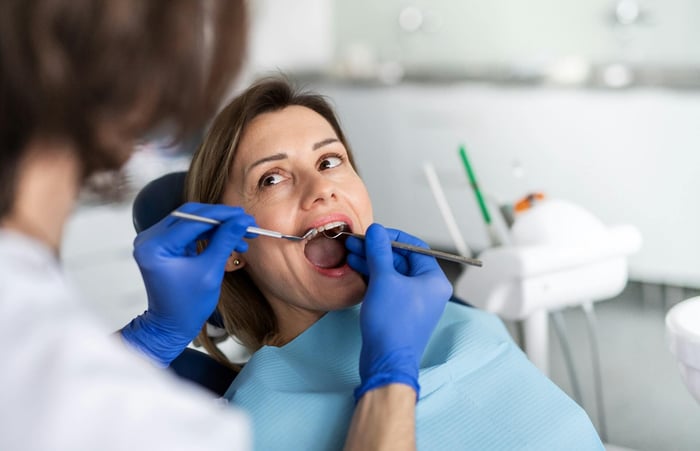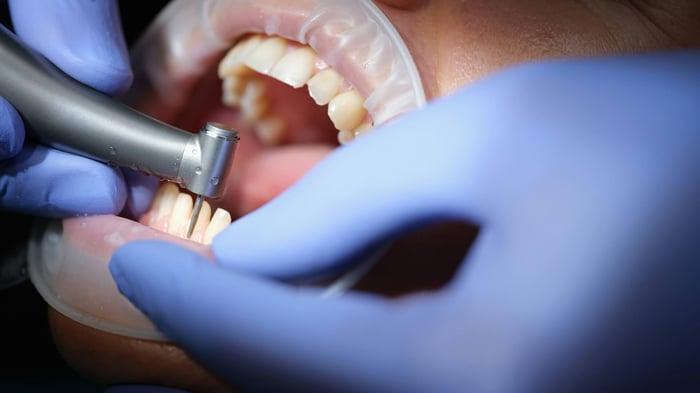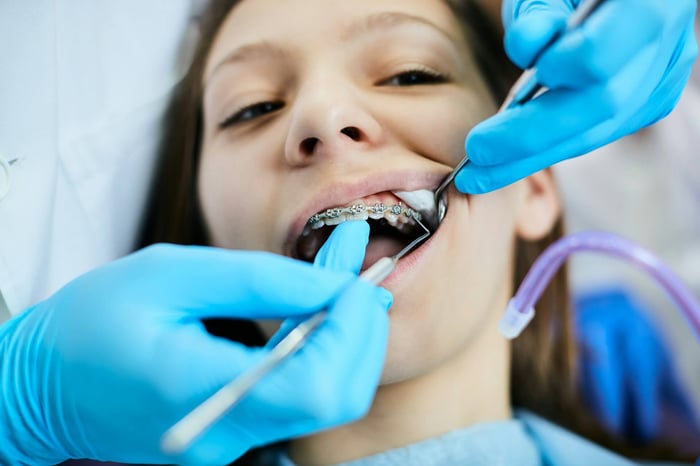
Finding a kids dentist near you who monitors early tooth development is one of the most valuable decisions you can make for your child’s long-term oral health. Early visits let dentists monitor growth, catch issues early, and promote healthy habits.
At Care Dental Center in Carson, our pediatric team emphasizes preventive growth monitoring. This includes checking how teeth erupt, ensuring proper bite alignment, and assessing the impact of oral habits like thumb-sucking on development.
This guide explains why early monitoring matters, what services support healthy development, and how to choose a local dentist who makes every visit positive for both you and your child.
Key Takeaways
Start dental visits early to track tooth and jaw growth.
Early care can prevent or reduce future orthodontic needs.
Choose a pediatric dentist who focuses on development and comfort.
Why Early Monitoring of Tooth Development Matters
Regular checks help spot problems early, prevent pain, and guide healthy habits that protect baby's and permanent teeth.
The Importance of Early Dental Visits
Your child should see a pediatric dentist by their first tooth or first birthday. That first dental visit lets the dentist check for tooth eruption, oral anatomy, and feeding-related risks. You’ll get hands-on tips for cleaning tiny teeth and advice on bottle or breastfeeding habits that affect early tooth decay.
Early visits also let the dentist watch growth over time. That means small issues—like delayed tooth eruption, ankylosed teeth, or tongue-tie—get noticed before they cause crowding or speech problems. Regular follow-ups build your child’s comfort with dental care, making future care easier.
Impact of Childhood Tooth Decay
Tooth decay in baby teeth can start fast and cause pain, infections, and trouble eating or sleeping. If you delay care, decay may spread to neighboring teeth or affect the developing permanent teeth below the gums.
Decay can also change how your child eats and speaks. Severe early tooth decay sometimes requires extractions or more complex treatment under sedation. Monitoring by a pediatric dental team helps you catch early tooth decay when simple treatments like fluoride, sealants, or diet changes can stop it.
Benefits of Monitoring Tooth Growth
When a pediatric dentist tracks tooth growth, they watch eruption timing, jaw alignment, and bite development. This lets them recommend simple interventions—like space maintainers after an early loss—or refer to an orthodontist early if jaw growth looks off.
You also benefit from personalized prevention: fluoride schedules, sealant timing, and tailored cleaning routines. Monitoring reduces the chance of costly or invasive treatments later. It gives you clear steps to protect both baby teeth and the permanent teeth that follow.
Key Pediatric Dental Services for Early Development
You will learn which services help your child’s teeth grow straight and stay healthy. Focus areas include routine checkups, fluoride and sealants to prevent decay, and common procedures pediatric dentists use when problems start.
Routine Exams and Cleanings
Routine exams track how baby teeth and jaws develop. At these visits, the dentist checks tooth eruption, bite alignment, and jaw growth. They also look for early signs of decay and habits like thumb sucking that affect development.
Cleanings remove plaque and polish teeth to reduce cavities. The team will show you how to brush and floss your child’s teeth correctly and suggest a schedule for visits—often every six months, or more often if needed.
The dentist will document growth with notes or X-rays when appropriate. This record helps spot shifts early and plan treatments, like space maintainers, if a baby tooth is lost too soon.
Fluoride Treatments and Preventive Care
Fluoride strengthens enamel and lowers the risk of cavities in young children. Your pediatric dentist may apply a fluoride varnish or gel during a visit. These treatments are quick, safe, and especially helpful if your child has a higher cavity risk.
Your dentist will also review your child’s fluoride sources, such as toothpaste concentration and water supply. They will tell you the right toothpaste amount for your child’s age and whether a fluoride supplement is needed.
Preventive care includes advice on diet, snacking frequency, and bottle or sippy-cup habits that affect tooth health. Simple changes, like limiting juice and avoiding grazing, can cut decay risk and support healthy development.
How Fluoride Protects Developing Teeth
According to the Centers for Disease Control and Prevention, fluoride strengthens enamel and prevents cavities by rebuilding weakened mineral layers. Topical fluoride treatments at the dentist and proper toothpaste use at home reduce tooth decay in children by nearly 30%
Dental Sealants for Kids
Dental sealants are thin plastic coatings placed on the chewing surfaces of back teeth. They protect deep grooves where food and bacteria collect, cutting cavity risk for molars and premolars.
A sealant appointment is fast and painless: the tooth is cleaned, dried, and the sealant is painted on. It bonds to the tooth and can last several years with routine checks and bite adjustments as needed.
Sealants work best when placed soon after permanent molars erupt. Your pediatric dentist will evaluate each tooth and recommend sealants based on cavity risk, the tooth’s shape, and your child’s oral hygiene habits.
Common Pediatric Dental Procedures
Pediatric dentists perform several common procedures to treat decay and protect developing teeth. Fillings and crowns restore function after cavity removal. For small cavities, fillings are typical; for very large decay or a broken tooth, a stainless-steel crown may be used.
Extractions may be necessary if a tooth is severely damaged or to make room in an overcrowded mouth. When a primary tooth is lost early, your dentist might place a space maintainer to keep space for the permanent tooth.
Other procedures include pulpotomy (baby tooth root treatment) and orthodontic screening. Pediatric dentists use behavior techniques and child-friendly tools to keep your child calm during treatment and explain each step to you clearly.
Choosing the Right Kids Dentist Near You
You want a dentist who observes early tooth and jaw growth, explains what to expect, and makes visits easy for your child. Focus on training, experience with young kids, office setup, and clear communication about monitoring development.
Qualities of the Best Pediatric Dentist
Look for a pediatric dentist near me with formal pediatric training and board or academy membership. That shows they studied child growth, behavior, and special needs beyond general dentistry.
Choose someone who routinely monitors tooth eruption, jaw alignment, and oral habits. Ask whether they screen for airway or breathing issues linked to jaw development. These checks matter for early intervention.
Pick a dentist who uses child-friendly language, offers behavior techniques or gentle sedation options, and works with pediatricians or orthodontists when needed. Good record-keeping and photos or X-rays over time help track development.
How to Find a Pediatric Dentist Near Me
Start with local searches: “kids dentist near me” or “pediatric dentist near me.” Use the American Dental Association or verified directories to get a list of credentialed providers.
Call offices and ask specific questions: Do you see infants by first tooth or by age one? Do you monitor jaw growth and airway signs? How do you communicate findings to parents?
Read recent reviews that mention infants, developmental tracking, or coordination with specialists. Note practical details: office location, insurance accepted, appointment availability, and emergency policies.
Assessing a Child-Friendly Dental Office
Visit the office or take a virtual tour. Look for child-sized furniture, low-sensory waiting areas, and staff trained to calm children. These things reduce anxiety and make monitoring visits smoother.
Evaluate infection control, technology, and comfort options. Ask if they use digital X-rays and intraoral photos for tracking. Check whether they explain findings with visuals and give clear next steps.
Observe staff interactions with kids. Friendly, patient behavior and clear explanations for parents matter more than toys or bright paint. A good kids' dentist will make both you and your child feel respected and informed.
Monitoring Early Orthodontic Development
Regular checkups help you catch jaw or tooth problems before they need big treatment. A dentist or orthodontist can track jaw growth, tooth spacing, and bite patterns to guide timely care.
Importance of Early Orthodontic Evaluations
You should schedule an early orthodontic evaluation around age 7, when the first permanent teeth appear. This visit lets the orthodontist examine how the upper and lower jaws fit together and whether adult teeth have room to come in straight.
During the evaluation, the provider will check tooth eruption patterns, bite alignment, and jaw symmetry. They may take X-rays or photos to monitor growth over time. Early orthodontic evaluations focus on guiding growth, not always on immediate braces.
If the exam finds crowding, crossbite, or an underbite, the orthodontist can suggest interceptive steps like space maintainers or simple appliances. These measures can reduce the need for complex treatment later and often shorten overall time in braces.
Spotting Early Signs of Misalignment
Watch for these signs at home and tell your dentist if you see them: teeth that bite together unevenly, early or late loss of baby teeth, or noticeable gaps or crowding as new teeth come in. Also note ongoing thumb-sucking past age 4 or noisy breathing during sleep.
At the clinic, the orthodontist will look for problems such as crossbites, deep bites, open bites, or asymmetrical jaw growth. They assess whether permanent teeth are blocked from erupting and whether the dental arches are developing normally.
If you or the dentist spot concerning signs, the orthodontist may begin growth monitoring with follow-up visits every 6–12 months. This lets them time treatment to when it will work best for your child’s jaw development.
Healthy Smiles Start with Early Care and Trusted Guidance
Regular monitoring of your child’s teeth and jaws builds the foundation for lifelong oral health. Early check-ups prevent decay, guide jaw growth, and make future orthodontic care simpler and more effective.
At Care Dental Center in Carson, our pediatric specialists combine modern diagnostics, gentle techniques, and parent education to make every visit comfortable and beneficial. Schedule your child’s first visit today to track their growth and keep their smile developing exactly as it should.
Frequently Asked Questions
This section covers how to pick a pediatric dentist, signs of normal tooth growth, when to start visits, insurance basics, early signs of orthodontic needs, and what to do in after-hours dental emergencies.
What should I look for when choosing a pediatric dentist for my child?
Choose a dentist who has specialty training in pediatric dentistry and experience with infants and toddlers. Look for a child-friendly office, staff who explain things clearly, and a calm clinic atmosphere.
Check that the dentist accepts your insurance or Medicaid if you need coverage. Read recent patient reviews and ask your pediatrician for a local recommendation.
How can I tell if my child's teeth are developing properly?
Teeth usually start to appear around 6 months, but some babies get teeth earlier or later. Count teeth and watch that the upper and lower front teeth come in without large gaps or crowding for the child's age.
Look for even spacing, regular biting and chewing, and no sudden changes like discoloration or swelling. If teeth seem delayed, misshapen, or if your child has trouble eating, schedule an evaluation.
At what age should my child first visit a pediatric dentist?
Take your child to the dentist by their first birthday or within six months of the first tooth erupting. Early visits let the dentist check growth, prevent decay, and teach you how to care for baby teeth.
After the first visit, plan routine checkups every six months or as the dentist recommends.
Does Medicaid cover pediatric dental visits and early tooth development monitoring?
Medicaid coverage varies by state, but most state Medicaid programs cover pediatric dental exams and basic preventive care. Check your state’s Medicaid website or call your plan to confirm covered services and how to find in-network pediatric dentists.
Bring your Medicaid ID to the appointment and ask the office staff if they accept your plan to avoid surprise bills.
What are the signs that my child may need orthodontic treatment?
Watch for crowded or very spaced teeth, a bite that looks off when the mouth is closed, thumb-sucking that continues past age 4, or difficulty biting and chewing. Early loss of baby teeth or jaw asymmetry can also signal future needs.
Bring these concerns to the pediatric dentist; they can monitor growth and refer you to an orthodontist if early treatment might help.
How do I handle a dental emergency for my child after clinic hours?
For uncontrolled bleeding, severe pain, or a knocked-out permanent tooth, go to the nearest emergency room or urgent dental clinic immediately. For a knocked-out baby tooth, contact the dentist for advice; do not try to replant baby teeth.
Keep the after-hours phone number handy. Rinse a broken tooth with water, place it in milk or saline if it’s permanent, and bring any tooth fragments to the clinic.