Persistent tooth pain is often more than just a passing ache — it’s your body’s way of signaling a deeper problem. When pain lingers or worsens, it may mean an infection inside the tooth, often requiring root canal therapy to save it.
At Carson Dental Care, we focus on preserving your natural teeth through expert, gentle treatment. Our dental team uses advanced technology to diagnose pain precisely and perform root canal therapy with comfort in mind.
Every patient receives personalized attention to ensure lasting relief and long-term oral health. This guide explains what causes ongoing tooth pain, how root canal therapy helps, and when to seek care before complications arise.
Understanding Persistent Tooth Pain
Persistent tooth pain often signals an issue that needs attention. Knowing what the pain feels like, what causes it, and when it is serious can help you decide when to see a dentist.
Common Symptoms of Persistent Tooth Pain
You might feel a constant ache or sharp, sudden pain in your tooth. This pain can get worse when you bite down, eat hot or cold foods, or even without any clear trigger. Sometimes, your tooth may feel sensitive or throbbing.
Other signs include swelling around the tooth, tenderness to touch, or a bad taste in your mouth. These symptoms show that the problem isn’t going away on its own and could need dental treatment like a root canal.
Causes of Ongoing Tooth Discomfort
Persistent tooth pain often comes from damage or infection inside the tooth. Deep cavities, cracks, or trauma can let bacteria reach the tooth’s nerve.
Gum disease or an abscess, a painful infection near the tooth root, can also cause ongoing discomfort. A loose or damaged filling or crown may irritate the tooth and cause pain that won’t stop.
Why Persistent Tooth Pain Shouldn’t Be Ignored
According to the American Dental Association (ADA), ignoring prolonged tooth pain can allow infection to spread to the surrounding bone and tissues.
Once bacteria reach the pulp or roots, inflammation can lead to abscesses, swelling, or even bone loss. Early diagnosis and treatment—often with root canal therapy—can stop infection before it causes lasting damage.
When Tooth Pain Becomes an Emergency
Tooth pain is an emergency if you have swelling that spreads to your face or neck, trouble breathing or swallowing, or a fever with your toothache. These signs mean the infection may be getting worse and needs fast care.
If the pain keeps you awake at night or worsens despite painkillers, it’s important to call your dentist as soon as possible. Quick, gentle support can help you find relief and protect your smile.
Root Canal Therapy Explained
If you're dealing with ongoing tooth pain, root canal therapy may be the solution to save your tooth and ease discomfort.
This treatment removes the infected tissue inside your tooth, stops pain, and helps prevent further damage. Understanding what the procedure involves, the signs you might need it, and its benefits can help you make the right choice for your dental health.
What Is a Root Canal?
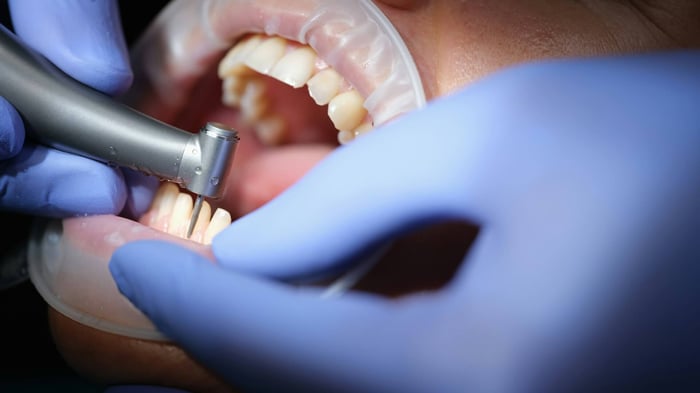
A root canal is a dental procedure that treats infection inside your tooth. The dentist removes damaged or infected pulp—the soft tissue inside the tooth—and cleans the space. After cleaning, the tooth is sealed to protect it from bacteria.
This treatment helps save your natural tooth when a cavity or injury has reached the pulp. Without it, the infection could lead to more serious issues like an abscess or tooth loss. Root canals usually take one or two visits and use local anesthesia to keep you comfortable during the process.
Signs You Might Need Root Canal Treatment
You might need a root canal if you have persistent tooth pain that doesn’t go away, especially pain that worsens when you chew or put pressure on the tooth. Other signs include:
Sensitivity to heat or cold that lasts after the stimulus is gone
Swelling or tenderness in nearby gums
Darkening of the tooth
A small pimple on the gums near the tooth
If you notice any of these symptoms, it’s important to see a dentist quickly. Early treatment can prevent more pain and complications.
Benefits of Root Canal Procedures
Root canal therapy lets you keep your natural tooth, which helps maintain your smile and chewing ability. It relieves pain by removing infection and prevents the spread to other teeth or tissues.
Compared to extraction, a root canal saves you time and helps avoid the need for bridges or implants later. Modern tools make treatment comfortable and efficient. You’ll leave with a healthy, pain-free tooth that looks and works like before.
Identifying Cases That May Require Root Canal Therapy in Carson
Persistent tooth pain can signal specific issues that need careful attention. Understanding how your dentist diagnoses the problem and what conditions usually require root canal therapy helps you know when to seek care. This ensures you get the right treatment for lasting relief.
How Local Dentists Diagnose Persistent Tooth Pain
Your dentist will start by asking about your pain—when it started, how strong it is, and what makes it worse or better. They will examine your tooth and the surrounding area for signs of infection or damage.
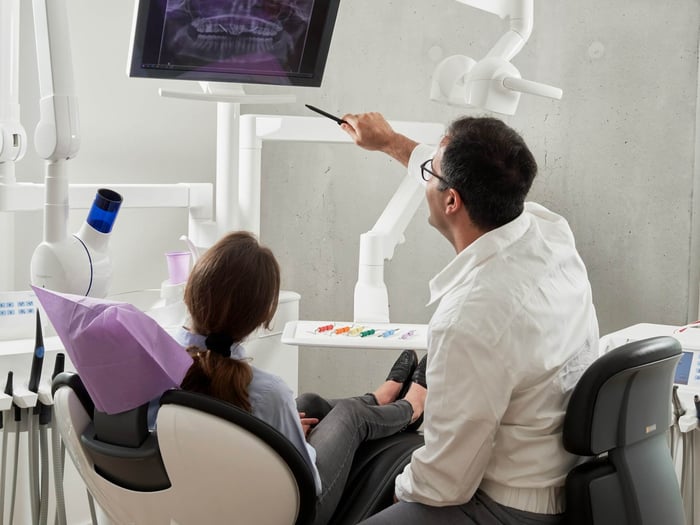
X-rays help the dentist see inside your tooth and check for decay or bone loss around the root. Sometimes, the dentist may perform pulp vitality tests to see if the nerve inside the tooth is alive. These steps help pinpoint the exact cause of your pain.
Specific Conditions Leading to Root Canal in Carson
Root canal therapy is usually needed when the tooth’s inner nerve is inflamed or infected. This can happen because of deep decay, a cracked tooth, or repeated dental work on a tooth.
Severe, persistent pain when chewing or putting pressure on the tooth
Sensitivity to heat or cold that lasts after the stimulus is gone
Swelling or tenderness in nearby gums
Darkening or discoloration of the tooth
If you experience these symptoms, visiting your dentist in Carson quickly can prevent the infection from spreading. Gentle care can make this important treatment comfortable and clear every step of the way.
Treatment Process in Carson Dental Offices
When you visit a dental office in Carson for persistent tooth pain, the staff will guide you through a clear plan. You’ll learn what happens during the root canal, how recovery works, and ways to handle any discomfort after treatment.
Step-by-Step Overview
First, you’ll have an exam to confirm if a root canal is needed. The dentist will take X-rays to see inside your tooth. Next, they’ll numb the area to keep you pain-free.
The dentist removes the damaged nerve and cleans the inside of your tooth during the root canal. After that, your dentist fills the space with a special material to protect the tooth.
Finally, they place a crown or filling to restore your tooth’s shape and strength. The whole process often takes one or two visits, depending on your needs.
Recovery After Root Canal
After your root canal, it’s normal to feel some mild soreness for a few days. Your tooth and the surrounding area might be tender, especially when biting down. You can usually return to normal activities right away, but try to avoid very hard or sticky foods for a little while.
Keeping your mouth clean by brushing gently is important to help with healing. If you have a crown placed, your tooth will feel stable and protected, which helps keep your smile strong.
Pain Management Options
Your dentist will talk with you about managing pain after treatment. Over-the-counter pain relievers like ibuprofen often work well.
If needed, your dentist might give you a prescription for stronger medication, but many find it unnecessary. Applying a cold compress can also reduce swelling and ease discomfort during the first day.
Report any ongoing or severe pain to your dental team. They want to make sure your recovery is smooth and comfortable.
Preventive Tips and Long-Term Care
Taking good care of your teeth now can help reduce ongoing pain and lower the chance you’ll need a root canal. You can protect your smile by learning healthy habits and following your dentist’s advice after treatment.
Oral Health Habits to Avoid Persistent Tooth Pain
To keep tooth pain away, brush your teeth twice a day with fluoride toothpaste. Floss daily to remove food stuck between your teeth. Avoid chewing ice, hard candy, or very sticky foods that can crack or damage your teeth.
Limit sugary snacks and drinks, as sugar feeds bacteria that cause cavities. Wear a mouthguard if you play sports or grind your teeth at night. Regular dental check-ups help catch problems early before pain starts.
If you feel pain or sensitivity, don’t ignore it. Early treatment can prevent more serious issues.
Follow-Up Care After Root Canal
After a root canal, your tooth may feel tender for a few days. Take any prescribed medicine as directed, and avoid chewing on that side until the tooth is fully healed.
Keep your follow-up appointment so the dentist can check the tooth and place a permanent crown or filling if needed. A well-sealed tooth protects against new infections and helps keep pain away.
Good oral hygiene is key to preserving your treated tooth. Brush gently but thoroughly and floss around it carefully. Regular cleanings help your teeth stay healthy for years.
Get Lasting Relief from Tooth Pain with Gentle, Expert Care
Persistent tooth pain is a signal that your tooth needs immediate attention — not a condition to wait out. Root canal therapy can save your natural tooth, relieve discomfort, and prevent the spread of infection that leads to more serious problems.
At Carson Dental Care, our team specializes in comfortable, modern root canal treatments that protect both your smile and your peace of mind. From precise diagnosis to compassionate aftercare, we make every step smooth and reassuring.
If tooth pain is disrupting your days or nights, don’t wait. Reach out to you dentist in Carson today to schedule an evaluation and take the first step toward pain-free living.
Frequently Asked Questions
Persistent tooth pain can mean different things. Knowing the signs, how to manage pain, and what to expect during treatment can help you feel in control and ready to get care.
What are common signs indicating you might need root canal therapy?
You might feel sharp, lingering pain when eating hot or cold foods. Sometimes, your tooth may be very sensitive or swollen. A dark spot or bump on your gums near the painful tooth can also be a sign.
How can you alleviate tooth pain before seeing a dentist?
Rinsing your mouth gently with warm salt water can reduce irritation. Over-the-counter pain medicine may help, but avoid putting aspirin directly on the tooth. Cold compresses can ease swelling on your cheek.
What should you expect during a root canal treatment?
The dentist will numb your tooth to keep you comfortable. They clean out the infected area inside your tooth, then fill and seal it. The whole process usually takes one or two visits.
How do you know if your tooth pain is serious?
If the pain lasts more than a day, gets worse, or affects your ability to eat or sleep, it’s time to see a dentist. Swelling around the tooth or face means you should call for care quickly.
What are the risks of postponing root canal therapy?
Delaying can lead to more pain and the spread of infection. This might cause swelling or an abscess, which can be harder to treat and may lead to losing the tooth.
Can a root canal treatment fail, and what are the options if it does?
Sometimes infection can return, or the tooth may not heal fully. If this happens, you might need another treatment or, in some cases, a dental implant to replace the tooth. Your dentist can guide you through these options.