Wisdom teeth can grow in ways that cause crowding, infection, or pain — but early evaluation helps you avoid these issues before they start. By checking your wisdom teeth in your late teens or early twenties, your dentist can spot concerns while they’re easy to treat.
At Carson Dental Care, we prioritize prevention and gentle care for patients of all ages. Our experienced team uses digital imaging and modern techniques to evaluate wisdom teeth safely and accurately.
Whether your wisdom teeth are emerging or already causing discomfort, we provide personalized guidance to keep your smile healthy and pain-free. This article explains why early wisdom tooth evaluation matters, what problems it helps prevent, and how proactive dental visits can make your future care simpler and more comfortable.
Understanding Wisdom Tooth Development
Knowing how wisdom teeth grow and develop helps you spot possible problems early. It’s important to understand when these teeth usually come in, how they grow, and why some don’t come out properly.
Typical Timeline of Emergence
Wisdom teeth, also called third molars, usually start to appear between the ages of 17 and 25. Some people may see signs of growth a little earlier or later. These teeth are the last to come in and appear at the very back of your mouth.
The timeline matters because waiting too long to check can make problems harder to treat. If your wisdom teeth don’t have enough space or grow at the wrong angle, they might cause pain or crowd other teeth.
Common Growth Patterns
Most wisdom teeth grow in straight and healthy, but many take unusual paths. Some may come in tilted or only partly emerge, which is called “partial eruption.” Others might stay trapped under the gums or jawbone, known as “impacted” wisdom teeth.
You might not feel anything at first, but this can lead to swelling, pain, or infection later. Sometimes, wisdom teeth push against nearby teeth, causing crowding or damage. Watching how your wisdom teeth grow with X-rays can prevent complications and keep your mouth healthy.
Why Impacted Wisdom Teeth Occur
Impacted wisdom teeth happen when there isn’t enough room in your jaw for them to come in fully. This lack of space can block the tooth from emerging, causing it to get stuck. The shape of your jaw, tooth size, and timing all play a role.
Impaction can cause pressure, discomfort, or infection if not treated. Sometimes, pus or cysts develop around the trapped tooth. Early evaluation lets your dental team spot these issues before they become painful or affect other teeth.
Key Reasons for Early Wisdom Tooth Evaluation
Checking your wisdom teeth early helps catch issues before they cause pain or trouble. It lets your dentist spot if your teeth might crowd your smile, get stuck, or lead to infection. Knowing these risks in time means you can avoid more complex issues later.
Identification of Impaction Risks
Wisdom teeth often don’t have enough room to grow properly. When teeth get stuck beneath your gums or jawbone, this is called impaction. Early evaluation lets your dentist see if your wisdom teeth are likely to become impacted.
If they are, your dental team can plan next steps, such as monitoring or removal. Catching impaction early can prevent pain, swelling, or damage to nearby teeth. An early X-ray helps your dentist understand how your wisdom teeth are positioned and if they're causing pressure.
Prevention of Crowding and Misalignment
Your mouth might not have enough space for wisdom teeth, which can push other teeth out of place. This crowding can change your bite or make your smile uneven. Early checks can show if your wisdom teeth might crowd your other teeth.
If crowding looks likely, your dentist can recommend removing wisdom teeth before they cause misalignment. This helps you keep straighter teeth and avoid needing braces or other orthodontic work later. It also protects your overall dental health by keeping teeth properly spaced.
Reducing Chances of Oral Infections
Partially erupted wisdom teeth can trap food and bacteria under the gums. This creates a breeding ground for infection, which can cause redness, pain, or bad breath. An early evaluation lets your dentist spot areas where infection could start.
Removing or treating wisdom teeth before infection develops can save you discomfort. Your dental team uses gentle care and modern tools to prevent these issues early. This kind of prevention helps keep your mouth healthy without more invasive treatments later.
Preventing Infection and Damage to Nearby Teeth
The National Institutes of Health (NIH) reports that partially erupted or impacted wisdom teeth increase the risk of infection and decay in neighboring molars. Food and bacteria often collect around these teeth, leading to gum inflammation (pericoronitis) and cavities.
Early monitoring lets dentists clean and manage these areas effectively before infection or bone loss occurs.
How Early Detection Prevents Serious Problems
Detecting issues with your wisdom teeth early can save you from more difficult treatments later. It helps keep your mouth healthier by stopping problems before they grow worse.
Minimizing Need for Complex Surgery
When your wisdom teeth are checked early, your dentist can handle concerns before they get serious. If a tooth is coming in wrong, small steps can prevent bigger problems.
Catching issues early means simpler removal if needed. Surgery is less complex when teeth have not fully grown or have not caused damage. This can lead to faster healing and less discomfort.
Avoiding Cyst and Tumor Formation
Untreated wisdom teeth can sometimes cause cysts or tumors in the jaw. These are sacs or lumps that grow around the tooth. If caught late, they might need more surgery to remove them. Early check-ups let your dentist spot signs of these problems before they become large.
This prevents damage to nearby teeth and bones. Staying on top of your wisdom teeth health protects your jaw’s strength and keeps you from future pain or complicated treatments by stopping cysts or tumors early.
Long-Term Benefits of Early Intervention
Taking care of your wisdom teeth early can protect your other teeth and help you keep a healthy mouth for years. Addressing problems before they start saves you from more pain, costs, and complicated treatments later.
Protecting Adjacent Teeth
When wisdom teeth come in at the wrong angle, they can press against the teeth next to them. This pressure can cause pain, crowding, and even damage to those teeth. Early evaluation helps your dentist see if your wisdom teeth might push or harm the ones beside them.
Removing or treating them early keeps your other teeth strong and in place. This also helps avoid problems like decay and gum disease around those teeth, since wisdom teeth that are stuck or hard to reach can be tough to clean properly.
Promoting Lifelong Oral Health
Early checks let you avoid big issues like infections or cysts that sometimes form around wisdom teeth. These problems can affect your jawbone and lead to long-term damage if left alone.
By acting early, you lower the chance of needing complex surgeries or treatments later. This keeps your mouth healthier and your dental care simpler over time.
What to Expect During a Wisdom Tooth Evaluation
When you come in for a wisdom tooth check, the dentist will use special tools to see how your teeth are growing and if they might cause trouble. You’ll learn about your options and get care based on what your mouth needs. The process is simple and designed to keep you comfortable.
Diagnostic Imaging and Consultations
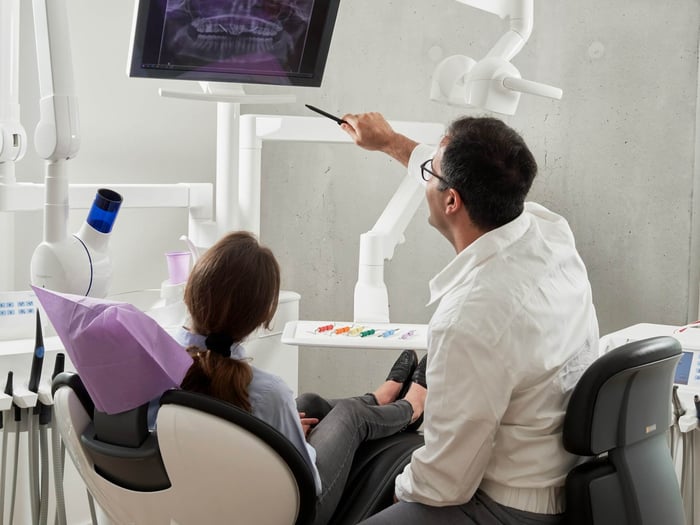
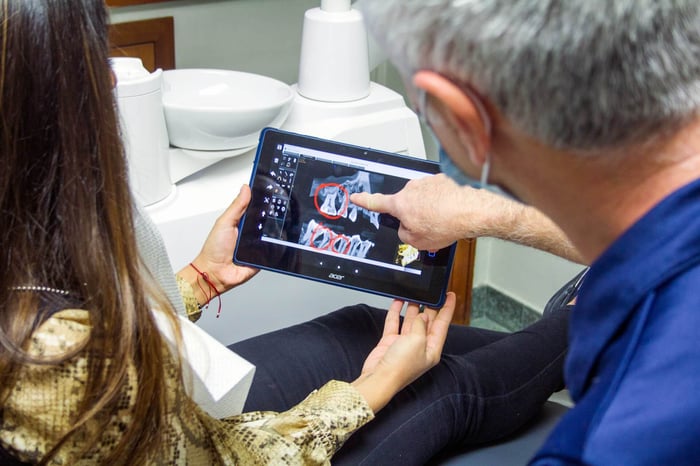
Your visit will most likely include X-rays or other images to show how your wisdom teeth are positioned. These pictures let the dentist spot any issues that aren’t visible during a regular exam. You might hear terms like panoramic X-ray or 3D imaging, which help create a clear view of your jaw.
After the images, the dentist will explain what they see and answer your questions. This is a good time to talk about pain, swelling, or any other concerns. You’ll also discuss whether the teeth need monitoring or removal.
Frequency of Dental Checkups
How often you need wisdom tooth evaluations depends on your age and the condition of your teeth. Teens and young adults usually visit every six months or as advised by their dentist. Regular checkups help spot problems early before they cause pain or infection.
If your wisdom teeth look healthy and don’t cause issues, your dentist might recommend watching them over time. But if signs of trouble appear, you may need more frequent visits. These checkups help keep your mouth healthy and avoid bigger problems later.
Early Wisdom Tooth Care Builds a Healthier Future
Taking time to evaluate your wisdom teeth early can prevent pain, infections, and costly treatments later on. It’s a simple step that makes a lasting difference in your dental health and overall comfort.
At Carson Dental Care, we combine modern technology with gentle, preventive care to make your wisdom tooth evaluation smooth and stress-free. Our team looks beyond immediate symptoms to protect your smile’s long-term health and balance.
Early planning today helps you avoid discomfort tomorrow — and keeps your mouth in top shape for years to come.
If your wisdom teeth haven’t been checked recently, now is the best time. Schedule your evaluation and take the first step toward a healthier, pain-free smile.
Frequently Asked Questions
Understanding your wisdom teeth can help you avoid pain, infections, and other problems. Knowing when to check and what to expect makes it easier to plan and take care of your smile.
What issues might arise if wisdom teeth become impacted?
Impacted wisdom teeth can cause pain and swelling. They might push against other teeth, causing crowding or damage. You could also face infections or cysts near the impacted tooth, which may harm your jawbone.
At what age is it best to consider wisdom teeth evaluation?
Most people should have their wisdom teeth checked between the ages of 16 and 20. At this time, dentists can see how the teeth are coming in and spot any problems early. Early evaluation helps you avoid bigger issues later on.
How can removing wisdom teeth early help in preventing future dental problems?
Removing wisdom teeth early can stop pain and infection before they start. It can also prevent damage to nearby teeth. Early removal usually means the procedure is easier and healing is faster.
Are there any benefits to keeping your wisdom teeth?
If your wisdom teeth grow in straight and don’t cause problems, you might keep them. Healthy wisdom teeth can help with chewing. Your dentist will check if keeping them is safe and smart for your mouth.
What does a wisdom tooth evaluation entail?
During the evaluation, your dentist will take X-rays and look inside your mouth. They check how the wisdom teeth are positioned and if they will cause problems. You will get clear information about what to expect and the next steps.
How can wisdom teeth affect overall oral health?
Wisdom teeth are hard to clean because of their position. This can cause cavities and gum disease. Removing problematic wisdom teeth protects your whole mouth from infection and pain.