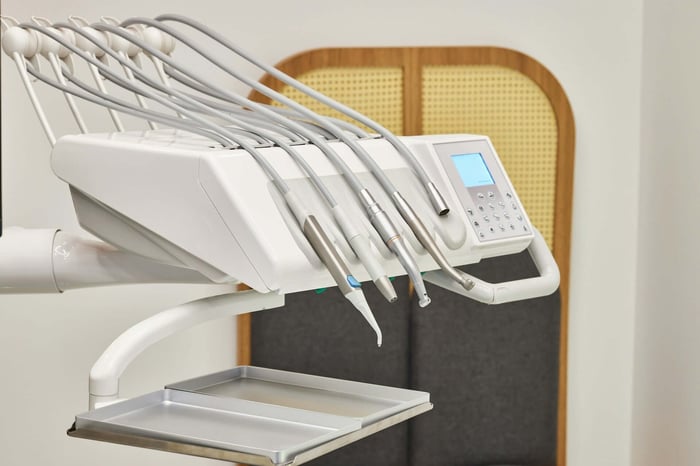
How gentle root canal techniques reduce discomfort is something many patients want to understand before treatment. Today’s approach focuses on minimizing pain, using precise tools, and creating a more relaxed experience from start to finish.
At Care Dental Center, patients are supported with a calm, step-by-step approach that prioritizes comfort and clear communication. Each part of the process is explained so you feel informed and at ease during your visit.
In this guide, you’ll learn how modern root canal techniques work, what makes them gentler, and how they improve recovery. You’ll also discover how to choose a provider who focuses on comfort and patient-centered care.
Understanding Gentle Root Canal Techniques
Gentle root canal methods aim to make things less painful and more manageable. They use modern tools, new pain control options, and careful steps to keep your comfort front and center.
Modern Methods Used in Root Canal Therapy
Today’s root canals rely on precision and less invasive techniques. Dentists use smaller, flexible instruments that reach the infected area without harming healthy tooth parts. That means less pressure and less discomfort.
Digital imaging lets the dentist see inside your tooth clearly. This view cuts out guesswork and makes the procedure quicker and safer. These methods help make root canals smoother and a lot less stressful.
Innovative Tools for Minimizing Pain
Special tools like rotary instruments and ultrasonic devices make root canal treatment more comfortable. Rotary tools gently clean the canals at controlled speeds, reducing irritation.
Ultrasonic devices use vibrations to remove debris safely and gently. They work quietly and slowly, easing any discomfort you might feel. Together, these tools lower pain during and after the treatment, so you heal faster.
Role of Advanced Anesthetics
Advanced anesthetics play a huge role in keeping pain away. Newer options work faster and last longer than older numbing methods. Sometimes, numbing gels go on before injections to reduce the sting.
Some anesthetics block pain but don’t leave you numb for hours. Your mouth can feel normal sooner after the treatment. These choices help you stay calm and comfortable while the root canal gets done.
How Modern Anesthesia Improves Patient Comfort
Pain control is a key part of making root canal treatment more comfortable. According to the Cleveland Clinic, modern anesthetics are designed to work quickly and provide reliable numbing throughout the procedure.
This allows patients to remain comfortable without unnecessary discomfort. In addition, newer techniques help reduce the stress often associated with dental injections.
Using topical numbing agents and controlled delivery methods can make anesthesia feel much less noticeable. This contributes to a calmer, more relaxed experience overall.
How Gentle Techniques Lessen Discomfort
Using gentle methods during a root canal reduces pain and speeds up healing. These techniques protect soft tissues, clean the canals carefully, and lower sensitivity after treatment.
Minimizing Tissue Irritation During Treatment
Gentle root canal care means handling the soft tissues around the tooth with care. Dentists use smaller, flexible tools that cause less damage to gums and nearby areas. This helps keep swelling and soreness down during and after the procedure.
Modern tools keep treatment smooth and comfortable. Using precise equipment means less pressure and less risk of hurting nearby tissues. Your gums stay healthier, and you feel less pain through the process.
Efficient Cleaning and Shaping of Canals
Removing infected material matters, but it needs a gentle touch. Advanced files bend easily to clean and shape the canals without scraping too hard. This avoids unnecessary damage inside the tooth.
Cleaning happens with steady, controlled motions. That way, bacteria get removed while the tooth structure stays safe. This balance makes the experience easier and less painful for you.
Reduced Post-Procedure Sensitivity
After a root canal, gentle care means less sensitivity around the tooth. Because the tissues get treated gently and cleaning is thorough, healing is faster and less painful.
Dentists might use soothing solutions to calm the area and reduce inflammation. These steps lower the chance of pain in the days after your visit. You can expect a smoother recovery and get back to normal activities sooner.
Patient-Centered Care and Comfort Measures
Root canal treatments now focus on your comfort with methods tailored to your needs. The goal is to keep each step gentle, so you feel cared for and know what’s going on.
Personalized Numbing Approaches
You’ll get numbing techniques that match your comfort level and how your body reacts. Instead of a one-size-fits-all approach, the team adjusts the type and amount of anesthesia to keep you pain-free but not overwhelmed.
This might include topical gels before injections to ease needle discomfort. If you’re anxious or sensitive, slow injection methods help calm nerves. The team checks how numb you are before starting to make sure you won’t feel pain.
Gentle Patient Handling Techniques
During your root canal, the staff uses soft, steady pressure instead of force. They move slowly and explain what they’re doing so you can stay relaxed.
If you ever need a break or feel uncomfortable, just ask. Tools get picked to cause the least pressure and vibration. You’ll also get support like pillows or neck rests to keep your head and jaw stable but comfy during treatment.
Comfort-Enhancing Environment
Waiting and treatment rooms are set up to help you feel calm and safe. Soothing colors, soft lighting, and quiet music work together to ease nerves.
Blankets and headphones are there if you want them. The team listens to your preferences, making changes to noise, lighting, or seating to help you feel at ease before and during care.
Benefits Beyond Immediate Comfort
Gentle root canal techniques do more than ease pain during the procedure. They help your mouth heal faster, lower the risk of problems, and support your long-term dental health. All of this just makes the whole experience better.
How Gentle Root Canal Techniques Support Recovery
Benefit | What It Means | Patient Impact |
Reduced Inflammation | Less irritation to tissues | Less swelling and soreness |
Faster Healing | Minimal trauma during treatment | Quicker return to normal |
Lower Risk | Cleaner, more precise procedures | Fewer complications |
Better Comfort | Improved pain control | Easier overall experience |
Long-Term Health | Preserved tooth structure | Stronger, lasting results |
Faster Recovery Times
Gentle root canal methods usually help your mouth recover faster. Less irritation means less swelling and soreness. You can get back to normal eating and chewing sooner.
Careful handling of the tissues around your tooth reduces trauma to your gums and bone. Modern tools keep the procedure smooth and precise, cutting down healing time. A quicker recovery means less discomfort and a faster return to your usual routine.
Lower Risk of Complications
Gentle root canal work lowers the risk of complications like infection or inflammation. Careful cleaning and shaping of the root reduces the chance of bacteria sticking around.
Modern, soft-touch tools protect sensitive areas inside your tooth. That helps prevent cracks or damage that could cause future problems. The gentle approach limits trauma, which keeps swelling and infection at bay.
Positive Long-Term Oral Health Impact
Choosing gentle root canal care supports your teeth and gums long after the procedure. When your mouth heals well, your tooth stays healthier and lasts longer. Proper root canal treatment stops infection and prevents bone loss around the tooth.
Gentle methods mean less irritation, so you’re less likely to have gum issues down the road.
Taking a caring approach helps you feel more confident about coming back for regular dental visits. Healthy gums and teeth really start with treatment that respects your comfort and well-being.
Choosing a Dentist for Gentle Root Canal Treatment
Picking the right dentist makes a huge difference for your comfort during a root canal. You want someone who uses gentle techniques and takes time to explain things. It matters that your provider listens and tailors care to your needs.
Key Qualities to Look For
Look for a dentist who focuses on gentle, patient-first care. They should use modern tools that reduce pain and help you heal faster. Experience with root canals is important—a skilled dentist works carefully to avoid unnecessary discomfort.
See if the office feels welcoming and supportive. Friendly staff who answer your questions can help ease your worries. Flexible scheduling and emergency options show they put your comfort first.
Certifications and ongoing training show your dentist keeps up with the latest gentle treatment methods. A dedicated team will always offer kind, clear communication and gentle care.
Questions to Ask Your Provider
Before treatment, ask about the tools and techniques they use to reduce pain. Some good questions:
How do you make root canal treatment comfortable?
What steps do you take to support anxious patients?
Will you explain each part of the process?
Also, ask about options for pain control during and after the procedure. Find out about follow-up care and how emergencies are handled. Knowing these details helps you feel more confident and safe throughout your root canal experience.
A More Comfortable Approach To Root Canal Care
Understanding how gentle root canal techniques reduce discomfort can help ease concerns about treatment. With modern tools, precise methods, and a focus on patient comfort, root canals are now far more manageable than many people expect.
At Care Dental Center, every step is designed to support your comfort while protecting your long-term oral health. From personalized care to clear communication, the experience is built to help you feel calm and confident.
If you’ve been putting off treatment, now is the time to take action. Schedule your consultation today and experience a more comfortable, stress-free approach to root canal care.
Frequently Asked Questions
Are modern root canals still painful?
Modern root canals are designed to be much more comfortable than in the past. Advanced anesthetics and gentle techniques reduce pain significantly. Most patients feel little to no discomfort during the procedure.
How long does it take to recover from a root canal?
Recovery usually takes a few days, with mild sensitivity that gradually improves. Most people can return to normal activities quickly. Following aftercare instructions helps speed up healing.
What makes a root canal “gentle”?
A gentle root canal uses precise tools, modern imaging, and careful techniques. These reduce pressure, protect surrounding tissues, and improve comfort. The focus is on minimizing discomfort at every step.
Will I be numb for hours after the procedure?
Some numbness may last for a few hours, depending on the anesthetic used. However, newer options may wear off more quickly. Your dentist will explain what to expect.
Can I avoid a root canal if I’m nervous?
Avoiding treatment can lead to more serious dental problems. Gentle techniques are designed to make the process easier and less stressful. Talking to your dentist about concerns can help you feel more comfortable.