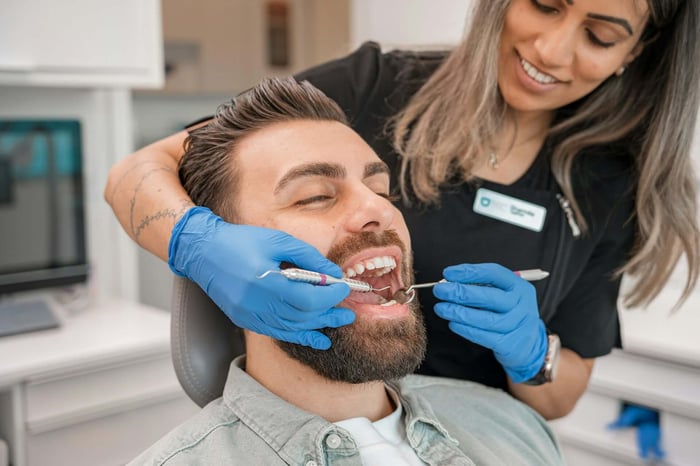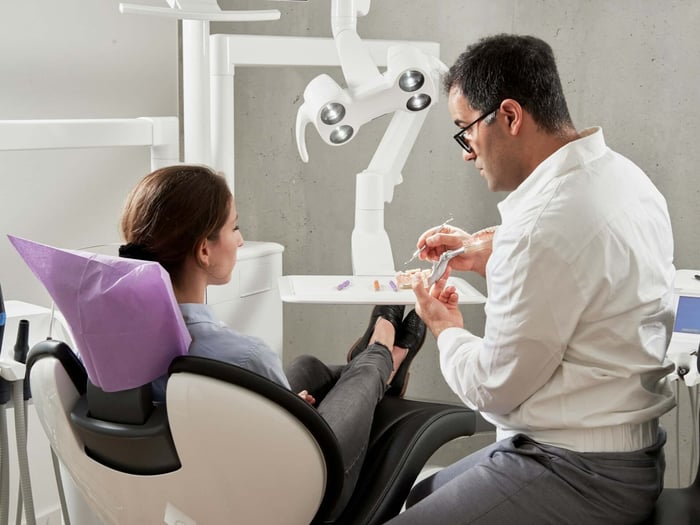
Sedation dentistry uses medication to help patients stay calm and comfortable during dental treatment. You're usually still awake — just relaxed enough that the sounds, sensations, and anxiety that normally make dental care hard to sit through stop feeling like a problem.
If you've been putting off a dental visit because the idea of sitting in the chair makes your shoulders tense up, you're not alone. You feel the ceiling when you open your mouth. You notice every sound the instruments make. By the time the appointment is over, you're more exhausted than when you arrived.
At Care Dental Center in Carson, people ask about sedation every week. The team sees plenty of folks who need a little extra support before they feel ready to schedule treatment.
Key Takeaways
- Sedation dentistry helps you stay calm and comfortable during dental care, but you're usually still awake.
- Nitrous oxide and oral sedation are the most common options at a family dentist, and they work for a wide range of people.
- Sharing your concerns with your dental team is the first step toward finding the right support.
What Sedation Dentistry Does During a Dental Visit
Sedation slows your nervous system just enough to take the edge off anxiety and tension. It usually won't knock you out. Most people stay awake and aware, but feel genuinely relaxed — sometimes even pleasantly drowsy — and much less bothered by the usual sounds or sensations.
The ADA's guidelines show that dental sedation can be given in several ways and adjusted based on your needs and the procedure.
How Sedation Helps You Stay Calm but Not Usually Asleep
Most dental sedation falls into the "conscious" category. You'll stay responsive and can answer questions or follow directions. The difference is that your mind isn't racing and your body feels at ease.
Some people get a little sleepy. Others just notice that the usual anxiety isn't there. It really depends on the type and amount of medication.
How Sedation and Numbing Medicine Work Together
Sedation isn't the same as numbing. It calms your nerves and helps with anxiety, but it doesn't block pain. That's where local anesthesia — the numbing shot — comes in.
Think of sedation as helping your mind and emotions, while numbing medicine handles the physical discomfort. Together, they make dental visits much more manageable for anyone who struggles with fear or sensitivity.
Levels of Dental Sedation Explained
There are four levels, but most routine visits only use the lightest two.
| Level | What It Feels Like | Still Conscious? |
|---|---|---|
| Minimal sedation | Relaxed, calm, totally aware | Yes |
| Moderate sedation | Drowsy, may not remember much | Yes, responsive |
| Deep sedation | Very groggy, tough to wake | Partially |
| General anesthesia | Fully unconscious | No |
Minimal and moderate sedation are the most common in a family dental office. Deep sedation and general anesthesia usually come into play for bigger surgeries and require more specialized care.
Who Benefits Most From Sedation Dentistry
Sedation dentistry isn't just for people with severe dental phobia. It's a practical option for anyone whose body or mind makes dental care tough, even if they're not especially afraid.
Dental Fear, Past Bad Experiences, and Trouble Relaxing
If you tense up as soon as you sit in the chair, or if a bad experience years ago still keeps you from booking, sedation can help you reset. Dental anxiety runs on a spectrum. You don't have to be panicked to benefit.
Plenty of people feel embarrassed about their fear, but it's extremely common. Sedation makes it possible to get care without fighting your own nerves the entire time.
Sensitive Gag Reflex, Sensitive Teeth, and Low Pain Tolerance
A strong gag reflex can make even simple things like X-rays or impressions really uncomfortable. Sedation can tone down that reflex, making procedures easier to get through.
If you have sensitive teeth or a low pain threshold, sedation often makes a big difference. Even when you're numbed, some people stay tense, waiting for discomfort. Sedation helps you stay relaxed, even if you're usually on edge.
If you've skipped restorative dental care in Carson because your teeth are just too sensitive during treatment, it's worth a conversation with your dentist.
Longer Appointments and More Complex Treatment
Sitting still for a long procedure is tough, even if you're not anxious. Sedation makes longer appointments feel shorter and less draining.
If you need several treatments at once, sedation can let your dentist finish more in one visit, so you don't have to come back as often.
Types of Dental Sedation Used in a Family Dental Office
Most family dental offices use nitrous oxide or oral sedation. Both are safe, proven, and can be adjusted based on how you respond.
Nitrous Oxide (Laughing Gas) for Light Relaxation
Nitrous oxide, or laughing gas, is inhaled through a small mask over your nose. It works in a few minutes and brings on a feeling of warmth, lightness, and calm. You'll probably feel relaxed but awake. Some people get a little giggly — hence the nickname.
The effects wear off quickly once the mask comes off and you breathe regular air. Many people can drive themselves home after nitrous oxide, but your dentist will let you know for sure. It's also a good option for kids who feel nervous and a gentle introduction for anyone new to family dental care in Carson.
Oral Sedation: How the Pill Works Before Your Appointment
Oral sedation means taking a prescription pill, usually about an hour before your visit. Common medications for this include diazepam, lorazepam, and midazolam — these are benzodiazepines, which help quiet the part of your brain that handles anxiety.
By the time you arrive, you'll feel pretty drowsy and deeply relaxed. You'll stay conscious and can communicate, but you might not remember much about the appointment.
Because oral sedation lasts several hours, you'll need someone you trust to drive you home. Plan to take it easy for the rest of the day.
How Your Dentist Chooses the Right Sedation Plan
Your dental team will look at your health history, current medications, anxiety level, and the procedure before recommending sedation. There's no one-size-fits-all answer.
They'll consider:
- How anxious you feel about dental care
- Any allergies or sensitivities to medications
- Past experiences with sedation
- How long and involved your treatment will be
- Your overall health and any conditions that might affect sedation
The aim is to find just enough sedation to keep you comfortable, not to overdo it.
What to Expect During a Sedation Dentistry Appointment
Knowing what's coming at each step makes a real difference. Uncertainty often makes anxiety worse, so a clear picture helps.
Before the Appointment: Instructions and Preparation
If you're using oral sedation, your dentist will give you clear instructions about when to take your medication and whether you should eat or drink beforehand. Following these instructions matters for your safety and comfort.
General guidelines for anesthesia or sedation often include fasting, which medications to avoid, and making sure you have a ride home. Your dental team will go over all this with you at your consultation and again before your appointment.
Set up your ride in advance and keep your day open.
What You May Feel During Treatment
With minimal sedation, you'll probably feel calm and relaxed. Office noises may seem softer. You'll know what's going on, but it won't bother you the way it might otherwise.
With oral sedation, you might feel pretty drowsy and not very aware of time passing. The whole thing can feel much shorter than it really is. Some people remember very little afterward.
You may feel the dentist working, but local anesthesia should stop any sharp pain. If you're uncomfortable, just raise your hand — the team will check in with you. You'll still be able to communicate, even with sedation.
Sedation Recovery and Going Home
After nitrous oxide, recovery is quick. You'll sit for a few minutes, and most people feel back to normal soon after.
With oral sedation, expect to feel groggy for several hours. Don't drive, use machinery, or make big decisions for the rest of the day. Once you're home, eat something light, stay hydrated, and rest.
Some people get mild nausea or feel sleepy for a while. These effects pass. If anything feels off the next day, just call your dental team.
Is Sedation Dentistry Safe? Side Effects and What to Know
When a trained dental team handles it and screens you properly, the risk for minimal and moderate sedation stays very low.
How Screening and Monitoring Keep You Safe
Before using sedation, your dental team will go over your health history. Some conditions or medications can affect how your body handles sedation. This screening isn't optional — it's essential.
During the appointment, the team monitors your vital signs, including heart rate, oxygen, and blood pressure. That way, they can act quickly if anything changes.
Common Side Effects of Dental Sedation
Most side effects from minimal and moderate sedation are mild:
- Drowsiness for a few hours after your visit
- Mild nausea, more common with oral sedation
- Occasional headache
- Dry mouth during or after treatment
- Patchy memory of the appointment
These usually fade on their own. Drinking water and resting help you bounce back.
When IV Sedation or General Anesthesia May Be Needed
IV sedation sends medication straight into your bloodstream through a small needle. It works faster than oral sedation and can be adjusted more precisely during the procedure.
General anesthesia puts you completely under. Dentists use it mainly for bigger surgeries or for patients who just can't tolerate treatment any other way, including some kids or people with complex needs.
Both require extra training and certifications. Dentists only recommend them when other options aren't enough. If needed, reversal agents can be used for certain medications in emergencies.
Sedation Dentistry Cost, Insurance, and Practical Questions
Sedation dentistry adds to the cost, but for many people, it's the only way they can get the care they need. Sometimes, the real value is that it lets you finally get treatment you've been putting off.
What Affects the Cost of Sedation Dentistry
The price depends on several things: the type of sedation you choose, how long your appointment lasts, and whether sedation is billed separately or bundled with your procedure.
Nitrous oxide is generally the most affordable. Oral sedation is a bit more. IV sedation and general anesthesia cost much more and aren't usually offered in a standard family dental office.
Dental insurance rarely covers sedation for routine care, but might help if it's medically necessary. If you're worried about cost, ask about dental financing and payment plans in Carson before your visit.
Can You Drive or Work After Dental Sedation?
After nitrous oxide, most people can drive and get back to light activities the same day. Still, double-check with your dental team, since everyone's situation is a bit different.
If you've had oral sedation, you can't drive for the rest of the day. Most adults should plan to take the afternoon off.
Kids shouldn't head back to school until the sedation has fully worn off, which usually happens by the next morning.
If you've had IV sedation, you'll need an adult to stay with you for a while. Take the whole day to rest.
When to Ask Your Dentist About Sedation
If fear has kept you away from the dentist, you don't have to wait until things get unbearable before asking. It's a reasonable topic to bring up at any visit — even a routine checkup.
People with a strong gag reflex, low pain tolerance, or a history of tough dental appointments should mention it early. If you have a procedure coming up and you're anxious, let your dental team know before the day of your appointment.
Frequently Asked Questions About Sedation Dentistry
Is Sedation Dentistry Covered by Dental Insurance, and What Costs Should I Plan for?
Dental insurance usually doesn't cover sedation for routine care. Sometimes, if sedation is medically necessary, insurance might help with the cost.
Nitrous oxide tends to be the least expensive option. If you're worried about the bill, ask about payment plans so finances don't get in the way of your care.
Is Dental Sedation Safe for Adults and Children, and Who Should Avoid It?
When dentists properly screen and monitor patients, sedation is generally safe for healthy adults and children. Some people with certain health conditions, breathing problems, or medication sensitivities need a closer look before moving forward.
Your dental team will review your health history in detail before recommending sedation.
What Is the Difference Between Nitrous Oxide, Oral Sedation, and IV Sedation?
Nitrous oxide is inhaled through a small mask, works quickly, and fades fast. Oral sedation comes as a pill you take before your visit, making you feel more drowsy for several hours.
IV sedation goes straight into your bloodstream and lets the dentist adjust the level in real time. Each type fits a different level of anxiety and a different kind of procedure.
How Long Does Dental Sedation Take To Start Working, and How Long Do the Effects Last?
Nitrous oxide starts working in two to five minutes and wears off soon after the mask comes off.
Oral sedation is taken about an hour before your visit, and its effects can last four to six hours, sometimes longer.
IV sedation acts within seconds and is closely managed throughout your appointment.
What Medications Are Commonly Used for IV Sedation During Dental Treatment?
Dentists often use medications like midazolam, propofol, or ketamine for IV sedation, depending on how deep the sedation needs to be.
They choose the medication based on your health and the type of procedure planned. If needed, reversal agents such as flumazenil are available for emergencies.
What Should I Expect Before, During, and After an IV Sedation Appointment?
Before your appointment, you'll get instructions about fasting, which medications to skip, and arranging a ride home.
During the visit, the team will keep a close eye on you, and you'll probably feel very drowsy or not really aware of time passing.
Afterward, you'll need a trusted adult to drive you home. Plan to rest for the rest of the day before jumping back into regular activities.
If anxiety or a rough past experience has kept you away, sedation dentistry can help you move forward — not just push through. The American Dental Association's guidance on dental sedation and anesthesia makes clear that working with your dental team to choose the right method is what makes the experience safer and more comfortable.
That first step can be as simple as a phone call. When you're ready, Care Dental Center is here to walk you through your options. Call (310) 626-0004 or request an appointment online. Evening and Saturday times are open, and flexible payment options are available if you need them.