You wake up, spot a little chip on your front tooth, and suddenly it's all you can see in the mirror. Or maybe you've had a gap for years, and you're just tired of hiding it. But jumping into a big dental procedure? Not really appealing. Dental bonding might be the low-key fix you need.
At Care Dental Center in Carson, you'll find a team who actually listens. They'll talk through what's bugging you about your teeth, then help you sort out your options—without pushing you toward something you don't want or can't afford.
Here's what to expect from dental bonding, how it stacks up against veneers, and what you can do to keep your new smile looking sharp.
Key Takeaways
- Dental bonding offers a quick, budget-friendly way to fix chips, gaps, or stains—usually in one visit.
- The dentist matches the bonding material to your teeth and shapes it right there in the chair.
- With decent daily care and regular checkups, bonded teeth can look good for years.
What Dental Bonding Can Fix
Dental bonding covers more issues than most people realize. It can tackle everything from a chipped tooth to stubborn stains, all without grinding down healthy enamel.
Chipped Teeth, Small Gaps, and Tooth Discoloration
Dentists often use bonding to repair chips on front teeth. Instead of needing a crown for a small chip, they can rebuild it with composite resin in less than an hour.
Got a small gap? If braces aren't your thing, bonding visually closes the space—no tooth movement needed. Because the resin matches your natural teeth, the fix blends right in.
Some stains just won't budge, no matter how much you whiten. If you've got dark spots from old antibiotics or injuries, bonding can mask them with a thin layer of resin. Whitening strips can't touch these types of stains, but bonding usually can.
Filling Cavities or Fixing Decayed Teeth
Dentists also use bonding for more than just looks. They fill cavities and fix decayed teeth with tooth-colored composite resin, especially where it shows when you smile.
Here's how it goes: your dentist removes the decay, preps the tooth, and bonds the resin right on. The filled spot matches your tooth color—no more obvious silver fillings.
If you've got a small cavity and a cosmetic issue on the same tooth, bonding can handle both at once.
Reshaping Teeth
Sometimes, a tooth just looks off. Maybe it's too short, too pointy, or uneven. Dentists use bonding to build up or reshape these teeth, so they fit in better with the rest.
Even a tiny change can make your whole smile look more balanced. Patients are often surprised at the difference a little resin can make.
Bonding can also cover exposed roots if your gums have receded. If you're not sure whether your concern is cosmetic or functional, it's worth asking your dentist.
What Happens During the Appointment
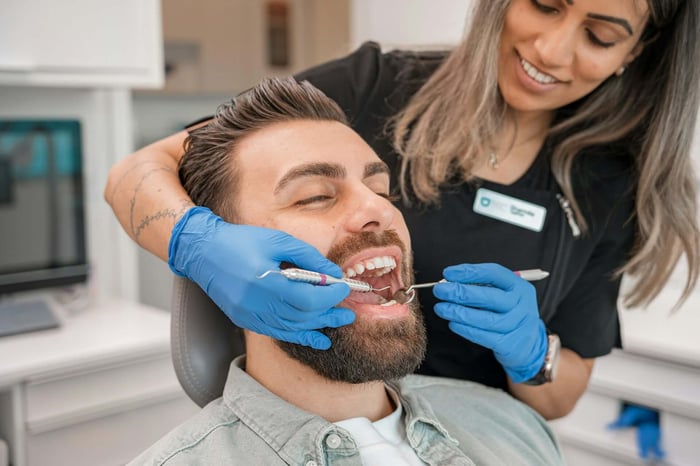
Dental bonding appointments are usually simple and quick. No messy molds, no waiting for a dental lab, and most of the time, no shots.
Shade Selection and Tooth Prep
First, your dentist picks out a resin shade that matches your teeth. They'll hold a color guide next to your enamel and choose the closest one. It only takes a minute or two, but it makes a big difference.
To prep the tooth, the dentist gently roughens the surface and paints on a conditioning liquid. This helps the resin stick. Unlike veneers, bonding usually doesn't require removing enamel.
If you're just getting cosmetic bonding, you probably won't need to be numbed. If there's decay to remove, then a local anesthetic keeps things comfortable.
Applying Resin, Curing, and Polishing
Once the tooth's ready, the dentist applies the resin in layers. It starts soft, kind of like putty, so they can shape it right on your tooth.
Here's the step-by-step:
- The dentist puts the resin on your tooth.
- They shape and sculpt it to fit your bite and match your other teeth.
- A curing light hardens each layer—this takes about 30 to 60 seconds per layer.
- After building up the shape, the dentist trims the edges.
- Finally, they polish the surface until it's smooth and shiny.
One tooth usually takes 30 to 60 minutes. If you're bonding several teeth, just expect a longer appointment.
What the Visit Feels Like
You might notice a little vibration when the dentist preps your tooth, but it's quick. The curing light gets warm, but not hot.
Some folks feel a bit of sensitivity afterward, especially if the tooth was already sensitive. That usually fades in a day or two. You can eat and drink right after your visit.
Right away, most people notice how natural the result looks. Since the dentist sculpts the resin directly on your tooth, they can tweak the shape and bite until it feels just right.
Bonding vs Veneers: Cost and Longevity
Bonding and veneers both improve your smile, but they're pretty different in how they work and what they cost. Knowing the differences can help you decide what fits your goals and budget.
Dental Bonding vs Dental Veneers
Veneers are porcelain shells made in a lab, then cemented to the front of your teeth. They're tough, resist stains, and look very realistic.
| Feature | Dental Bonding | Porcelain Veneers |
|---|---|---|
| Material | Composite resin | Porcelain |
| Visits needed | One | Two or more |
| Enamel removal | Minimal to none | Some required |
| Stain resistance | Moderate | High |
| Lifespan | 3 to 10 years | 10 to 20 years |
| Cost per tooth | Lower | Higher |
| Reversibility | Mostly reversible | Permanent |
With veneers, the dentist needs to remove some enamel, so it's a permanent change. Bonding usually leaves your tooth mostly untouched, so you're not locked in forever.
If you're not sure what's right for you, a consultation with Dr. Barkhordar—trained at USC and Harvard—can help you sort out what fits your teeth and your goals.
How Long Does Dental Bonding Last?
Bonded teeth can last anywhere from 3 to 10 years before you need a touch-up or replacement. The exact lifespan depends on where the bonding is and how you treat it.
Bonding on a front tooth that doesn't do much chewing often lasts longer than bonding on a back tooth. Habits like biting your nails, chewing ice, or crunching hard foods can chip the resin faster. Keeping up with good oral hygiene makes a difference, too.
If bonding chips or stains, your dentist can usually fix it quickly—no need to redo the whole thing.
When Bonding Makes Sense as a First Step
Bonding costs less per tooth than veneers. If you're looking into cosmetic dentistry in Carson but aren't ready for veneers, bonding is a good way to try out a new look.
You can see how the change feels before making a bigger commitment. Some people stick with just one or two teeth. Others use bonding as a temporary fix while they save up for more permanent work.
Financing is available, so you don't have to put off your smile goals if cost is a concern. Chatting with your dentist about your options can help you find a plan that works for you.
Caring for Bonded Teeth
A few daily habits make a real difference with bonded teeth. The resin is strong, but not as hard as enamel, so it needs a little extra attention.
Daily Habits for Bonded Teeth
Brush twice a day with a soft-bristle toothbrush and fluoride toothpaste. Skip the abrasive whitening pastes—they can scratch the resin and dull the shine.
Try not to bite straight into hard foods with bonded teeth. Apples, crusty bread, and hard candies can put too much pressure on the edge of the resin. Cut these foods into pieces, especially right after your appointment.
Coffee, red wine, and tea can stain resin more easily than natural enamel. Rinsing with water after drinking these helps keep the color looking good.
Why Regular Check-Ups Matter
Seeing your dentist regularly lets them spot small issues with bonding before they turn into bigger problems. At each checkup, they'll look for chips, wear, or changes in your bite. Routine professional care is key for keeping your teeth healthy.
If the bonding shifts or your bite feels off, your dentist can usually adjust it during the same visit. Waiting too long can mean a bigger fix later.
Professional cleanings help, too. Resin can pick up stains near the edges that brushing at home can't always remove.
When to Call the Dentist
If your bite feels weird after bonding, give your dentist a call. A quick adjustment can usually fix it, and it only takes a few minutes.
If you chip the bonded area, don't try to smooth it yourself. Dentists have special tools and lights to repair resin properly. Leaving a rough edge can also make it stain faster.
If you notice sharp sensitivity that doesn't go away after a week, let your dentist know. It's not always a big deal, but it's worth mentioning.
Frequently Asked Questions
How Much Does Dental Bonding Cost for One Tooth?
Dental bonding for one tooth usually costs between $300 and $600, depending on how much work is needed. Cosmetic bonding isn't always covered by insurance, but if you're fixing decay, you might get some coverage. Financing can help if you're treating several teeth.
How Long Does Dental Bonding Last Before It Needs Repair or Replacement?
Most bonding lasts 3 to 10 years, depending on where it is and how you care for it. Teeth that do more biting wear down sooner. Regular checkups help your dentist catch problems early, so repairs are easier.
Will Dental Bonding Damage My Tooth?
Dental bonding doesn't usually weaken your tooth. The dentist only roughens the surface a little, and doesn't remove much enamel. It's one of the most conservative cosmetic treatments out there.
What's the Difference Between Bonding and Veneers for Chips or Gaps?
Bonding uses composite resin applied right to your tooth in a single visit. Veneers are porcelain shells that take at least two visits and require removing some enamel. Veneers last longer and resist stains better, but they're more expensive and permanent. Bonding works well for smaller issues or if you want to try something less permanent first.
How Long Does a Dental Bonding Appointment Take?
One tooth usually takes 30 to 60 minutes. If you're bonding several teeth, expect a longer appointment—but most cases with two or three teeth still finish in one visit. You won't need any downtime afterward.
Is Dental Bonding Covered by Dental Insurance, and When Is It Considered Cosmetic?
Coverage depends on why you're getting bonding. If it's to fix a cavity or repair a tooth after an injury, many insurance plans will help with the cost. If you're only doing it for looks, it's usually considered cosmetic and not covered. Your dental team can walk you through your plan before you start treatment.
A Confident Smile Is Closer Than You Think
Dental bonding works well for people who want to fix a chipped tooth, close a small gap, or brighten up a tooth that's lost its shine. The process is quick and gentle, and your tooth ends up looking natural.
If you take care of your teeth, bonding can last for years. Some folks put off these fixes because they worry about the process or the cost, but bonding is often simpler than you'd think.
Financing options can make it more manageable, too. A consultation helps you see if bonding, veneers, or something else fits your needs.Call Care Dental Center at (310) 626-0004 or request an appointment online to see which cosmetic dental treatment fits your smile and your budget.