How to prepare for an emergency dentist visit is something most people don’t think about until the moment arrives. Dental emergencies can happen suddenly, and knowing what to do ahead of time can make the experience much less stressful.
At Care Dental Center, patients are guided through urgent dental situations with calm, clear instructions and supportive care. The goal is to help you feel confident, even when something unexpected happens.
In this guide, you’ll learn when to seek emergency care, what steps to take before leaving home, and what to bring with you. You’ll also understand what happens during the visit and how to recover afterward.
Signs You Should Seek Same-Day Care
Some dental issues just can't wait. If you notice any of these, don't wait and hope it feels better tomorrow:
A knocked-out permanent tooth
A cracked or broken tooth with sharp pain
Uncontrolled bleeding in the mouth
Facial swelling that keeps getting worse
A dental infection with pus, fever, or trouble swallowing
Severe tooth pain that won't go away with regular painkillers
A loose tooth from an accident or injury
Wisdom tooth pain with swelling or signs of infection
If you act within the first hour, especially for a knocked-out tooth, you can really improve the outcome.
Problems That May Be Able to Wait Briefly
Not every dental problem is urgent. If you lose a filling and just feel mild sensitivity, or chip a tooth without pain, you might be able to wait a day or two. Still, call your dentist as soon as you can for advice and to book an appointment.
Even a small issue can get worse if you ignore it. An exposed tooth without its crown or filling is open to bacteria and further damage.
When Swelling, Breathing, or Pain Should Not Be Ignored
If swelling makes it hard to breathe, swallow, or open your mouth, treat it as a medical emergency. This could mean an infection is spreading beyond your teeth. Call 911 or head to the nearest ER right away.
If you get a fever with dental pain or swelling, that's another big red flag. It often means the infection is spreading in your body. Don't wait around for your scheduled dental appointment in this case.
Make the Call and Get the Right Care Team Ready
Once you realize you need urgent dental care, your next move is to find an emergency dentist nearby. The right team can quickly ease your pain and stop things from getting worse.
How to Find an Emergency Dentist Near You
Start by calling your usual dentist. Many offices hold time for emergencies, even if you call last minute. If your dentist can't help, search for an emergency dentist near you or an emergency dental clinic in Carson.
When you look online, check if the office offers same-day emergency appointments and has experience with urgent dental care. Don't just pick the closest one—choose a team that really knows emergency dentistry.
What to Say When You Call the Office
When you call, be direct and clear. Tell the staff:
What happened and when it happened
Where the pain or injury is
Your current symptoms—swelling, bleeding, fever, and so on
If you’re a current or new patient
The more details you give, the better they can prepare and decide how fast you need to come in. Specifics help them help you, plain and simple.
When a 24-Hour Emergency Dentist Makes Sense
Emergencies don’t care about business hours. If you have a dental crisis at night or on the weekend, you might need a 24-hour dentist. Search for a 24-hour emergency dentist in your area if this happens.
If you have severe pain, swelling, or bleeding, don’t wait until morning. Get care as soon as you can.
What to Do at Home Before You Leave
Before heading out to your emergency dental appointment, try a few things at home to manage pain and protect your tooth. These steps are easy and can make a real difference in how you feel.
Safe Ways to Ease Pain and Swelling
You can take ibuprofen or acetaminophen, but follow the directions on the bottle. Don’t put aspirin directly on your gums or teeth—it can burn your tissue. For swelling, use a cold pack or ice wrapped in a cloth on your cheek. Do this for 10 minutes at a time. Never put ice right on your skin.
How To Manage Discomfort Before Your Visit
Managing discomfort at home can make your trip to the dentist more manageable. According to the Cleveland Clinic, over-the-counter pain relievers and cold compresses can help reduce inflammation and ease pain before treatment.
These steps provide temporary relief until professional care is available. It’s important to follow safe practices when handling dental pain.
According to Harvard Health Publishing, avoiding direct application of substances like aspirin to gums helps prevent tissue irritation. Gentle care supports better outcomes during your visit.
How to Handle a Knocked-Out or Broken Tooth
If you knock out a tooth, pick it up by the crown (the white part), not the root. Rinse it gently with clean water. Don’t scrub it. If you can, put the tooth back in the socket. If not, keep it in a small container of milk or your saliva. Try to get to the dentist within an hour.
For a cracked or broken tooth, rinse your mouth with warm water. If you’re bleeding, press gently with clean gauze. Hold on to any broken pieces and bring them with you.
What Not to Do Before Your Visit
Skip these common mistakes before your emergency dental visit:
Don’t use numbing gels with benzocaine on kids under two
Don’t put aspirin on your gums or around the tooth
Don’t try to fix a broken tooth or crown with household glue
Don’t chew on the side with the problem
Don’t avoid pain relief because you worry about “masking” symptoms—just tell your dentist what you took
What to Bring for a Smoother Appointment
If you come prepared, your emergency dental visit will go more smoothly. Grab a few important things before you leave home.
Insurance, ID, and Payment Details
Take your photo ID and dental insurance card if you have one. If you’re not sure about your coverage, call the office before you go. Many dental clinics in Carson work with several insurance providers and offer payment plans if you don’t have insurance.
What to Bring | Why It Helps |
Photo ID | Needed for patient registration |
Dental insurance card | Speeds up billing and coverage checks |
Payment method | Needed if insurance doesn’t cover everything |
List of current medications | Helps the dentist pick safe treatments |
Dental Records, Medications, and Health Notes
If you’ve got recent dental X-rays or records, bring them or let the office know where they can get them. It helps your dentist understand your dental history right away.
Write down all medications, including supplements and blood thinners. Note any allergies, especially to antibiotics or anesthetics. This info can affect which treatments or meds the team uses for you.
Items to Pack if a Tooth, Crown, or Filling Came Out
If you lost a crown, filling, or part of a tooth, bring it with you in a small zip-lock bag or clean container. Your dentist might be able to re-cement a crown or use the piece in your repair plan.
If you knocked out a tooth, keep it moist in milk or your saliva. Don’t wrap it in a dry tissue or paper towel, since that dries out the root cells and hurts your chances of saving it.
What Happens Once You Arrive
Knowing what to expect at an emergency dental clinic can help calm your nerves. The staff’s main goal is to get you out of pain quickly and safely.
Triage, Exam, and Imaging
When you walk in, the dental team checks how urgent your problem is. They’ll ask about your symptoms, look in your mouth, and might take digital X-rays to see what’s going on under the surface.
Some problems, like a hidden infection or a cracked root, won’t show up without imaging. The exam helps the dentist decide what needs to be fixed right away and what can wait for a follow-up.
Pain Relief and Immediate Treatment Options
After the exam, your dentist will focus on easing your pain. Usually, they’ll numb the area with local anesthesia. If you’re anxious, some offices offer sedation options too.
Common emergency treatments include:
Draining an abscess or infection
Stabilizing or re-implanting a knocked-out tooth
Fixing a cracked or broken tooth with bonding or a temporary crown
Re-cementing a lost crown
Placing a temporary filling to cover an exposed tooth
Temporary Fixes and Next-Step Planning
Sometimes, the dentist can’t fully fix everything in one visit. They might place a temporary fix and book a follow-up to finish the treatment. For example, if you need a root canal, they might clean and seal the tooth for now, then schedule the full procedure later.
Before you leave, make sure you know what was done, what to do at home, and when to come back. Ask what signs mean you should call the office again before your next visit.
After the Visit, Protect Your Recovery and Future Smile
Your emergency dental visit solves the immediate problem, but your recovery depends on what you do next. Following your dentist’s aftercare instructions gives your mouth the best shot at healing well.
Aftercare and Follow-Up Steps to Expect
Your dentist will give you specific aftercare tips based on your treatment. You’ll probably hear things like:
Avoid hard, crunchy, or sticky foods for a while
Take any prescribed meds exactly as directed
Rinse gently with warm salt water to help with healing
Skip smoking or tobacco, since it slows recovery
Show up for all follow-up appointments
Even if you feel fine, don’t skip your follow-up. Some treatments, like a temporary crown or a drained infection, need a second appointment to finish properly.
How to Prevent Another Urgent Dental Problem
If you want to avoid another emergency, stick to regular dental care. See your dentist in Carson for checkups and cleanings every six months. These visits catch problems early, before they turn into big, painful surprises.
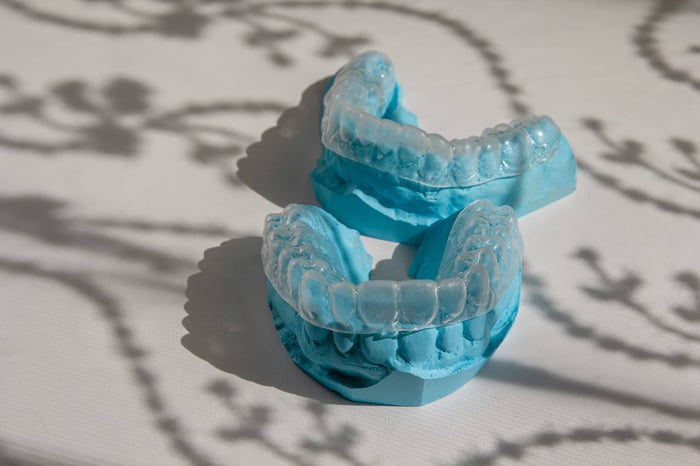
If you play contact sports, consider getting a custom mouthguard from your dentist. It’s one of the best ways to prevent dental injuries. A good mouthguard is a simple investment that can save you a world of pain.
It also helps to keep a small dental emergency kit at home. Stock it with gauze, a container with a lid, over-the-counter pain relievers, and your emergency dental contacts. It’s a little thing, but it can save you when life throws a curveball at your teeth.
Why Long-Term Oral Health Still Matters After Fast Relief
Fast relief during a dental emergency feels crucial, but it’s not the whole story. True tooth preservation and lasting oral health really come from steady, ongoing care—not just handling crises as they pop up.
After you get through an emergency, your dentist might suggest restorative work like a permanent crown, root canal, or dental implant to bring your tooth back to full strength. If you stick with these recommendations, you’ll protect your smile and help keep that tooth from causing trouble again.
Staying on top of routine visits, caring for small problems early, and keeping up with consistent care are the best ways to dodge future dental emergencies.
Be Ready When Dental Emergencies Happen
Knowing how to prepare for an emergency dentist visit can make a stressful situation feel more manageable. Taking the right steps early helps protect your teeth and reduces the risk of complications.
At Care Dental Center, patients receive clear, supportive care designed to ease discomfort and guide them through urgent situations. With the right preparation, you can approach unexpected dental issues with confidence.
If you’re unsure about your symptoms or need immediate care, don’t wait. Contact your dental provider today to get the help you need and protect your smile.
Frequently Asked Questions
What counts as a dental emergency?
A dental emergency includes severe pain, swelling, bleeding, or a knocked-out tooth. These situations need prompt attention. Acting quickly can help save your tooth.
Can I wait before seeing an emergency dentist?
Some minor issues may wait a short time, but it’s best to call your dentist first. They can guide you on urgency. Delaying care can sometimes worsen the problem.
What should I do if I knock out a tooth?
Hold the tooth by the crown and keep it moist in milk or saliva. Try to get to a dentist within an hour. Quick action improves the chance of saving the tooth.
How can I reduce pain before my appointment?
You can take over-the-counter pain relief and apply a cold compress. Avoid putting substances directly on your gums. Follow safe home care steps until your visit.
What happens during an emergency dental visit?
The dentist will assess your condition, relieve pain, and provide immediate treatment. Temporary or permanent solutions may be used. A follow-up visit is often scheduled if needed.