The benefits of All-on-4 implants for full-arch tooth replacement can make a meaningful difference if you’re dealing with missing or failing teeth. This approach provides a stable, long-term solution that restores both function and appearance.
At Care Dental Center, patients receive personalized guidance to understand how All-on-4 treatment fits their needs. The focus is on comfort, clarity, and helping you feel confident about each step of your smile transformation.
In this guide, you’ll learn how All-on-4 implants work, what benefits patients notice first, and how they compare to other options. You’ll also discover what to expect during treatment and how to maintain long-term results.
A More Secure Alternative to Removable Teeth
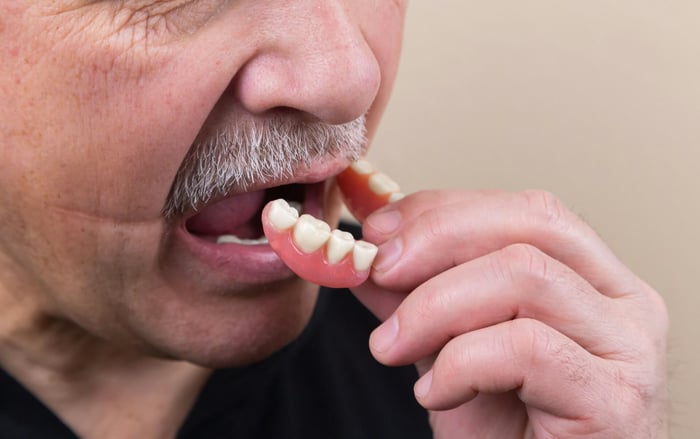
Traditional dentures just sit on your gums, relying on suction or sticky adhesives to stay put. They have a habit of shifting when you eat, loosening over time, and you need to take them out every day to clean them.
All-on-4 dental implants, though, anchor directly into your jawbone. The teeth stay put—no sliding around.
This stability really stands out. You don’t have to worry about your teeth slipping in the middle of a meal or while you’re talking. The fixed bridge just becomes part of your daily routine.
Why Stability Makes A Daily Difference
All-on-4 implants offer a level of stability that traditional dentures cannot match. According to the American Dental Association (ADA), implant-supported restorations help improve function by anchoring directly into the jawbone. This reduces movement and allows for more reliable chewing and speaking.
Stable teeth also improve daily comfort and confidence. According to Mayo Clinic, secure dental restorations can enhance quality of life by supporting natural function and reducing irritation caused by shifting appliances. This makes All-on-4 a preferred option for many patients.
How Fixed Full-Arch Restorations Improve Daily Comfort
A fixed full-arch prosthesis sits securely in your mouth, always there, just like your own teeth. There’s no bulky plastic covering the roof of your mouth, which is something many denture-wearers complain about.
That extra comfort changes everything—from how food tastes to how relaxed you feel with friends. Many people say that life with a fixed implant-supported bridge just feels more normal and less intrusive.
Why Chewing and Speaking Often Feel More Natural
Removable dentures cut down your chewing power a lot compared to real teeth. An implant-supported bridge brings back most of that function because the force from chewing travels through the implants right into your bone, as natural tooth roots would.
Speaking gets easier, too. Loose dentures can mess with how you pronounce certain sounds. A fixed prosthesis stays in place and supports clearer, more natural speech.
How Four Implants Support a Whole Arch So Effectively
The magic behind All-on-4 is all about engineering. This method supports a full arch of prosthetic teeth using just four titanium implants. Smart placement and the body’s own healing process both help make this a lasting solution.
Strategic Implant Angles and Force Distribution
Two implants go in vertically at the front of your arch, while two more are angled toward the back. Placing them at an angle lets them reach denser bone, even when bone loss has already happened.
This angled setup spreads out the chewing force over a larger area of your jaw. That way, no single implant takes all the strain, and the whole bridge stays stable.
Why Titanium Implants Matter for Long-Term Stability
Dentists use titanium implants because the body accepts titanium really well. After implant surgery, the bone starts growing right around the implant. This process, called osseointegration, makes the implant part of your jaw.
Once the bone bonds to the implant, it creates a strong anchor. That’s what makes implant-supported restorations so much sturdier than surface-level options like dentures. The bone integration gives you a foundation that can last for years—if you take care of it.
Where All-on-4 Fits Alongside All-on-6 and Conventional Implants
All-on-4 uses four implants per arch. All-on-6, as you’d guess, uses six. Some people with more bone might do better with All-on-6 or even conventional implants, which use one implant for each missing tooth.
All-on-4 works well for those who want to replace missing teeth efficiently, especially if bone volume is limited. A dentist will always check your bone density and oral health before suggesting the best route for you.
The Advantages Patients Notice First
People usually notice the immediate benefits of All-on-4 implants right away—same-day teeth, a boost in confidence, and less need for bone grafting. Bone preservation also stands out for many dealing with tooth loss.
Immediate Function and Same-Day Temporary Teeth
One of the best parts of the All-on-4 procedure is leaving with a temporary fixed bridge on the day of surgery.
You don’t walk out with an empty mouth—you get a full set of working teeth. This means you can eat soft foods and talk normally almost immediately. No months-long wait before you can use your new teeth. Getting back to your routine quickly is a huge plus.
Fewer Grafting Needs for Some Patients With Bone Loss
Before conventional implants, bone grafting is sometimes a must because there’s not enough bone for vertical placement. The angled design of All-on-4 often lets you skip that step, working around areas where bone has shrunk.
It’s not a guarantee you’ll avoid bone grafting, but many people do. Fewer procedures mean less time recovering and a simpler treatment plan overall.
Confidence, Facial Support, and Everyday Quality of Life
Losing teeth for a long time causes your jawbone to shrink, changing your face’s shape. Implants help preserve bone and support your facial structure in ways dentures just can’t.
People often notice they look and feel better. A stable, natural-looking smile lets you eat what you want, laugh freely, and just enjoy life more.
Who Tends to Be a Good Fit for This Treatment
All-on-4 is usually for adults dealing with major tooth loss, failing teeth, or frustration with old-school dentures. Bone levels, gum health, and certain habits all play a part in whether this treatment is right for you.
When Extensive Tooth Loss or Failing Teeth Point to Full-Arch Care
If you’re missing most of your teeth or need to remove them because of decay or gum disease, a full-arch restoration may make more sense than fixing one tooth at a time. All-on-4 is designed for people who are missing all—or nearly all—of their teeth.
People who’ve worn dentures for years and want something more stable also tend to be good candidates. The goal is to get teeth that work and feel more like the real thing.
How Bone Levels, Gum Health, and Habits Affect Candidacy
You need enough bone, even though All-on-4 can work with less than traditional implants. If you’ve lost a lot of bone, you might still need grafting before getting implants.
Gum disease has to be treated first. An active gum infection can mess with how implants bond to the bone. Habits like grinding your teeth (bruxism) also matter, since grinding puts extra stress on implants and bridges.
When a Personalized Evaluation Matters Most
No checklist can replace a real conversation with a dentist who looks at your bone structure, health history, and what you want. Sometimes, people who don’t seem like good candidates at first can become eligible after treating gum disease or improving their health.
A personalized evaluation gives you a clear idea of what your treatment could look like.
What the Process Looks Like From Planning to Final Teeth
The All-on-4 process starts with careful planning. From 3D imaging to your final set of teeth, every step is set up to help things go smoothly.
Digital Scans, 3D Imaging, and Surgical Planning
Cone beam CT scans create detailed 3D pictures of your jaw, bone, and nerves. Dentists use this info to map out exactly where each implant will go before surgery.
They often make a surgical guide from this data to make implant placement precise. This level of planning cuts down on guesswork and helps the actual surgery run more efficiently.
What Happens on Surgery Day
On surgery day, local anesthesia keeps you comfortable. Some people get IV sedation or general anesthesia, depending on their needs and the dentist’s advice.
The team removes any failing teeth, places the implants, and attaches a temporary fixed bridge—all in one appointment. Everything’s coordinated, so you leave with teeth you can use right away.
Healing, Temporary Teeth, and the Final Prosthesis
Healing after implant surgery usually takes a few months. During this time, your bone bonds to the titanium implants. It’s a process you can’t rush.
Your temporary bridge stays in place as you heal, so you can eat and talk while your implants settle in. Once healing’s done, your final prosthesis—often a strong zirconia bridge—is custom-made and attached. The final teeth are built to look natural and fit comfortably.
Long-Term Care, Risks, and How to Protect Your Investment
If you want your All-on-4 implants to last, you’ll need to stick to good oral hygiene and regular check-ups. Knowing which cleaning tools to use and which risks to watch for will help you keep your results.
Daily Cleaning Tools That Help Around a Fixed Bridge
Cleaning under and around a fixed bridge takes more than a regular toothbrush. You’ll need a few extra tools to do it right.
Try these:
Floss threaders help you get floss beneath the bridge
Interdental brushes clean between implants and near the gums
Water flossers flush out food and bacteria from tight spots
Soft-bristle toothbrush for the prosthetic teeth themselves
Use them daily to keep the gum tissue around your implants healthy.
Common Complications and Why Follow-Up Matters
Peri-implantitis, an infection around the implant, pops up sometimes with implant-supported bridges. It happens when bacteria build up and is much easier to treat if caught early.
Regular check-ups let your dental team keep an eye on your gums and implants. Missing appointments means problems might go unnoticed until they’re harder to fix.
How Night Guards and Checkups Support Long-Term Success
If you grind your teeth, wearing a night guard protects your implants and the zirconia bridge from unnecessary stress. Ignoring bruxism is one of the most preventable reasons for premature wear.
Pair a night guard with regular check-ups, and you’ll give your investment a much better shot at lasting for years.
Cost, Value, and Questions to Ask Before You Decide
All-on-4 costs vary depending on several factors. Knowing what shapes the price helps you talk honestly with your dentist. Comparing All-on-4 to other options often looks different when you factor in long-term value—not just the upfront bill.
What Shapes the Total Price per Arch
Here’s a quick look at what affects All-on-4 pricing:
Factor | How It Affects Cost |
Number of arches treated | One arch costs less than both the upper and lower |
Extractions needed | Removing more teeth adds to the total |
Need for bone grafting | Bone grafting before surgery increases the cost |
Sedation type | IV sedation or general anesthesia adds fees |
Geographic location | Local market rates vary by region |
How Materials and Complexity Influence Cost
The kind of final prosthesis matters. Zirconia bridges last longer and look better than acrylic, but usually cost more. The complexity of your treatment plan, including how much prep your jaw needs before implant placement, shapes the total price too.
Implant dentistry takes skilled surgical work, high-quality materials, and several appointments. The cost reflects the level of care and expertise involved.
Comparing Upfront Expense With Long-Term Practical Value
Traditional dentures usually cost less at first, but you’ll have to replace them over time and keep buying adhesives. They don’t stop bone loss, either, which can cause more dental problems as the years go by.
All-on-4 full mouth restoration asks for a bigger initial investment. Still, a lot of people find the stability, comfort, and bone support worth it compared to years of denture fixes and replacements.
If you’re unsure, talk with a dentist about your situation—they can help you sort out your choices without any pressure.
A Stronger, More Confident Smile Starts Here
Benefits of All-on-4 implants for full-arch tooth replacement go beyond appearance—they support comfort, function, and long-term oral health. With a stable, natural-feeling solution, many patients experience a noticeable improvement in daily life.
At Care Dental Center, every step of the process is designed to help you feel informed, supported, and confident in your decision. From planning to aftercare, the goal is to create lasting results that fit your lifestyle.
If you’re ready to explore a more secure and comfortable solution for missing teeth, schedule your consultation today. A personalized plan can help you take the next step toward a healthier, more confident smile.
Frequently Asked Questions
How long do All-on-4 implants last?
All-on-4 implants can last many years with proper care. The implants themselves may last decades, while the prosthetic teeth may need replacement over time. Regular checkups help maintain their condition.
Are All-on-4 implants better than dentures?
All-on-4 implants provide more stability than removable dentures. They stay fixed in place and allow better chewing and speaking. Many patients find them more comfortable and natural.
Is the All-on-4 procedure painful?
The procedure is typically performed with anesthesia to keep you comfortable. Some soreness may occur after surgery, but it is usually manageable. Your dentist will guide you on recovery care.
Who is a good candidate for All-on-4 implants?
Candidates usually include adults with significant tooth loss or failing teeth. Adequate bone support and healthy gums are important. A dental evaluation will determine if this option is right for you.
How do I care for All-on-4 implants?
Care includes daily brushing, cleaning under the bridge, and regular dental visits. Special tools like water flossers may be recommended. Consistent care helps ensure long-term success.